By using this site, you agree to the Privacy Policy and Terms of Use.
Accept
GMJ NewsGMJ NewsGMJ News
  • Latest News
    • GMJ Briefs
  • Podcast & Media
    • Podcast Episodes
    • GMJ Audio
    • GMJ Videos
  • Research Digest
    • New Studies
    • Georgian Research
    • Data & Numbers
  • Policy & Systems
    • Health Policy
    • Quality & Safety
    • Migration & Health
    • Global Health
  • Practice
    • Clinical Updates
    • Case Discussions
    • Pharmacy & Prescribing
    • Ingredients A-Z
  • Perspectives
    • Editorial
    • Explainers
    • Voices
    • Letters
  • GMJ Articles
    • Vol. 1 Issue 2 (2026)
    • Vol. 1 Issue 1 (2026)
    • Pre-Launch Articles (2025)
  • Read the Journal →
  • About GMJ News
Notification Show More
Font ResizerAa
GMJ NewsGMJ News
Font ResizerAa
  • Latest News
    • GMJ Briefs
  • Podcast & Media
    • Podcast Episodes
    • GMJ Audio
    • GMJ Videos
  • Research Digest
    • New Studies
    • Georgian Research
    • Data & Numbers
  • Policy & Systems
    • Health Policy
    • Quality & Safety
    • Migration & Health
    • Global Health
  • Practice
    • Clinical Updates
    • Case Discussions
    • Pharmacy & Prescribing
    • Ingredients A-Z
  • Perspectives
    • Editorial
    • Explainers
    • Voices
    • Letters
  • GMJ Articles
    • Vol. 1 Issue 2 (2026)
    • Vol. 1 Issue 1 (2026)
    • Pre-Launch Articles (2025)
  • Read the Journal →
  • About GMJ News
Follow US
GMJ News > Policy & Systems > Global Health > Yemen Food Crisis: 11.2 Million Face Acute Hunger as International Aid Funding Cuts Continue
Global HealthPolicy & Systems

Yemen Food Crisis: 11.2 Million Face Acute Hunger as International Aid Funding Cuts Continue

GMJ
Last updated: 09/06/2026 12:07
By
GMJ Policy Desk
Share
6 Min Read
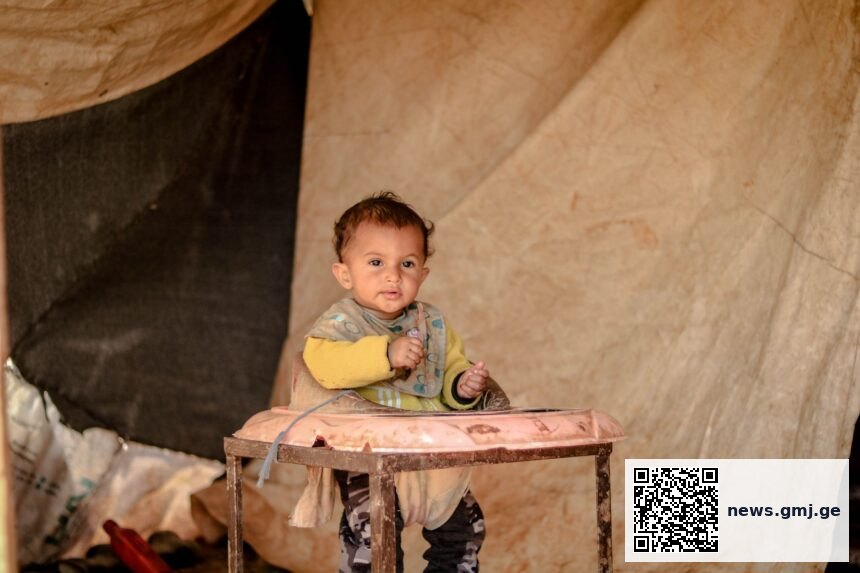
Children receiving nutrition assistance at a Yemen healthcare facility
Nearly 11.2 million Yemenis face severe acute food insecurity as international humanitarian funding drops 60% below 2025 levels. Child malnutrition rates exceed WHO emergency thresholds in 12 governorates, threatening generational health impacts. — Photo: Ahmed akacha / Pexels
SHARE
4 min read|742 words
✓ Reviewed by Prof. Giorgi Pkhakadze, MD, MPH, PhD · ORCID 0000-0001-7609-4515

Nearly half of Yemen’s population in government-controlled areas—11.2 million people—are experiencing severe acute food insecurity, according to the latest Integrated Food Security Phase Classification (IPC) analysis released in June 2026. The crisis threatens to worsen dramatically as international funding cuts leave humanitarian organizations unable to maintain critical nutrition and healthcare programs.

Contents
    • Key takeaways
      • Yemen Food Insecurity by Severity Level
  • Funding Shortfalls Drive Healthcare System Collapse
  • Child Malnutrition Rates Exceed Emergency Thresholds
  • Economic Drivers Compound Health Crisis
    • What this means
  • Frequently asked questions
    • What is acute food insecurity in Yemen?
    • Why has international funding for Yemen decreased?
    • How does malnutrition affect long-term health outcomes?

Key takeaways

  • 11.2 million people in government-controlled Yemen face acute food insecurity (IPC Phase 3+)
  • International humanitarian funding has decreased by 60% compared to 2025 peak levels
  • Severe acute malnutrition rates among children under 5 exceed WHO emergency thresholds in 12 governorates
11.2 million
Yemenis facing acute food insecurity in government-controlled areas

Yemen Food Insecurity by Severity Level

Population in millions facing different phases of acute food insecurity, 2026

IPC Phase 2 (Stressed)
7.3m
IPC Phase 3 (Crisis)
6.2m
IPC Phase 4 (Emergency)
5.0m

Source: IPC Analysis, June 2026 | Georgian Medical Journal News

Funding Shortfalls Drive Healthcare System Collapse

The UN Office for the Coordination of Humanitarian Affairs (OCHA) reports that Yemen’s 2026 Humanitarian Response Plan has received only 28% of its $4.3 billion funding requirement as of June 2026. This represents a 60% decrease from peak funding levels achieved in 2025, forcing the closure of 127 health facilities and suspension of nutrition programs serving 2.8 million children.

Submit Your Paper
GMJ_Submit_Banner

Dr. Altaf Musani, WHO Representative for Yemen, stated in the June 2026 situation report that “the combination of prolonged conflict, economic collapse, and reduced international support has created a perfect storm for public health disaster.” The Global Health crisis extends beyond immediate hunger to encompass widespread disease outbreaks and maternal mortality increases.

🎙️ Related Podcast Episodes
🎧 #24 | WHO Releases Updated Health Inequality Data Repository and Equity Toolkit · 21m
🎧 #17 | WHO: Global Population Requiring Trachoma Interventions Falls Below 100 Million · 16m
🎧 #9 Leprosy in 2026: Bridging Medical Cure and Social Inclusion – WHO World Leprosy Day Message · 18m
🎧 #22 | WHO Global School on Refugee and Migrant Health: From Policy to Action · 20m
🎧 #21 | WHO Issues New Guidance on Novel Snakebite Treatments · 14m

Child Malnutrition Rates Exceed Emergency Thresholds

According to the UNICEF Yemen Crisis Response, severe acute malnutrition (SAM) rates among children under five have surpassed the WHO emergency threshold of 2% in 12 of Yemen’s 22 governorates. The worst-affected areas include Hajjah (4.7%), Al Hudaydah (4.2%), and Taizz (3.8%), where therapeutic feeding programs have been reduced by 45% due to funding constraints.

The Integrated Food Security Phase Classification analysis indicates that 2.2 million children under five and 1.3 million pregnant and lactating women require acute malnutrition treatment. However, only 38% of required therapeutic nutrition supplies have been secured for the remainder of 2026, according to the latest humanitarian data.

Economic Drivers Compound Health Crisis

Yemen’s currency has depreciated by 23% against the US dollar since January 2026, while basic food commodity prices have increased by an average of 35%, according to the World Food Programme’s market monitoring system. The economic deterioration has rendered essential medicines and medical supplies increasingly unaffordable for both healthcare facilities and individual families.

The ReliefWeb humanitarian platform documents that 75% of Yemen’s population now requires some form of humanitarian assistance, with health and nutrition needs representing the most critical gaps. This situation creates cascading effects on maternal and child health outcomes, with potential long-term implications for cognitive development and disease susceptibility.

The current trajectory suggests that without immediate international intervention, Yemen could experience the world’s worst famine in modern history, affecting up to 16 million people by early 2027

— Martin Griffiths, UN Under-Secretary-General for Humanitarian Affairs (OCHA Briefing, June 2026)

What this means

For patients: Limited access to basic healthcare, increased risk of preventable diseases, and urgent need for international medical assistance programs
For clinicians: Severe shortage of medical supplies and equipment requires prioritization protocols and alternative treatment strategies for managing malnutrition
For policymakers: Immediate increase in humanitarian funding and diplomatic efforts to ensure safe access for medical aid organizations are essential

Frequently asked questions

What is acute food insecurity in Yemen?

Acute food insecurity refers to immediate threats to people’s lives or livelihoods due to inability to consume adequate food. In Yemen, this affects 11.2 million people who cannot meet basic food needs without external assistance.

Why has international funding for Yemen decreased?

Donor fatigue after years of conflict, competing global crises, and limited progress in peace negotiations have contributed to reduced international support. The 2026 funding gap represents a 60% decrease from 2025 levels.

How does malnutrition affect long-term health outcomes?

Severe acute malnutrition in children under five causes irreversible cognitive damage, stunted growth, and increased susceptibility to infectious diseases. These effects persist throughout life, affecting educational attainment and economic productivity.

The international community faces a critical window for preventing Yemen’s humanitarian crisis from escalating into an unprecedented famine. Without sustained funding increases and diplomatic solutions to ensure aid access, the health consequences will extend far beyond immediate malnutrition to encompass generational impacts on child development and population health. The IPC analysis serves as both an urgent warning and a roadmap for targeted intervention strategies that could still prevent the worst-case scenario projected for early 2027.

Source: Yemen: Hunger crisis deepens as funding cuts leave millions without support

Was this article helpful?

Disclaimer. This article is health journalism intended for general information and education. It is not medical advice and is not a substitute for professional diagnosis or treatment. Always consult a qualified healthcare provider about your individual circumstances. Full disclaimer →

Related Coverage

WHO: Unsafe Food Causes 866 Million Illnesses Annually, Children Face Triple RiskJun 11, 2026
WHO Malawi Report Shows 78% Reduction in Malaria Deaths Despite Health System ChallengesJun 10, 2026
Botswana Becomes First Country to Achieve WHO Gold Tier Status for Eliminating Mother-to-Child HIV TransmissionJun 10, 2026
FDA's Pazdur Calls for Agency Restructuring Amid China Competition and Internal UpheavalJun 9, 2026
PG
Written by
Prof. Giorgi Pkhakadze, MD, MPH, PhD
Editor-in-Chief, GMJ News
Full profile →
Medical disclaimer. This article is health journalism intended for general information. It is not medical advice and is not a substitute for consultation with a qualified healthcare professional. Always seek your physician's advice regarding any medical condition.
Medically reviewed by Prof. Giorgi Pkhakadze, MD, MPH, PhD. Spotted an error? Contact the editorial team.

Get the GMJ News digest
Evidence-based health journalism in your inbox. No spam; unsubscribe anytime.
TAGGED:child malnutritionfood insecurityhumanitarian crisisinternational aidYemen
Share This Article
Facebook LinkedIn Bluesky Copy Link Print
GMJ
ByGMJ Policy Desk
Follow:
GMJ Policy Desk is part of GMJ News, the newsroom of the Georgian Medical Journal (gmj.ge), published by the Public Health Institute of Georgia. Every article is editorially reviewed before publication.
Leave a Comment Leave a Comment

Leave a Reply Cancel reply

Your email address will not be published. Required fields are marked *

Submit Your Paper →

Georgia's peer-reviewed open-access medical journal. No APC until January 2027.
Submit Manuscript →
WHO: Unsafe Food Causes 866 Million Illnesses Annually, Children Face Triple Risk

New WHO data reveals children under 5 face triple the risk of…

Two Weather Patterns Linked to Increased Headache Risk in New Study

University of Cincinnati researchers, collaborating with Mount Sinai, Errex Inc., and Teva…

Cancer’s Stealth Strategy Backfires, Creating New Therapeutic Target

Groundbreaking research reveals that cancer cells' common strategy to evade immune detection…

Submit Your Paper to GMJ

No APC until January 2027.
Submit Manuscript →

You Might Also Like

Medical tourism safety warning with CDC logo and surgical complications infographic
Policy & SystemsQuality & Safety

CDC Reports Severe Complications from Medical Tourism Cosmetic Procedures

By
GMJ Policy Desk
03/06/2026
Global HealthPolicy & Systems

UN Aviation Agency Urges Airlines to Maintain COVID-Era Safety Protocols Amid DRC Ebola Outbreak

By
GMJ Policy Desk
27/05/2026
Healthcare professionals discussing patient care in hospital setting showing human connection
Policy & SystemsQuality & Safety

Healthcare Systems Must Prioritize Human Connection to Combat Employee Burnout Crisis

By
GMJ Policy Desk
25/05/2026
Medical students and residents in diverse healthcare training environment
Health PolicyPolicy & Systems

Medical School Diversity Gains Not Translating to Diverse Physician Workforce

By
GMJ Policy Desk
01/06/2026
Facebook Twitter Youtube Instagram
Company
  • Privacy Policy
  • Contact US
  • GMJ Journal
  • Submit Manuscript
  • Editorial Team
  • Register at GMJ
  • Terms of Use

Subscribe to GMJ News — Click here

Join Community
© 2026 Georgian Medical Journal (GMJ). Published by the Public Health Institute of Georgia (PHIG). All rights reserved.
Welcome Back!

Sign in to your account

Username or Email Address
Password

Lost your password?

Not a member? Sign Up