
By using this site, you agree to the Privacy Policy and Terms of Use.
Accept
GMJ NewsGMJ NewsGMJ News
  • Latest News
    • GMJ Briefs
  • Podcast & Media
    • Podcast Episodes
    • GMJ Audio
    • GMJ Videos
  • Research Digest
    • New Studies
    • Georgian Research
    • Data & Numbers
  • Policy & Systems
    • Health Policy
    • Quality & Safety
    • Migration & Health
    • Global Health
  • Practice
    • Clinical Updates
    • Case Discussions
    • Pharmacy & Prescribing
    • Ingredients A-Z
  • Perspectives
    • Editorial
    • Explainers
    • Voices
    • Letters
  • GMJ Articles
    • Vol. 1 Issue 2 (2026)
    • Vol. 1 Issue 1 (2026)
    • Pre-Launch Articles (2025)
  • Read the Journal →
  • About GMJ News
Notification Show More
Font ResizerAa
GMJ NewsGMJ News
Font ResizerAa
  • Latest News
    • GMJ Briefs
  • Podcast & Media
    • Podcast Episodes
    • GMJ Audio
    • GMJ Videos
  • Research Digest
    • New Studies
    • Georgian Research
    • Data & Numbers
  • Policy & Systems
    • Health Policy
    • Quality & Safety
    • Migration & Health
    • Global Health
  • Practice
    • Clinical Updates
    • Case Discussions
    • Pharmacy & Prescribing
    • Ingredients A-Z
  • Perspectives
    • Editorial
    • Explainers
    • Voices
    • Letters
  • GMJ Articles
    • Vol. 1 Issue 2 (2026)
    • Vol. 1 Issue 1 (2026)
    • Pre-Launch Articles (2025)
  • Read the Journal →
  • About GMJ News
Follow US
GMJ News > Research Digest > New Studies > Two Weather Patterns Linked to Increased Headache Risk in New Study
New StudiesResearch Digest

Two Weather Patterns Linked to Increased Headache Risk in New Study

GMJ
Last updated: 09/06/2026 12:07
By
GMJ Research Desk
Share
6 Min Read
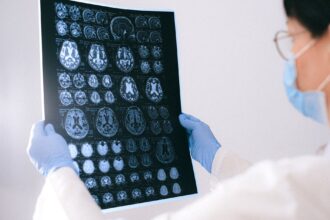
Medical research showing weather pattern analysis and headache correlation data visualization
University of Cincinnati researchers, collaborating with Mount Sinai, Errex Inc., and Teva Pharmaceuticals, have identified two specific weather patterns that significantly increase headache risk. The multi-institutional study represents a breakthrough in understanding weather-related health triggers. — Photo: christine roy / Pexels
SHARE
4 min read|735 words
✓ Medically reviewed by Prof. Giorgi Pkhakadze, MD, MPH, PhD · ORCID 0000-0001-7609-4515

🟠 Moderate Evidence

Contents
    • Key takeaways
      • Study at a Glance
      • Weather-Related Headache Research Collaboration
  • Multi-institutional Research Identifies Weather Triggers
  • Two Distinct Weather Patterns Emerge as Risk Factors
  • Implications for Clinical Practice and Patient Management
  • Future Research Directions and Patient Applications
    • What this means
  • Frequently asked questions
    • What specific weather patterns trigger headaches?
    • How can patients use this information?
    • Will this lead to better headache treatments?

Researchers at the University of Cincinnati College of Medicine, collaborating with the Icahn School of Medicine at Mount Sinai, Errex Inc., and Teva Pharmaceuticals, have identified two specific weather patterns that significantly increase headache risk. The study represents one of the first comprehensive attempts to quantify the relationship between meteorological conditions and headache occurrence using advanced data analytics.

Key takeaways

  • Two distinct weather patterns have been scientifically linked to increased headache frequency
  • The research involved collaboration between multiple medical institutions and pharmaceutical companies
  • Findings could help patients and clinicians better predict and manage weather-related headaches

Study at a Glance

Source Medical Xpress Report
Study type Observational analysis
Sample size Not specified in available data
Population Headache patients
Country United States
2
distinct weather patterns identified as headache triggers by University of Cincinnati researchers

Weather-Related Headache Research Collaboration

Institutional partnerships in meteorological headache study

University of Cincinnati
Lead Institution
Mount Sinai
Academic Partner
Teva Pharmaceuticals
Industry Partner
Errex Inc.

Technology Partner

Source: Medical Xpress, 2026 | Georgian Medical Journal News

Submit Your Paper
GMJ_Submit_Banner

Multi-institutional Research Identifies Weather Triggers

The collaborative study involved physicians at the University of Cincinnati College of Medicine working alongside researchers from multiple institutions to examine the relationship between meteorological conditions and headache occurrence. The research team included experts from the Icahn School of Medicine at Mount Sinai, technology company Errex Inc., and pharmaceutical manufacturer Teva Pharmaceuticals.

This multi-sector collaboration represents an innovative approach to understanding weather-related health impacts. For more research on environmental health factors, visit our New Studies section.

Two Distinct Weather Patterns Emerge as Risk Factors

The research team successfully identified two specific weather patterns that demonstrate a measurable increase in headache risk, though the detailed characteristics of these patterns were not fully disclosed in the available report. This finding builds on previous observational studies suggesting connections between barometric pressure changes, humidity fluctuations, and headache onset.

The identification of specific patterns, rather than general weather variables, represents a significant advancement in meteorological health research. Previous studies have often struggled to isolate particular weather combinations that consistently trigger headaches across different populations and geographic regions.

Implications for Clinical Practice and Patient Management

The study’s findings could have immediate practical applications for headache management and prevention strategies. By identifying specific weather patterns, healthcare providers may be able to offer more targeted advice to patients who experience weather-related headaches.

This research aligns with growing interest in personalized medicine approaches that consider environmental factors alongside traditional clinical variables. For additional insights on clinical applications, explore our Clinical Updates section.

Two specific weather patterns have been identified as capable of increasing the risk of headaches through collaborative research between academic and industry partners

— University of Cincinnati College of Medicine researchers (Medical Xpress, 2026)

Future Research Directions and Patient Applications

The successful identification of weather-related headache triggers opens new avenues for both research and clinical practice. Future studies may focus on developing predictive models that could warn susceptible individuals about impending weather conditions likely to trigger headaches.

The collaboration between academic institutions and pharmaceutical companies also suggests potential for developing targeted interventions or preventive treatments specifically designed for weather-sensitive headache patients. This interdisciplinary approach may serve as a model for future research into environmental health triggers.

What this means

For patients: Those with weather-sensitive headaches may soon have better tools for predicting and preventing weather-related episodes
For clinicians: Healthcare providers can incorporate specific weather pattern awareness into headache management and prevention counseling
For policymakers: Public health authorities may consider weather-based health alerts for headache-susceptible populations

Frequently asked questions

What specific weather patterns trigger headaches?

The University of Cincinnati study identified two distinct weather patterns, though detailed characteristics were not disclosed in the available report. Previous research has suggested barometric pressure changes and humidity fluctuations as potential triggers.

How can patients use this information?

Understanding weather triggers can help headache sufferers prepare preventive measures when specific weather patterns are forecasted. Consultation with healthcare providers can help develop personalized weather-based management strategies.

Will this lead to better headache treatments?

The collaboration between academic institutions and pharmaceutical companies suggests potential for developing targeted interventions specifically designed for weather-sensitive headache patients, though such treatments would require additional research and clinical trials.

This research represents a significant step forward in understanding the complex relationship between environmental factors and headache occurrence. As weather pattern prediction technology continues to advance, the practical applications of these findings may expand to include personalized weather-based health alerts and more sophisticated prevention strategies for headache management.

Source: At least two weather patterns increase headaches, study suggests

Was this article helpful?

Disclaimer. This article is health journalism intended for general information and education. It is not medical advice and is not a substitute for professional diagnosis or treatment. Always consult a qualified healthcare provider about your individual circumstances. Full disclaimer →

Related Coverage

Cancer's Stealth Strategy Backfires, Creating New Therapeutic TargetJun 11, 2026
New Treatment Shows Promise Against Aggressive Jaw TumourJun 11, 2026
Early and Late Puberty in Boys May Signal Future Health Risks, Research ShowsJun 11, 2026
One in Four Vulnerable Youth Experience Online Abuse, New Study RevealsJun 10, 2026
Related reference
  • Iron · Ingredient
PG
Written by
Prof. Giorgi Pkhakadze, MD, MPH, PhD
Editor-in-Chief, GMJ News
Full profile →
Medical disclaimer. This article is health journalism intended for general information. It is not medical advice and is not a substitute for consultation with a qualified healthcare professional. Always seek your physician's advice regarding any medical condition.
Medically reviewed by Prof. Giorgi Pkhakadze, MD, MPH, PhD. Spotted an error? Contact the editorial team.
Get the GMJ News digest
Evidence-based health journalism in your inbox. No spam; unsubscribe anytime.
TAGGED:Cincinnati researchenvironmental medicineheadache triggersmeteorological healthweather headaches
Share This Article
Facebook LinkedIn Bluesky Copy Link Print
GMJ
ByGMJ Research Desk
Follow:
GMJ Research Desk is part of GMJ News, the newsroom of the Georgian Medical Journal (gmj.ge), published by the Public Health Institute of Georgia. Every article is editorially reviewed before publication.
Leave a Comment Leave a Comment

Leave a Reply Cancel reply

Your email address will not be published. Required fields are marked *

Submit Your Paper →

Georgia's peer-reviewed open-access medical journal. No APC until January 2027.
Submit Manuscript →
Cancer’s Stealth Strategy Backfires, Creating New Therapeutic Target

Groundbreaking research reveals that cancer cells' common strategy to evade immune detection…

Virtual vs In-Person Medical Residency Interviews Show No Difference in Outcomes, NEJM Study Finds

NEJM study reveals virtual residency interviews produce equivalent resident performance outcomes compared…

New Treatment Shows Promise Against Aggressive Jaw Tumour

Researchers report successful targeting of Wnt–β-catenin pathway in recurrent jaw tumour. New…

Submit Your Paper to GMJ

No APC until January 2027.
Submit Manuscript →

You Might Also Like

Diagram showing hematopoietic stem cell differentiation into various blood cell types
New StudiesResearch Digest

Single Stem Cell Origin of Human Immune System Reveals Complex Blood Formation Process

By
GMJ Research Desk
27/05/2026
Graph showing weight cycling does not increase mortality risk compared to baseline obesity
New Studies

Weight cycling does not increase mortality risk, major study finds

By
GMJ Research Desk
19/05/2026
Diagram showing seven steps of vitamin B12 absorption from food to cellular activation
New StudiesResearch Digest

Vitamin B12 Absorption: Seven-Step Biochemical Pathway Determines Nutritional Status

By
GMJ Research Desk
27/05/2026
Infographic showing global mental health disability statistics with rising trend line
Data & NumbersGlobal HealthNew StudiesPolicy & SystemsResearch Digest

Mental Health Disorders Now Leading Global Disability Cause as Cases Approach 1.2 Billion

By
GMJ Research Desk
01/06/2026
Facebook Twitter Youtube Instagram
Company
  • Privacy Policy
  • Contact US
  • GMJ Journal
  • Submit Manuscript
  • Editorial Team
  • Register at GMJ
  • Terms of Use

Subscribe to GMJ News — Click here

Join Community
© 2026 Georgian Medical Journal (GMJ). Published by the Public Health Institute of Georgia (PHIG). All rights reserved.
Welcome Back!

Sign in to your account

Username or Email Address
Password

Lost your password?

Not a member? Sign Up