Updated 13/09/2026
🟢 Strong Evidence
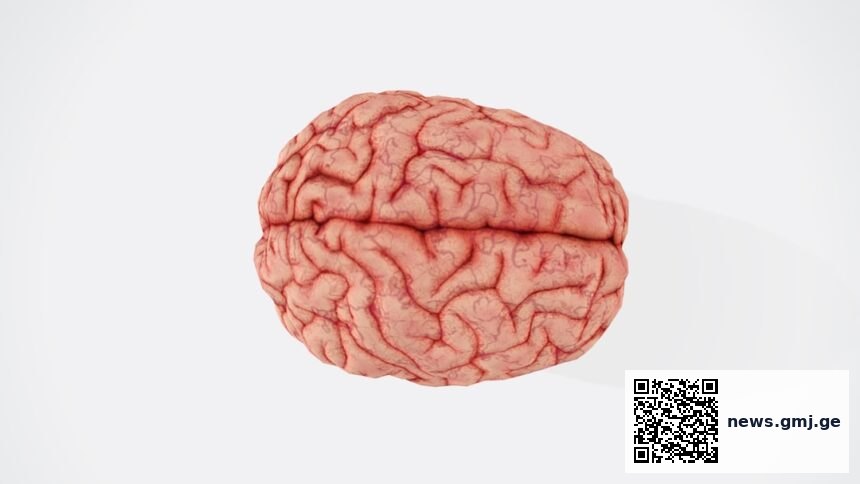
Microglia, the brain’s resident immune cells, undergo distinct cellular transitions that determine whether individuals develop dementia or maintain cognitive resilience despite accumulating Alzheimer’s disease pathology, according to new research published in Nature Medicine. The study reveals how these immune cells respond differently at the critical junction where amyloid-beta plaques and tau tangles intersect in the aging brain.
Key takeaways
- Microglia cellular transitions at the amyloid-tau intersection determine cognitive outcomes in aging
- Resilient individuals show protective microglial responses despite pathological protein accumulation
- Findings identify potential therapeutic targets for preventing dementia progression
Study at a Glance
| Source | Nature Medicine |
| Study type | Cross-sectional analysis |
| Sample size | Post-mortem brain tissue analysis |
| Population | Aging adults with varying cognitive outcomes |
| Country | United States |
Microglial Response Patterns in Brain Aging
Cellular transitions at the amyloid-tau inflection point

Source: Nature Medicine, 2026 | Georgian Medical Journal News
Microglial gatekeepers at the crossroads of brain aging
The research demonstrates that microglia act as cellular gatekeepers at the critical juncture where amyloid-beta plaques and tau tangles converge in the aging brain. According to the National Institute on Aging, this intersection represents a pivotal moment in Alzheimer’s disease progression where cognitive outcomes diverge dramatically.
These findings challenge the traditional view of neuroinflammation as uniformly harmful in dementia. Instead, the study reveals that microglial responses can be either protective or detrimental, depending on the specific cellular transitions they undergo. For related insights into brain aging mechanisms, see our coverage of emerging neuroscience research.
Divergent pathways to resilience and decline
The Nature Medicine study identifies two distinct microglial response patterns that emerge at the amyloid-tau inflection point. In cognitively resilient individuals, microglia adopt protective configurations that help maintain brain function despite pathological protein accumulation. Conversely, those who develop dementia show harmful microglial transitions that accelerate neurodegeneration.
This cellular divergence helps explain why some individuals maintain cognitive function well into advanced age despite significant Alzheimer’s pathology in their brains. The World Health Organization estimates that dementia affects over 55 million people globally, making understanding of resilience mechanisms critically important for public health.
Therapeutic implications for dementia prevention
The discovery of specific microglial transitions associated with cognitive resilience opens new avenues for therapeutic intervention. By targeting the cellular mechanisms that promote protective microglial responses, researchers may be able to prevent or delay dementia onset even in individuals with significant brain pathology.
Current dementia treatments focus primarily on managing symptoms rather than addressing underlying disease mechanisms. These findings suggest that interventions targeting microglial function could potentially shift the balance toward resilience pathways. For updates on clinical developments, explore our latest treatment advances.
Future directions in microglial research
The study establishes a framework for understanding how brain immune cells contribute to cognitive outcomes in aging. Future research will likely focus on identifying specific molecular targets within these microglial transition pathways and developing interventions to promote protective responses.
Understanding the temporal dynamics of these cellular changes will be crucial for determining optimal intervention windows. The research also raises important questions about individual variations in microglial responses and their relationship to genetic and environmental factors that influence dementia risk.
Microglia cellular transitions at the amyloid-beta and tau intersection determine whether individuals develop dementia or maintain cognitive resilience despite pathological protein accumulation
— Research team, Nature Medicine (2026)
What this means
Frequently asked questions
What are microglia and why are they important in brain aging?
Microglia are the brain’s resident immune cells that monitor and respond to threats. They play crucial roles in maintaining brain health and can either protect against or contribute to neurodegeneration depending on their activation state.
How do some people remain cognitively healthy despite brain pathology?
The research suggests that protective microglial responses at the intersection of amyloid and tau pathology can maintain cognitive function even when significant disease-related changes are present in the brain.
Could this lead to new dementia treatments?
The identification of specific microglial transition pathways provides potential therapeutic targets for developing interventions that promote brain resilience and prevent cognitive decline.
This research represents a significant advance in understanding the cellular mechanisms underlying cognitive resilience in aging. As the global population ages and dementia rates continue to rise, identifying ways to promote protective brain responses becomes increasingly important for maintaining cognitive health across the lifespan. The findings may ultimately contribute to a paradigm shift from treating dementia symptoms to preventing cognitive decline through targeted microglial interventions.
🗺️ Find certified Georgian healthcare providers: sheniekimi.ge — Georgia Health Map · 998 clinics · 6,600+ doctors · 2,296 pharmacies
Was this article helpful?
Disclaimer. This article is health journalism intended for general information and education. It is not medical advice and is not a substitute for professional diagnosis or treatment. Always consult a qualified healthcare provider about your individual circumstances. Full disclaimer →
Related Coverage


Editorial standards. This article was produced under the GMJ News editorial process, with oversight by the GMJ Editorial Board. Our editorial process. Spotted an error? Contact the editorial team.