By using this site, you agree to the Privacy Policy and Terms of Use.
Accept
GMJ NewsGMJ NewsGMJ News
  • Latest News
    • GMJ Briefs
  • Podcast & Media
    • Podcast Episodes
    • GMJ Audio
    • GMJ Videos
  • Research Digest
    • New Studies
    • Georgian Research
    • Data & Numbers
  • Policy & Systems
    • Health Policy
    • Quality & Safety
    • Migration & Health
    • Global Health
  • Practice
    • Clinical Updates
    • Case Discussions
    • Pharmacy & Prescribing
    • Ingredients A-Z
  • Perspectives
    • Editorial
    • Explainers
    • Voices
    • Letters
  • GMJ Articles
    • Vol. 1 Issue 2 (2026)
    • Vol. 1 Issue 1 (2026)
    • Pre-Launch Articles (2025)
  • Read the Journal →
  • About GMJ News
Notification Show More
Font ResizerAa
GMJ NewsGMJ News
Font ResizerAa
  • Latest News
    • GMJ Briefs
  • Podcast & Media
    • Podcast Episodes
    • GMJ Audio
    • GMJ Videos
  • Research Digest
    • New Studies
    • Georgian Research
    • Data & Numbers
  • Policy & Systems
    • Health Policy
    • Quality & Safety
    • Migration & Health
    • Global Health
  • Practice
    • Clinical Updates
    • Case Discussions
    • Pharmacy & Prescribing
    • Ingredients A-Z
  • Perspectives
    • Editorial
    • Explainers
    • Voices
    • Letters
  • GMJ Articles
    • Vol. 1 Issue 2 (2026)
    • Vol. 1 Issue 1 (2026)
    • Pre-Launch Articles (2025)
  • Read the Journal →
  • About GMJ News
Follow US
GMJ News > GMJ Briefs > Mapping the Brain’s Anxiety Circuit: New Path to Targeted Treatments

Mapping the Brain’s Anxiety Circuit: New Path to Targeted Treatments

GMJ
Last updated: 15/06/2026 04:17
By
Prof. Giorgi Pkhakadze
Share
1 Min Read
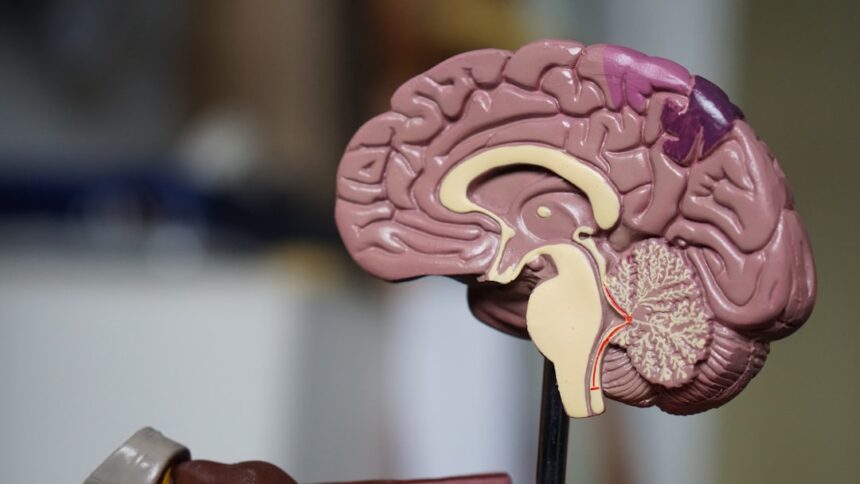
Scientific illustration of amygdala brain circuits involved in anxiety processing
Researchers successfully reversed anxiety in mice by targeting a specific group of amygdala neurons. The breakthrough identifies a promising new target for developing more precise anxiety treatments. — Photo: Robina Weermeijer / Pexels
SHARE
1 min read|128 words

Neuroscientists have identified a previously unknown population of neurons within the amygdala that directly control anxiety and social behavior, opening new avenues for precision medicine in psychiatric care. In experimental studies, researchers successfully reversed anxiety symptoms and social deficits in mice by restoring normal activity patterns within this specific neural circuit.

The discovery represents a significant advance in understanding the neurobiological basis of anxiety disorders, which affect millions of people worldwide. By pinpointing the exact neurons responsible for anxiety responses, researchers have identified a potential therapeutic target that could lead to more effective treatments with improved side effect profiles compared to current pharmacological approaches.

This circuit-based understanding of anxiety may fundamentally reshape how clinicians approach anxiety disorder treatment in the future. Read the full article on GMJ Newsroom.

Was this article helpful?

GMJ Brief · Announcement

📰 Read the full article: Scientists Reverse Anxiety in Mice by Targeting Tiny Amygdala Circuit →

Share This Article
Facebook LinkedIn Bluesky Copy Link Print
GMJ
ByProf. Giorgi Pkhakadze
Follow:
Prof. Giorgi Pkhakadze, MD, MPH, PhD, is Editor-in-Chief of the Georgian Medical Journal and Chair of the Public Health Institute of Georgia (PHIG). He is Professor and Head of the Department of Social and Behavioural Sciences at David Tvildiani Medical University, and Secretary/Treasurer of the UEMS Section of Public Health. ORCID: 0000-0001-7609-4515.

Submit Your Paper →

Georgia's peer-reviewed open-access medical journal. No APC until January 2027.
Submit Manuscript →
Oxford Study Unravels Inflammatory Bowel Disease as Multiple Distinct Conditions

Oxford-led research reveals IBD comprises multiple distinct diseases with different mechanisms. Discovery…

Surgical Menopause Linked to Severe Urogenital Symptoms Compared to Natural Menopause

New research shows surgical menopause leads to more severe genitourinary symptoms than…

European Drug Pricing Pressures Rise as U.S. Policy Ripple Effects Spread Across Markets

European countries are adopting divergent pharmaceutical pricing policies, creating market complexity and…

Submit Your Paper to GMJ

No APC until January 2027.
Submit Manuscript →

You Might Also Like

PHEIC Declaration: Ebola Outbreak Cross-Border Transmission DRC-Uganda

By
Prof. Giorgi Pkhakadze
31/05/2026

PHEIC Declaration: Ebola Cross-Border Transmission DRC-Uganda

By
Prof. Giorgi Pkhakadze
31/05/2026
Illustration of AI chatbot interface with medical symbols and trust indicators

Pennsylvania Lawsuit Exposes Transparency Crisis in Medical AI Systems

By
Prof. Giorgi Pkhakadze
23/06/2026

PHEIC Declaration: Ebola Cross-Border Transmission DRC-Uganda

By
Prof. Giorgi Pkhakadze
31/05/2026
Facebook Twitter Youtube Instagram
Company
  • Privacy Policy
  • Contact US
  • GMJ Journal
  • Submit Manuscript
  • Editorial Team
  • Register at GMJ
  • Terms of Use

Subscribe to GMJ News — Click here

Join Community
© 2026 Georgian Medical Journal (GMJ). Published by the Public Health Institute of Georgia (PHIG). All rights reserved.
Welcome Back!

Sign in to your account

Username or Email Address
Password

Lost your password?

Not a member? Sign Up