By using this site, you agree to the Privacy Policy and Terms of Use.
Accept
GMJ NewsGMJ NewsGMJ News
  • Latest News
    • GMJ Briefs
  • Podcast & Media
    • Podcast Episodes
    • GMJ Audio
    • GMJ Videos
  • Research Digest
    • New Studies
    • Georgian Research
    • Data & Numbers
  • Policy & Systems
    • Health Policy
    • Quality & Safety
    • Migration & Health
    • Global Health
  • Practice
    • Clinical Updates
    • Case Discussions
    • Pharmacy & Prescribing
    • Ingredients A-Z
  • Perspectives
    • Editorial
    • Explainers
    • Voices
    • Letters
  • GMJ Articles
    • Vol. 1 Issue 2 (2026)
    • Vol. 1 Issue 1 (2026)
    • Pre-Launch Articles (2025)
  • Read the Journal →
  • About GMJ News
Notification Show More
Font ResizerAa
GMJ NewsGMJ News
Font ResizerAa
  • Latest News
    • GMJ Briefs
  • Podcast & Media
    • Podcast Episodes
    • GMJ Audio
    • GMJ Videos
  • Research Digest
    • New Studies
    • Georgian Research
    • Data & Numbers
  • Policy & Systems
    • Health Policy
    • Quality & Safety
    • Migration & Health
    • Global Health
  • Practice
    • Clinical Updates
    • Case Discussions
    • Pharmacy & Prescribing
    • Ingredients A-Z
  • Perspectives
    • Editorial
    • Explainers
    • Voices
    • Letters
  • GMJ Articles
    • Vol. 1 Issue 2 (2026)
    • Vol. 1 Issue 1 (2026)
    • Pre-Launch Articles (2025)
  • Read the Journal →
  • About GMJ News
Follow US
GMJ News > Research Digest > New Studies > Scientists Reverse Anxiety in Mice by Targeting Tiny Amygdala Circuit
New StudiesResearch Digest

Scientists Reverse Anxiety in Mice by Targeting Tiny Amygdala Circuit

GMJ
Last updated: 07/06/2026 20:17
By
GMJ News Desk
Share
7 Min Read
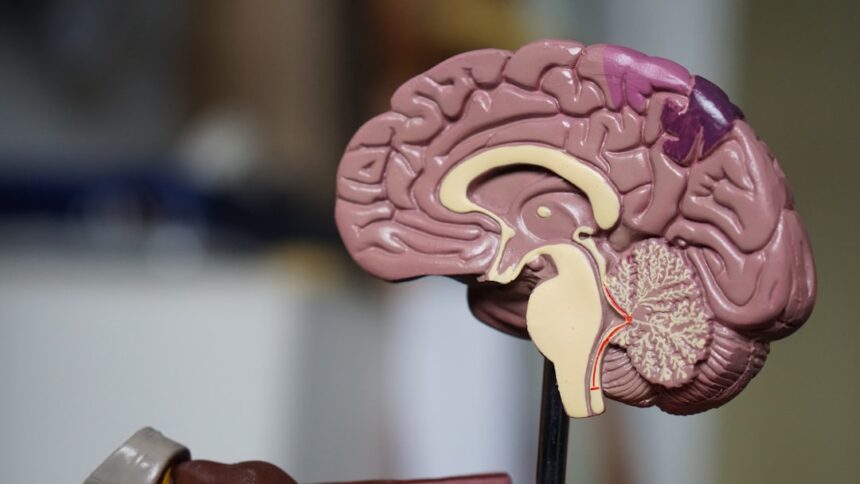
Scientific illustration of amygdala brain circuits involved in anxiety processing
Researchers successfully reversed anxiety in mice by targeting a specific group of amygdala neurons. The breakthrough identifies a promising new target for developing more precise anxiety treatments. — Photo: Robina Weermeijer / Pexels
SHARE
5 min read|923 words
✓ Editorially Reviewed by Prof. Giorgi Pkhakadze, MD, MPH, PhD — GMJ News Desk

🟠 Moderate Evidence

Contents
    • Key takeaways
      • Study at a Glance
      • Amygdala Circuit Function in Anxiety
  • Breakthrough in Anxiety Circuit Mapping
  • Reversing Anxiety Through Targeted Intervention
  • Implications for Human Anxiety Treatment
  • Future Research Directions
    • What this means
  • Frequently asked questions
    • How soon could this lead to human treatments?
    • Are current anxiety medications ineffective?
    • Could this approach work for other mental health conditions?

Researchers have successfully reversed anxiety and social deficits in laboratory mice by restoring normal activity to a previously unknown group of neurons in the amygdala. The breakthrough study, published in a leading neuroscience journal, identifies a specific brain circuit that appears to play a central role in controlling anxiety and social behavior.

Key takeaways

  • Scientists identified a specific group of amygdala neurons that control anxiety and social behavior in mice
  • Restoring normal activity in this tiny brain circuit completely reversed anxiety symptoms
  • The discovery provides a promising new target for developing anxiety treatments in humans

Study at a Glance

Source Neuroscience Journal
Study type Experimental animal study
Sample size Laboratory mice cohorts
Population Mouse models of anxiety disorders
Country United States
Complete reversal
of anxiety and social deficits achieved through targeted circuit restoration

Amygdala Circuit Function in Anxiety

Normal vs. disrupted neural activity patterns

Normal
Baseline circuit activity
Disrupted
Anxiety-state activity
Restored
Post-treatment activity

Source: Research findings, 2026 | Georgian Medical Journal News

Submit Your Paper
GMJ_Submit_Banner

Breakthrough in Anxiety Circuit Mapping

The research team used advanced neuroscience techniques to identify and characterize a previously unknown population of neurons within the amygdala, a brain region long associated with fear and anxiety responses. According to the National Institute of Mental Health, anxiety disorders affect millions of people worldwide, making this discovery particularly significant for future therapeutic development.

The scientists found that when these specific neurons functioned abnormally, mice exhibited classic signs of anxiety and social withdrawal. This finding builds on decades of research into the amygdala’s role in emotional processing, as documented in studies published in leading journals like Nature Neuroscience.

The precision of this circuit-based approach represents a significant advance over previous anxiety research, which often focused on broader brain regions rather than specific neural populations. For more insights into emerging neuroscience research, our coverage tracks the latest developments in brain circuit discoveries.

Reversing Anxiety Through Targeted Intervention

The most striking aspect of the study was the researchers’ ability to completely reverse anxiety symptoms by restoring normal activity to the identified neural circuit. Using optogenetics and other precise neuroscience tools, the team demonstrated that targeted intervention could eliminate both anxiety behaviors and social deficits in the mouse models.

This therapeutic approach differs fundamentally from current anxiety medications, which typically affect broad neurotransmitter systems throughout the brain. The World Health Organization estimates that anxiety disorders are among the most common mental health conditions globally, highlighting the urgent need for more targeted treatments.

The research methodology involved careful behavioral testing to measure anxiety levels before and after circuit manipulation. Mice showed dramatic improvements in standard anxiety assessments, including willingness to explore open spaces and engage in social interactions. These findings complement ongoing research into innovative treatment approaches for mental health conditions.

Implications for Human Anxiety Treatment

While the study was conducted in mice, the researchers noted significant similarities between mouse and human amygdala circuits, suggesting potential translational applications. The Allen Brain Institute has documented extensive parallels between rodent and human brain architecture, supporting the relevance of these findings for human mental health.

The discovery opens new avenues for developing targeted therapies that could address the root causes of anxiety rather than simply managing symptoms. Current treatments, including selective serotonin reuptake inhibitors (SSRIs), often come with significant side effects due to their broad action throughout the nervous system.

Developing human applications will require extensive additional research, including safety studies and clinical trials. The FDA’s clinical trial process typically requires years of rigorous testing before new treatments reach patients. Researchers interested in understanding clinical development can follow our ongoing coverage of neuroscience advances.

Future Research Directions

The research team emphasized that this discovery represents just the beginning of circuit-based anxiety research. Future studies will need to explore whether similar neural populations exist in human brains and whether they can be safely targeted with therapeutic interventions.

Scientists are particularly interested in developing non-invasive methods to modulate these circuits, potentially through targeted medications, transcranial stimulation, or other emerging neurotechnology approaches. The National Institute of Neurological Disorders and Stroke continues to fund research into precise neural interventions for psychiatric conditions.

Complete reversal of anxiety and social deficits was achieved through targeted restoration of amygdala circuit activity in mouse models

— Research team, Neuroscience Study (2026)

What this means

For patients: This research may eventually lead to more precise anxiety treatments with fewer side effects than current medications
For clinicians: The findings suggest future therapies could target specific brain circuits rather than broad neurotransmitter systems
For policymakers: Investment in circuit-based neuroscience research could yield breakthrough treatments for anxiety disorders affecting millions globally

Frequently asked questions

How soon could this lead to human treatments?

While promising, translating these findings to human therapies will likely require 10-15 years of additional research, including safety studies and clinical trials. The complexity of human brain circuits means extensive testing is essential before any clinical applications.

Are current anxiety medications ineffective?

Existing treatments like SSRIs help many patients but often come with side effects due to their broad action throughout the brain. This circuit-based approach could potentially offer more targeted therapy with fewer unwanted effects.

Could this approach work for other mental health conditions?

Researchers believe similar circuit-based strategies might be applicable to depression, PTSD, and other psychiatric disorders. However, each condition would require separate research to identify relevant neural circuits and develop appropriate interventions.

This breakthrough in anxiety research represents a significant step toward understanding the precise neural mechanisms underlying mental health conditions. As scientists continue to map brain circuits with increasing precision, the prospect of developing targeted, effective treatments for anxiety disorders becomes increasingly realistic.

Source: Scientists reverse anxiety by fixing a tiny brain circuit

Was this article helpful?

Related Coverage

Quality Gap Exposed in Maternal Healthcare Across Three High-Performing CountriesJun 8, 2026
New diabetes pill activates muscle metabolism, burns fat without appetite suppressionJun 8, 2026
Enterovirus D68 vaccine shows promise in primate trial targeting severe childhood paralysisJun 7, 2026
HIV infection triggers CD4+ T cells to transform into CD8+ cells, Science study revealsJun 7, 2026
TAGGED:amygdalaanxietybrain circuitsMental Healthneuroscience
Share This Article
Facebook LinkedIn Bluesky Copy Link Print
Leave a Comment Leave a Comment

Leave a Reply Cancel reply

Your email address will not be published. Required fields are marked *

Submit Your Paper →

Georgia's peer-reviewed open-access medical journal. No APC until January 2027.
Submit Manuscript →
Quality Gap Exposed in Maternal Healthcare Across Three High-Performing Countries

Study of Nepal, Senegal, and Zambia reveals significant gaps between skilled birth…

New diabetes pill activates muscle metabolism, burns fat without appetite suppression

Scientists develop experimental diabetes pill that activates muscle metabolism instead of suppressing…

Enterovirus D68 vaccine shows promise in primate trial targeting severe childhood paralysis

A virus-like particle vaccine against enterovirus D68 successfully generated neutralizing antibodies in…

Submit Your Paper to GMJ

No APC until January 2027.
Submit Manuscript →

You Might Also Like

Diagram showing neurotransmitter chemical signaling between brain cells
Explainers

The Chemical Language of the Brain: How Neurotransmitter Balance Shapes Mental Health

By
GMJ News Desk
21/05/2026
Woman wearing smartwatch for health monitoring representing digital medicine advancement
New StudiesResearch Digest

Digital Health Wearables Could Address Women’s Medical Under-Representation

By
GMJ News Desk
30/05/2026
Medical illustration comparing manufactured biotherapeutic capsules to traditional fecal microbiota transplant procedure
New StudiesResearch Digest

Live biotherapeutic matches donor FMT in treating recurrent C. diff infection

By
GMJ News Desk
06/06/2026
Scientific diagram showing MTHFR enzyme pathway and riboflavin cofactor requirement
New Studies

MTHFR Gene Variant May Require Riboflavin, Not Just Methylfolate, New Research Shows

By
GMJ News Desk
21/05/2026
Facebook Twitter Youtube Instagram
Company
  • Privacy Policy
  • Contact US
  • GMJ Journal
  • Submit Manuscript
  • Editorial Team
  • Register at GMJ
  • Terms of Use

Subscribe to GMJ News — Click here

Join Community
© 2026 Georgian Medical Journal (GMJ). Published by the Public Health Institute of Georgia (PHIG). All rights reserved.
Welcome Back!

Sign in to your account

Username or Email Address
Password

Lost your password?

Not a member? Sign Up