By using this site, you agree to the Privacy Policy and Terms of Use.
Accept
GMJ NewsGMJ NewsGMJ News
  • Latest News
    • GMJ Briefs
  • Podcast & Media
    • Podcast Episodes
    • GMJ Audio
    • GMJ Videos
  • Research Digest
    • New Studies
    • Georgian Research
    • Data & Numbers
  • Policy & Systems
    • Health Policy
    • Quality & Safety
    • Migration & Health
    • Global Health
  • Practice
    • Clinical Updates
    • Case Discussions
    • Pharmacy & Prescribing
    • Ingredients A-Z
  • Perspectives
    • Editorial
    • Explainers
    • Voices
    • Letters
  • GMJ Articles
    • Vol. 1 Issue 2 (2026)
    • Vol. 1 Issue 1 (2026)
    • Pre-Launch Articles (2025)
  • Read the Journal →
  • About GMJ News
Notification Show More
Font ResizerAa
GMJ NewsGMJ News
Font ResizerAa
  • Latest News
    • GMJ Briefs
  • Podcast & Media
    • Podcast Episodes
    • GMJ Audio
    • GMJ Videos
  • Research Digest
    • New Studies
    • Georgian Research
    • Data & Numbers
  • Policy & Systems
    • Health Policy
    • Quality & Safety
    • Migration & Health
    • Global Health
  • Practice
    • Clinical Updates
    • Case Discussions
    • Pharmacy & Prescribing
    • Ingredients A-Z
  • Perspectives
    • Editorial
    • Explainers
    • Voices
    • Letters
  • GMJ Articles
    • Vol. 1 Issue 2 (2026)
    • Vol. 1 Issue 1 (2026)
    • Pre-Launch Articles (2025)
  • Read the Journal →
  • About GMJ News
Follow US
GMJ News > Research Digest > New Studies > Understanding Vitamin Function: How Each Micronutrient Drives Essential Biochemical Processes
New StudiesResearch Digest

Understanding Vitamin Function: How Each Micronutrient Drives Essential Biochemical Processes

GMJ
Last updated: 25/05/2026 15:16
By
GMJ Research Desk
Share
6 Min Read
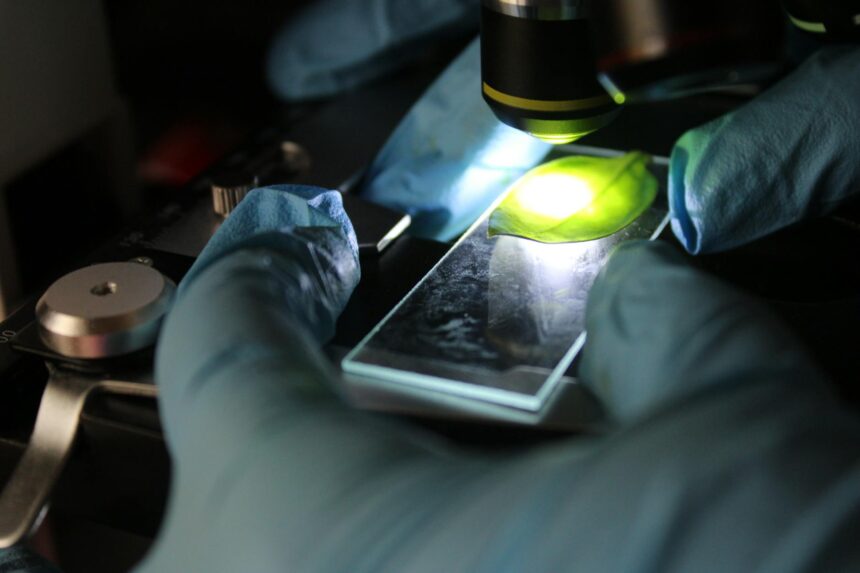
Scientific diagram showing vitamin functions across human biological systems
Every vitamin performs a defined biochemical function as cofactors and regulators in human metabolism. When these functions are compromised, clinical dysfunction emerges across multiple interconnected biological systems. — Photo: Jahra Tasfia Reza / Pexels
SHARE
🎧 Listen to this article4:59 min · 709 words · GMJ Audio
3 min read|647 words

Every vitamin performs a defined biochemical function within the human body, acting as cofactors, regulators, and structural enablers rather than interchangeable nutrients. When these functions are compromised, downstream biological systems including skeletal, immune, neurological, and hematologic processes become affected.

Contents
      • Vitamin Function Integration Across Body Systems
  • Function Specificity Drives System Integration
  • Structural Dependence Across Biological Systems
  • Clinical Dysfunction from Suboptimal Status
    • Key takeaways
  • Frequently asked questions
    • How do vitamins differ from other nutrients in their biological function?
    • Why do vitamin deficiencies affect multiple body systems simultaneously?
    • What is the difference between vitamin deficiency and suboptimal status?
13 vitamins
perform distinct biochemical functions as cofactors and regulators in human metabolism

Vitamin Function Integration Across Body Systems

Key areas where vitamin deficiencies affect multiple interconnected processes

Immune Function
Neurological Integrity
Skeletal Systems
Hematologic Processes
Connective Tissue

Source: Georgian Medical Journal News analysis

Function Specificity Drives System Integration

Unlike interchangeable inputs, vitamins operate as highly specific biochemical operators within defined metabolic pathways. Research published in the American Journal of Clinical Nutrition demonstrates that vitamin deficiencies rarely present in isolation, as hormonal balance, immune signaling, red blood cell formation, and neural integrity are tightly coupled systems.

Submit Your Paper
GMJ_Submit_Banner

The understanding that micronutrients function as required instructions rather than optional accessories in human metabolism explains why clinical dysfunction often emerges from suboptimal status rather than complete absence. The latest clinical updates show that understanding vitamins as biological operators rather than abstract nutrients fundamentally changes therapeutic approaches to nutritional deficiency.

🎙️ Related Podcast Episodes
🎧 #41 | GMJ Podcast | Hydrochemical Stability and Radiobiology of Tskaltubo Mineral Water — Clinical and Scientific Evaluation · 17m
🎧 #33 | GMJ Podcast | Public Health Policy as Education in NCD Prevention — Commentary by Owen Thomas · 21m
🎧 #53 | GMJ Podcast | Palliative Care in Georgia — Health System Gaps, Access Barriers, and Policy Implications · 16m
🎧 #39 | GMJ Podcast | Acne and Metabolic Dysfunction — Insulin Resistance, IGF-1, and Clinical Implications · 15m
🎧 #38 | GMJ Podcast | Acne and Metabolic Dysfunction — Insulin Resistance, IGF-1, and Clinical Implications · 21m

Structural Dependence Across Biological Systems

Bone, connective tissue, and vascular health depend on coordinated vitamin activity, particularly involving vitamin D, K, and calcium interactions. Studies in Nutrition Journal show that isolated supplementation without considering nutrient interactions can actually impair absorption and biological function.

The World Health Organization’s micronutrient guidelines emphasize that bioavailability, chemical form, and nutrient pairing determine physiological impact more than supplement label presence alone. This explains why population-level deficiency rates remain high despite widespread supplementation programs.

Suboptimal vitamin status can manifest as fatigue, impaired immunity, poor wound healing, and cognitive changes long before classical deficiency diseases appear. These findings are regularly discussed in new studies examining micronutrient function.

Clinical Dysfunction from Suboptimal Status

Evidence from recent clinical research indicates that healthcare systems must shift focus from treating overt deficiency diseases to identifying and correcting suboptimal micronutrient status. This represents a fundamental change in nutritional medicine approaches.

The integration of vitamin function across multiple biological systems means that practitioners need comprehensive assessment tools rather than isolated nutrient testing. Current health policy discussions are beginning to reflect this systems-based understanding of micronutrient requirements.

Clinical dysfunction often emerges from suboptimal vitamin status rather than outright deficiency, affecting fatigue, immunity, wound healing, and cognitive function before classical deficiency diseases appear.

— Based on clinical research findings

Key takeaways

  • Each of the 13 vitamins performs specific biochemical functions as cofactors and regulators, not interchangeable nutrients
  • Vitamin deficiencies affect multiple interconnected systems including immune, neurological, and skeletal function
  • Suboptimal vitamin status causes clinical dysfunction before classical deficiency diseases develop
  • Bioavailability and nutrient interactions determine physiological impact more than supplement dosage alone

Frequently asked questions

How do vitamins differ from other nutrients in their biological function?

Vitamins act as highly specific cofactors and regulators in defined metabolic pathways, unlike macronutrients that provide energy or building materials. Each vitamin has a unique biochemical role that cannot be substituted by other nutrients.

Why do vitamin deficiencies affect multiple body systems simultaneously?

Biological systems are tightly integrated, with vitamins serving as essential operators across skeletal, immune, neurological, and hematologic processes. When one vitamin function is compromised, downstream effects cascade through multiple interconnected systems.

What is the difference between vitamin deficiency and suboptimal status?

Classical vitamin deficiency diseases represent complete functional breakdown, while suboptimal status causes gradual dysfunction including fatigue, impaired immunity, and cognitive changes. Most modern health problems relate to suboptimal rather than absent vitamin function.

The clinical understanding of vitamins as required biochemical instructions rather than optional supplements represents a significant advancement in nutritional medicine. As research continues to map the precise mechanisms of vitamin function across integrated biological systems, healthcare approaches will increasingly focus on optimizing micronutrient status rather than simply preventing deficiency diseases. This paradigm shift promises more effective interventions for maintaining health and preventing chronic disease through targeted nutritional support.

Was this article helpful?

Disclaimer. This article is health journalism intended for general information and education. It is not medical advice and is not a substitute for professional diagnosis or treatment. Always consult a qualified healthcare provider about your individual circumstances. Full disclaimer →

Related Coverage

How one biotech startup transformed clinical trial failure into an AI-powered health technology breakthroughJul 9, 2026
The Hidden Cost of Secrecy: How Missing Research Data Undermines Clinical GuidanceJul 9, 2026
Corrected Global Data on Substance Use Burden Across 204 Countries Reveals Shifting PatternsJul 9, 2026
Engineered Heart Muscle From Stem Cells Shows Promise in First-in-Human TrialJul 9, 2026
Related reference
  • Vitamin D · Ingredient
  • Vitamin A · Ingredient
  • Calcium · Ingredient
PG
Written by
Prof. Giorgi Pkhakadze, MD, MPH, PhD
Editor-in-Chief, GMJ News
Full profile →  ·  ORCID 0000-0001-7609-4515
Medical disclaimer. This article is health journalism intended for general information. It is not medical advice and is not a substitute for consultation with a qualified healthcare professional. Always seek your physician's advice regarding any medical condition.
Medically reviewed by Prof. Giorgi Pkhakadze, MD, MPH, PhD. Spotted an error? Contact the editorial team.

Get the GMJ News digest
Evidence-based health journalism in your inbox. No spam; unsubscribe anytime.
TAGGED:biochemistrydeficiencymetabolismNutritionvitamins
Share This Article
Facebook LinkedIn Bluesky Copy Link Print
GMJ
ByGMJ Research Desk
Follow:
GMJ Research Desk is part of GMJ News, the newsroom of the Georgian Medical Journal (gmj.ge), published by the Public Health Institute of Georgia. Every article is editorially reviewed before publication.
Leave a Comment Leave a Comment

Leave a Reply Cancel reply

Your email address will not be published. Required fields are marked *

Submit Your Paper →

Georgia's peer-reviewed open-access medical journal. No APC until January 2027.
Submit Manuscript →
AI-Driven Depression Treatment Platform Neumora Halts Clinical Development

Neumora, an AI-focused depression treatment platform backed by venture capital firm ARCH,…

How one biotech startup transformed clinical trial failure into an AI-powered health technology breakthrough

A biotech startup has converted data from a failed clinical trial into…

The Hidden Cost of Secrecy: How Missing Research Data Undermines Clinical Guidance

Systematic reviews and meta-analyses that guide clinical practice are increasingly compromised by…

Submit Your Paper to GMJ

No APC until January 2027.
Submit Manuscript →

You Might Also Like

Illustration of brain's glymphatic system showing waste clearance pathways and cellular networks
New StudiesResearch Digest

Brain’s Hidden Cleanup System Works Around the Clock to Prevent Neurodegeneration

By
GMJ Research Desk
23/05/2026
Microscopic view of lab-grown brain organoids showing neural connections and regenerating nerve fibers
New StudiesResearch Digest

Lab-grown brain organoids reveal how to reverse ‘irreversible’ nerve damage

By
GMJ Research Desk
29/05/2026
Medical chart showing five male hormone levels and mortality risk associations from largest study
New StudiesResearch Digest

Major Study Links Five Male Hormones to Mortality Risk Beyond Testosterone

By
GMJ Research Desk
23/05/2026
Medical illustration showing neural pathways and gene function in movement disordersIllustrative image · Photo by Ashraful Islam on Unsplash (Unsplash License)
New StudiesResearch Digest

Hidden Immune Gene Linked to Rare Neurological Movement Disorder

By
GMJ Research Desk
04/07/2026
Facebook Twitter Youtube Instagram
Company
  • Privacy Policy
  • Contact US
  • GMJ Journal
  • Submit Manuscript
  • Editorial Team
  • Register at GMJ
  • Terms of Use

Subscribe to GMJ News — Click here

Join Community
© 2026 Georgian Medical Journal (GMJ). Published by the Public Health Institute of Georgia (PHIG). All rights reserved.
Welcome Back!

Sign in to your account

Username or Email Address
Password

Lost your password?

Not a member? Sign Up