Updated 13/09/2026
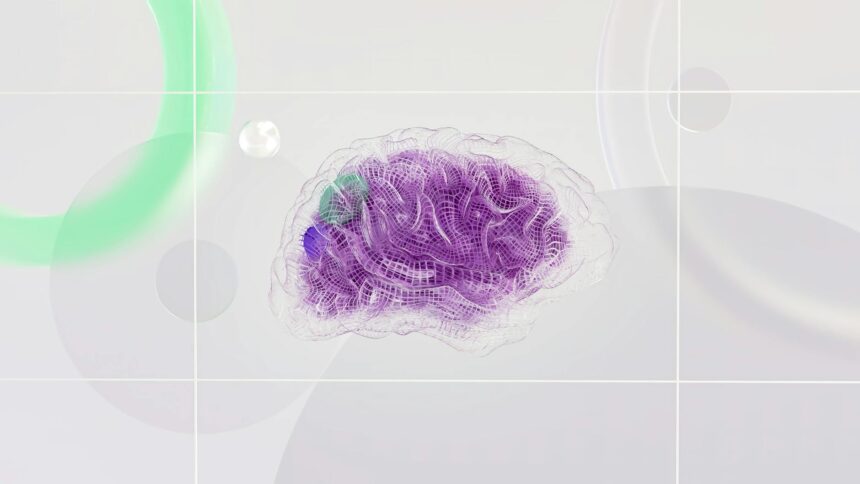
Cambridge researchers have developed laboratory-grown miniature brain and spinal cord systems that can transmit signals and trigger muscle contractions, offering new insights into reversing nerve damage previously thought to be permanent, according to a Cambridge University study. The breakthrough study demonstrates that human neurons lose their regenerative capacity during development, but this ability can potentially be restored through targeted interventions.
Nerve Regeneration Capacity Declines with Development
Human neuron regenerative ability from embryonic to mature stages
regeneration
capacity
regrowth
LowModerateHighVery HighEmbryonicNeonatalJuvenileAdolescentAdult
Source: Cambridge University study, 2026 | Georgian Medical Journal News

Organoid models reveal developmental switch
The Cambridge team created sophisticated three-dimensional tissue models that mimic human brain and spinal cord development in laboratory conditions, according to the Cambridge University study. These organoids, grown from human stem cells, successfully formed functional neural circuits capable of transmitting electrical signals and even triggering contractions in co-cultured muscle tissue.
The organoid systems allowed scientists to track how neurons change their regenerative properties as they mature from embryonic to adult-like states, according to the Cambridge research. The models revealed a critical developmental window during which nerve cells progressively lose their intrinsic ability to regrow damaged connections.
The team’s findings suggest that understanding this developmental switch could unlock new therapeutic approaches for spinal cord injuries and neurodegenerative diseases, according to the Cambridge University study.
Gene networks control regenerative capacity
The research team identified specific gene networks that regulate neurons’ ability to regenerate after injury, according to the Cambridge study. Through detailed molecular analysis of their organoid systems, they discovered that certain genetic programs become progressively silenced as neurons mature, effectively switching off their regenerative potential.
The Cambridge study demonstrates this principle using human tissue models, providing direct evidence that could translate to clinical applications.
The research represents a significant advance in understanding why adult nervous system injuries often result in permanent disability. By identifying the molecular mechanisms that silence regeneration, scientists can now explore ways to reactivate these dormant pathways.
Hormone therapy shows dramatic regeneration boost
The team tested whether existing drugs could restore regenerative capacity in their mature organoid neurons, according to the Cambridge University study. They found that treatment with an existing hormone drug dramatically boosted nerve fiber regrowth compared to untreated controls.
The hormone treatment appeared to partially reactivate the genetic programs that normally become silenced during neural development, according to the research. This discovery is particularly significant because the hormone therapy uses an existing approved drug, potentially accelerating translation to human trials.
The National Institutes of Health has recognized combination approaches as promising strategies for treating spinal cord injuries.
Clinical implications for paralysis treatment
The organoid findings could have profound implications for treating paralysis and other conditions involving nerve damage. Current treatments for spinal cord injury focus primarily on preventing further damage and supporting rehabilitation, but offer limited hope for restoring lost function.
By demonstrating that neural regenerative capacity can be pharmacologically enhanced, the Cambridge research opens new avenues for therapeutic development, according to the study.
The World Health Organization provides general information about spinal cord injuries and their global impact.
An existing hormone drug dramatically boosted nerve fiber regrowth in mature human neurons grown in laboratory organoid systems.
— Cambridge University study findings (2026)
Key takeaways
- Human neurons lose regenerative capacity during development, but this process can potentially be reversed using targeted interventions, according to Cambridge University research
- Laboratory-grown brain and spinal cord organoids provide new tools for testing regeneration therapies using human tissue models
- Hormone therapy showed dramatic improvements in nerve regrowth, offering hope for treating paralysis and neurodegenerative diseases
Frequently asked questions
What are organoids and how do they model human neural development?
Organoids are three-dimensional tissue cultures grown from human stem cells that mimic organ development and function. The Cambridge team’s neural organoids successfully formed brain and spinal cord structures with functional neural circuits capable of transmitting signals and triggering muscle contractions, according to the study.
Why do adult neurons lose their ability to regenerate after injury?
As neurons mature during development, specific gene networks that control regeneration become progressively silenced, according to the Cambridge research. This developmental switch explains why adult spinal cord injuries often result in permanent paralysis.
How quickly could hormone therapy be tested in humans?
Since the hormone therapy uses an existing approved drug, this approach could potentially move to human trials more rapidly than entirely new drugs, according to the Cambridge study. However, researchers must first conduct additional safety and efficacy studies in more complex models before clinical testing begins.
The Cambridge organoid research represents a paradigm shift in understanding neural regeneration, moving from the traditional view of adult nerve damage as irreversible toward targeted approaches that could reactivate dormant healing mechanisms. As researchers continue to refine these laboratory models and test combination therapies, the prospect of restoring function after spinal cord injury moves closer to clinical reality.
Source: Human organoids reveal how to reverse “irreversible” nerve damage
🗺️ Find certified Georgian healthcare providers: sheniekimi.ge — Georgia Health Map · 998 clinics · 6,600+ doctors · 2,296 pharmacies
Was this article helpful?
Disclaimer. This article is health journalism intended for general information and education. It is not medical advice and is not a substitute for professional diagnosis or treatment. Always consult a qualified healthcare provider about your individual circumstances. Full disclaimer →
Related Coverage


Editorial standards. This article was produced under the GMJ News editorial process, with oversight by the GMJ Editorial Board. Our editorial process. Spotted an error? Contact the editorial team.