


Tag: metabolism
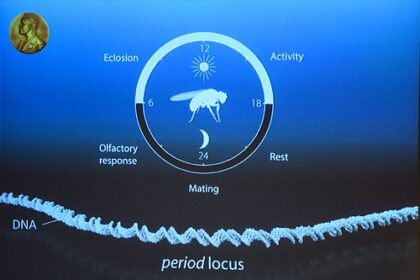
The Brain’s Master Clock: How the Circadian System Controls Sleep, Hunger, and Metabolism
The suprachiasmatic nucleus, a rice-grain-sized brain structure, acts as your body's master clock, orchestrating 24-hour rhythms of sleep, hunger, metabolism,…
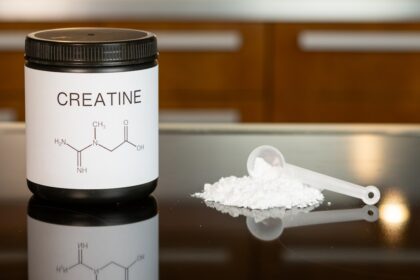
How Your Body Makes and Uses Creatine: The Complete Energy System Explained
Creatine is a naturally occurring molecule synthesized in the kidneys and liver that serves as the body's primary rapid-access energy…

Vitamins Don’t Work Alone: How Nutrient Systems Keep Your Body Running
Vitamins and minerals function as interconnected metabolic systems, not isolated nutrients. Understanding how B12 and folate work together, how magnesium…

The Master Clock: How Your Brain’s Circadian Rhythm Controls Sleep, Hunger, and Mood
Your brain contains a master clock—the suprachiasmatic nucleus—that controls every major physiological process across a 24-hour cycle. Light, food timing,…
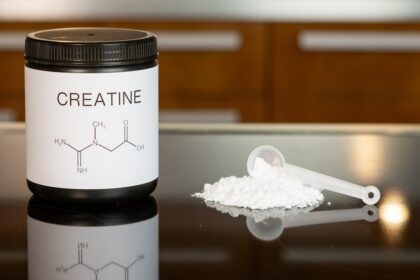
Creatine’s Role in Energy Metabolism and Disease Prevention: Evidence from Recent Research
The phosphocreatine system is critical for energy supply in high-demand tissues including the brain and muscle. Recent evidence links creatine…

How Vitamin D Becomes Active: The Three-Organ Pathway Explained
Vitamin D activation involves a complex three-organ cascade requiring magnesium, iron, vitamin K2, zinc, and vitamin A as essential cofactors.…

Sleep Deprivation Damages Multiple Body Systems Simultaneously, Six Studies Show
Short sleep simultaneously disrupts hormonal regulation, metabolism, muscle recovery, and appetite control rather than damaging a single system. Six controlled…
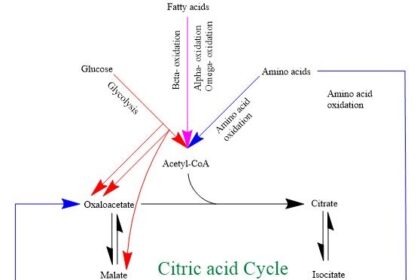
The Citric Acid Cycle: How Cells Convert Food Into Energy
The citric acid cycle—Earth's most fundamental energy conversion process—occurs billions of times per second in every human cell, converting all…