


Tag: metabolism

Bones Are Living Organs That Talk to Your Body—Here’s How
Bones are living tissues that continuously secrete hormones and signalling molecules—including osteocalcin—that regulate blood glucose, immune function, and brain health.…
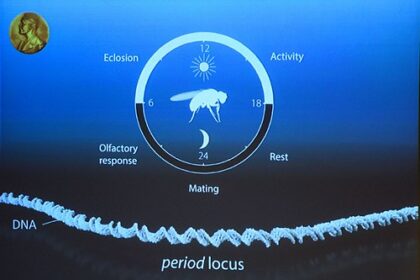
The Brain’s Master Clock: How the Circadian System Controls Sleep, Hunger, and Metabolism
The suprachiasmatic nucleus, a rice-grain-sized brain structure, acts as your body's master clock, orchestrating 24-hour rhythms of sleep, hunger, metabolism,…

How Your Body Makes and Uses Creatine: The Complete Energy System Explained
Creatine is a naturally occurring molecule synthesized in the kidneys and liver that serves as the body's primary rapid-access energy…

Vitamins Don’t Work Alone: How Nutrient Systems Keep Your Body Running
Vitamins and minerals function as interconnected metabolic systems, not isolated nutrients. Understanding how B12 and folate work together, how magnesium…

The Master Clock: How Your Brain’s Circadian Rhythm Controls Sleep, Hunger, and Mood
Your brain contains a master clock—the suprachiasmatic nucleus—that controls every major physiological process across a 24-hour cycle. Light, food timing,…

Creatine’s Role in Energy Metabolism and Disease Prevention: Evidence from Recent Research
The phosphocreatine system is critical for energy supply in high-demand tissues including the brain and muscle. Recent evidence links creatine…

How Vitamin D Becomes Active: The Three-Organ Pathway Explained
Vitamin D activation involves a complex three-organ cascade requiring magnesium, iron, vitamin K2, zinc, and vitamin A as essential cofactors.…

Sleep Deprivation Damages Multiple Body Systems Simultaneously, Six Studies Show
Short sleep simultaneously disrupts hormonal regulation, metabolism, muscle recovery, and appetite control rather than damaging a single system. Six controlled…