By using this site, you agree to the Privacy Policy and Terms of Use.
Accept
GMJ NewsGMJ NewsGMJ News
  • Latest News
    • GMJ Briefs
  • Podcast & Media
    • Podcast Episodes
    • GMJ Audio
    • GMJ Videos
  • Research Digest
    • New Studies
    • Georgian Research
    • Data & Numbers
  • Policy & Systems
    • Health Policy
    • Quality & Safety
    • Migration & Health
    • Global Health
  • Practice
    • Clinical Updates
    • Case Discussions
    • Pharmacy & Prescribing
    • Ingredients A-Z
  • Perspectives
    • Editorial
    • Explainers
    • Voices
    • Letters
  • GMJ Articles
    • Vol. 1 Issue 2 (2026)
    • Vol. 1 Issue 1 (2026)
    • Pre-Launch Articles (2025)
  • Read the Journal →
  • About GMJ News
Notification Show More
Font ResizerAa
GMJ NewsGMJ News
Font ResizerAa
  • Latest News
    • GMJ Briefs
  • Podcast & Media
    • Podcast Episodes
    • GMJ Audio
    • GMJ Videos
  • Research Digest
    • New Studies
    • Georgian Research
    • Data & Numbers
  • Policy & Systems
    • Health Policy
    • Quality & Safety
    • Migration & Health
    • Global Health
  • Practice
    • Clinical Updates
    • Case Discussions
    • Pharmacy & Prescribing
    • Ingredients A-Z
  • Perspectives
    • Editorial
    • Explainers
    • Voices
    • Letters
  • GMJ Articles
    • Vol. 1 Issue 2 (2026)
    • Vol. 1 Issue 1 (2026)
    • Pre-Launch Articles (2025)
  • Read the Journal →
  • About GMJ News
Follow US
GMJ News > GMJ Briefs > Three Evidence-Based Changes Your Body Undergoes During Intermittent Fasting

Three Evidence-Based Changes Your Body Undergoes During Intermittent Fasting

GMJ
Last updated: 08/07/2026 18:17
By
Prof. Giorgi Pkhakadze
Share
1 Min Read
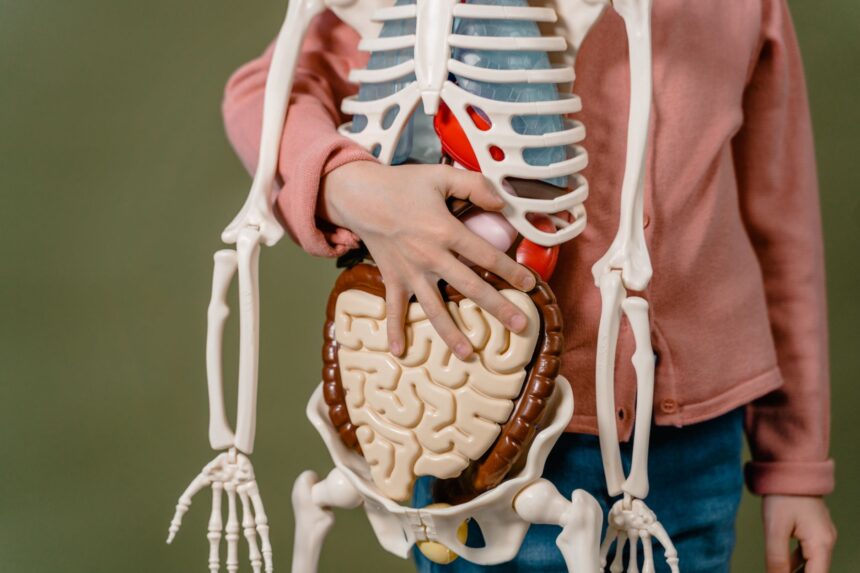
Brain scan and gut microbiome illustration showing intermittent fasting effects
New research reveals intermittent fasting triggers coordinated changes in brain appetite control regions and gut microbiome composition. The findings suggest these biological systems work together to support weight loss success. — Photo: MART PRODUCTION / Pexels
SHARE
1 min read|150 words

A new study identifies three distinct biological transformations that occur when following intermittent fasting protocols. First, brain imaging reveals reduced activity in regions controlling appetite and food cravings, suggesting improved neurological self-regulation. Second, gut microbiota composition shifts measurably toward healthier bacterial profiles known to support metabolic function. Third, these coordinated changes accompany significant weight loss, indicating that multiple biological systems work synergistically during fasting interventions.

For individuals considering intermittent fasting, these findings suggest the approach engages sophisticated biological mechanisms beyond simple caloric restriction. The simultaneous optimization of brain function and microbial communities may explain sustained adherence rates and metabolic improvements reported in fasting studies. Understanding these physiological changes can help patients recognize that weight management success involves coordinated improvements across multiple body systems, not isolated dietary changes. The brain-gut connection revealed in this research offers an evidence-based framework for explaining intermittent fasting’s effectiveness.

Read the full article on GMJ Newsroom.

Was this article helpful?

GMJ Brief · Takeaway

📰 Read the full article: Intermittent Fasting Rewires Brain and Gut Microbiome, New Study Reveals →

Share This Article
Facebook LinkedIn Bluesky Copy Link Print
GMJ
ByProf. Giorgi Pkhakadze
Follow:
Prof. Giorgi Pkhakadze, MD, MPH, PhD, is Editor-in-Chief of the Georgian Medical Journal and Chair of the Public Health Institute of Georgia (PHIG). He is Professor and Head of the Department of Social and Behavioural Sciences at David Tvildiani Medical University, and Secretary/Treasurer of the UEMS Section of Public Health. ORCID: 0000-0001-7609-4515.

Submit Your Paper →

Georgia's peer-reviewed open-access medical journal. No APC until January 2027.
Submit Manuscript →
PFAS ‘Forever Chemicals’ Persist in Ski Wax Rooms Despite Regulatory Bans

New research reveals PFAS 'forever chemicals' persist in ski wax facilities years…

Community Walking Groups Show Mental Health Benefits for Bereaved Adults

A community walking group in Darwen demonstrates how peer-supported physical activity provides…

Ebola outbreak in DRC and Uganda spreads to new regions; CDC updates response strategy

The Democratic Republic of the Congo and Uganda report active Ebola transmission…

Submit Your Paper to GMJ

No APC until January 2027.
Submit Manuscript →

You Might Also Like

Diagram showing gut-brain communication pathways and circadian rhythm regulation

Announcement: Gut Microbes Drive Body’s Internal Clock Through Four Key Pathways

By
Prof. Giorgi Pkhakadze
02/06/2026
Global HealthNew StudiesPolicy & SystemsResearch Digest

COVID-19 Boosters May Protect Against Future Animal Coronaviruses, Cambridge Study Shows

By
Prof. Giorgi Pkhakadze
01/07/2026
Map showing malaria prevention coverage across sub-Saharan African countries

Three-Fold Malaria Risk Disparity Between Rural and Urban Children in Sub-Saharan Africa

By
Prof. Giorgi Pkhakadze
07/06/2026
Clinical UpdatesGlobal HealthPolicy & SystemsPractice

WOAH Warns of Escalating Ebola Outbreak Across DRC and Uganda Border Region

By
Prof. Giorgi Pkhakadze
01/07/2026
Facebook Twitter Youtube Instagram
Company
  • Privacy Policy
  • Contact US
  • GMJ Journal
  • Submit Manuscript
  • Editorial Team
  • Register at GMJ
  • Terms of Use

Subscribe to GMJ News — Click here

Join Community
© 2026 Georgian Medical Journal (GMJ). Published by the Public Health Institute of Georgia (PHIG). All rights reserved.
Welcome Back!

Sign in to your account

Username or Email Address
Password

Lost your password?

Not a member? Sign Up