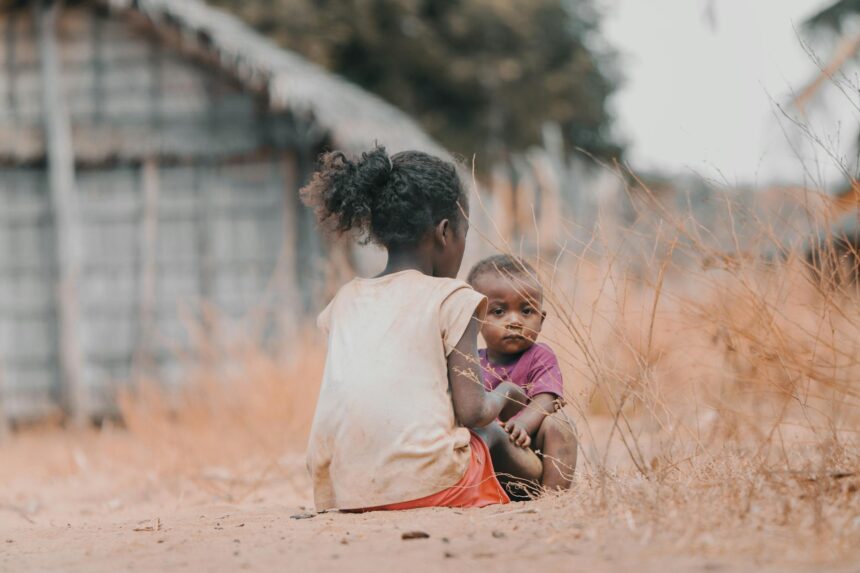
A landmark statistical analysis across 17 sub-Saharan African countries has quantified the malaria risk gap between vulnerable and privileged populations. Children residing in rural areas from economically disadvantaged households face malaria infection rates up to three times higher than their urban, wealthier counterparts—a striking disparity that underscores entrenched health inequities.
Geographic location emerged as the strongest predictor of malaria risk among children under five, surpassing other traditionally significant factors. This finding carries profound implications for malaria control strategies, suggesting that targeted interventions addressing rural healthcare access and community-level prevention infrastructure could substantially reduce the disease burden. The data emphasizes that effective malaria elimination requires addressing not only biological vectors but also the socioeconomic determinants driving infection disparities across the continent.
Read the full article on GMJ Newsroom.
Was this article helpful?