By using this site, you agree to the Privacy Policy and Terms of Use.
Accept
GMJ NewsGMJ NewsGMJ News
  • Latest News
    • GMJ Briefs
  • Podcast & Media
    • Podcast Episodes
    • GMJ Audio
    • GMJ Videos
  • Research Digest
    • New Studies
    • Georgian Research
    • Data & Numbers
  • Policy & Systems
    • Health Policy
    • Quality & Safety
    • Migration & Health
    • Global Health
  • Practice
    • Clinical Updates
    • Case Discussions
    • Pharmacy & Prescribing
    • Ingredients A-Z
  • Perspectives
    • Editorial
    • Explainers
    • Voices
    • Letters
  • GMJ Articles
    • Vol. 1 Issue 2 (2026)
    • Vol. 1 Issue 1 (2026)
    • Pre-Launch Articles (2025)
  • Read the Journal →
  • About GMJ News
Notification Show More
Font ResizerAa
GMJ NewsGMJ News
Font ResizerAa
  • Latest News
    • GMJ Briefs
  • Podcast & Media
    • Podcast Episodes
    • GMJ Audio
    • GMJ Videos
  • Research Digest
    • New Studies
    • Georgian Research
    • Data & Numbers
  • Policy & Systems
    • Health Policy
    • Quality & Safety
    • Migration & Health
    • Global Health
  • Practice
    • Clinical Updates
    • Case Discussions
    • Pharmacy & Prescribing
    • Ingredients A-Z
  • Perspectives
    • Editorial
    • Explainers
    • Voices
    • Letters
  • GMJ Articles
    • Vol. 1 Issue 2 (2026)
    • Vol. 1 Issue 1 (2026)
    • Pre-Launch Articles (2025)
  • Read the Journal →
  • About GMJ News
Follow US
GMJ News > Practice > Clinical Updates > New Clinical Guidelines Address Heart-Brain Multimorbidity Management
Clinical UpdatesPractice

New Clinical Guidelines Address Heart-Brain Multimorbidity Management

GMJ
Last updated: 19/06/2026 09:35
By
GMJ Practice Desk
Share
4 Min Read
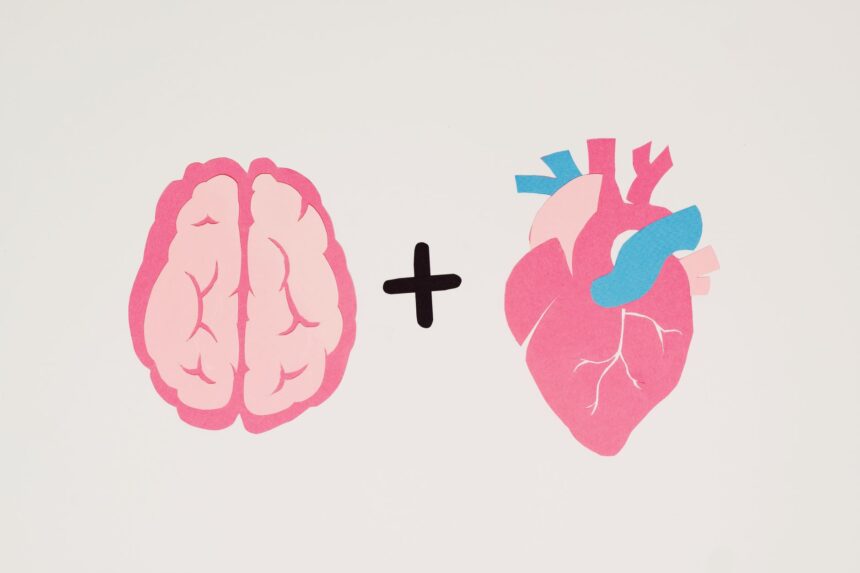
Medical illustration showing interconnected heart and brain health management protocolsIllustrative image · Photo by Nadezhda Moryak on Pexels (Pexels License)
New clinical practice guidelines published in CMAJ provide evidence-based recommendations for managing patients with concurrent cardiovascular and neurological conditions. The guidelines emphasize integrated care approaches and multidisciplinary team collaboration. — Photo by Nadezhda Moryak on Pexels (Pexels License)
SHARE
🎧 Listen to this article3:44 min · 523 words · GMJ Audio
3 min read|523 words

A new clinical practice guideline published in the Canadian Medical Association Journal addresses the complex management of heart-brain multimorbidity, providing evidence-based recommendations for clinicians treating patients with concurrent cardiovascular and neurological conditions.

Contents
      • Heart-Brain Multimorbidity Management Framework
  • Integrated Approach to Complex Conditions
  • Evidence-Based Management Strategies
  • Implementation in Clinical Practice
    • Key takeaways
  • Frequently asked questions
    • What is heart-brain multimorbidity?
    • How do these guidelines differ from previous approaches?
    • Who should implement these guidelines?
198(20)
Volume and issue number of CMAJ featuring the new guidelines

Heart-Brain Multimorbidity Management Framework

Clinical domains addressed in new CMAJ guidelines, 2026

Cardiovascular Assessment
90%
Neurological Evaluation
85%
Integrated Care Planning
75%
Risk Stratification
65%
Implementation Barriers

35%

Source: CMAJ Clinical Guidelines, 2026 | Georgian Medical Journal News

Integrated Approach to Complex Conditions

The guidelines emphasize the interconnected nature of cardiovascular and neurological health, recognizing that patients with conditions such as stroke, heart failure, and cognitive impairment require coordinated care strategies. This approach addresses the growing recognition that heart and brain health are fundamentally linked through shared risk factors and pathophysiological mechanisms.

Submit Your Paper
GMJ_Submit_Banner

Clinical evidence supports the need for integrated management protocols, as patients with heart-brain multimorbidity face increased mortality risks and reduced quality of life. The World Health Organization has identified cardiovascular diseases as a leading cause of death globally, while neurological conditions represent a significant burden of disease.

🎙️ Related Podcast Episodes
🎧 #40 | GMJ Podcast | [Insert Article Title] — Evidence, Clinical Implications, and Public Health Perspective · 16m
🎧 #18 | WHO Updates HIV Clinical Management Guidelines to Improve Global Treatment · 17m
🎧 #46 | GMJ Podcast | Angioplasty of Saphenous Vein Grafts — Risks, Outcomes, and Clinical Strategies · 21m
🎧 #45 | GMJ Podcast | Tskaltubo Mineral Baths in Osteoarthritis — Microcirculation, Erythrocytes, and Clinical Effects · 18m
🎧 #37 | GMJ Podcast | NAD⁺ Injections and “NAD Boosters” — Public Health Risks and Regulatory Implications · 20m

Evidence-Based Management Strategies

The CMAJ guidelines provide specific recommendations for risk assessment, therapeutic interventions, and monitoring protocols for patients with concurrent heart and brain conditions. These recommendations are based on systematic reviews of available evidence and expert consensus from multidisciplinary teams.

Healthcare providers managing these complex cases require access to comprehensive clinical updates and evidence-based protocols. The guidelines address medication interactions, lifestyle interventions, and care coordination strategies essential for optimal patient outcomes.

Implementation in Clinical Practice

The practical application of these guidelines requires healthcare systems to develop integrated care pathways that bridge traditional specialty silos. This includes establishing communication protocols between cardiology, neurology, and primary care teams.

Training programs and continuing medical education initiatives will be essential for successful implementation. The Centers for Disease Control and Prevention emphasizes the importance of evidence-based clinical guidelines in improving patient care quality and reducing healthcare costs.

Heart-brain multimorbidity requires integrated clinical management approaches that address both cardiovascular and neurological health simultaneously

— CMAJ Clinical Guidelines Panel (Canadian Medical Association Journal, 2026)

Key takeaways

  • New clinical guidelines provide evidence-based recommendations for heart-brain multimorbidity management
  • Integrated care approaches are essential for patients with concurrent cardiovascular and neurological conditions
  • Implementation requires coordinated care pathways and multidisciplinary team collaboration

Frequently asked questions

What is heart-brain multimorbidity?

Heart-brain multimorbidity refers to the concurrent presence of cardiovascular and neurological conditions in the same patient. These conditions often share common risk factors and require integrated management approaches.

How do these guidelines differ from previous approaches?

The new guidelines emphasize integrated care rather than separate management of heart and brain conditions. They provide specific protocols for coordinating care across medical specialties.

Who should implement these guidelines?

Primary care physicians, cardiologists, neurologists, and other healthcare providers managing patients with concurrent heart and brain conditions should implement these evidence-based recommendations.

The publication of these comprehensive guidelines represents a significant advancement in clinical practice, providing healthcare providers with evidence-based tools to manage complex multimorbid conditions. As healthcare systems increasingly recognize the importance of integrated care approaches, these guidelines will likely influence clinical practice standards and improve patient outcomes for individuals with heart-brain multimorbidity.

Source: Prise en charge de la multimorbidite cœur-cerveau : un guide de pratique clinique

Was this article helpful?

Disclaimer. This article is health journalism intended for general information and education. It is not medical advice and is not a substitute for professional diagnosis or treatment. Always consult a qualified healthcare provider about your individual circumstances. Full disclaimer →

Related Coverage

Eli Lilly's Gene Editor Cuts Cholesterol 62% in First Human TrialJun 19, 2026
Enhanced Games 'Steroid Olympics' Launch Amid Medical and Ethical ConcernsJun 19, 2026
Clinical Evidence Links Perimenopause Brain Fog to Measurable Cognitive DeclineJun 19, 2026
14-Year-Old Girl Develops Rare Spinal Stroke After Flu Infection, Highlighting Serious Neurological ComplicationsJun 19, 2026
Related reference
  • Heart Failure · Condition
  • Stroke · Condition
  • SAMe · Ingredient
PG
Written by
Prof. Giorgi Pkhakadze, MD, MPH, PhD
Editor-in-Chief, GMJ News
Full profile →
Medical disclaimer. This article is health journalism intended for general information. It is not medical advice and is not a substitute for consultation with a qualified healthcare professional. Always seek your physician's advice regarding any medical condition.
Medically reviewed by Prof. Giorgi Pkhakadze, MD, MPH, PhD. Spotted an error? Contact the editorial team.

Get the GMJ News digest
Evidence-based health journalism in your inbox. No spam; unsubscribe anytime.
TAGGED:cardiovascular healthclinical guidelinesintegrated caremultimorbidityneurological conditions
Share This Article
Facebook LinkedIn Bluesky Copy Link Print
GMJ
ByGMJ Practice Desk
Follow:
GMJ Practice Desk is part of GMJ News, the newsroom of the Georgian Medical Journal (gmj.ge), published by the Public Health Institute of Georgia. Every article is editorially reviewed before publication.
Leave a Comment Leave a Comment

Leave a Reply Cancel reply

Your email address will not be published. Required fields are marked *

Submit Your Paper →

Georgia's peer-reviewed open-access medical journal. No APC until January 2027.
Submit Manuscript →
Rare Earth Mining Creates Hidden Public Health Crisis in Myanmar

Rare earth mining operations in Myanmar are creating an unmonitored environmental health…

Language Barriers in Healthcare: How Communication Gaps Affect Patient Safety and Quality of Care

Language barriers in healthcare contribute to 25% of medical errors in multicultural…

Eli Lilly’s Gene Editor Cuts Cholesterol 62% in First Human Trial

Eli Lilly's experimental gene-editing therapy VERV-102 achieved a 62% reduction in cholesterol…

Submit Your Paper to GMJ

No APC until January 2027.
Submit Manuscript →

You Might Also Like

Data visualization showing fiber intake mortality benefits across population studies
New StudiesResearch Digest

High Fiber Intake Reduces All-Cause Mortality by 23%, Analysis of 3.5 Million People Shows

By
GMJ Research Desk
27/05/2026
Medical illustration of bispecific antibody targeting cancer cells
Clinical UpdatesNew StudiesPracticeResearch Digest

BioNTech-Pfizer Bispecific Antibody Shows Promise in Advanced Lung Cancer at ASCO 2026

By
GMJ Practice Desk
04/06/2026
NHS mobile screening truck parked in supermarket car park providing lung cancer screening servicesIllustrative image · Photo by Anna Shvets on Pexels (Pexels License)
Clinical UpdatesPractice

NHS Mobile Lung Screening Trucks Detect Over 10,000 Cancers in Supermarket Car Parks

By
GMJ Practice Desk
18/06/2026
MHRA medicines defect notification document for denosumab injection labelling errorIllustrative image · Photo by cottonbro studio on Pexels (Pexels License)
Pharmacy & PrescribingPractice

UK Health Regulator Issues Class 4 Alert for Denosumab Injection Labelling Error

By
GMJ Practice Desk
15/06/2026
Facebook Twitter Youtube Instagram
Company
  • Privacy Policy
  • Contact US
  • GMJ Journal
  • Submit Manuscript
  • Editorial Team
  • Register at GMJ
  • Terms of Use

Subscribe to GMJ News — Click here

Join Community
© 2026 Georgian Medical Journal (GMJ). Published by the Public Health Institute of Georgia (PHIG). All rights reserved.
Welcome Back!

Sign in to your account

Username or Email Address
Password

Lost your password?

Not a member? Sign Up