By using this site, you agree to the Privacy Policy and Terms of Use.
Accept
GMJ NewsGMJ NewsGMJ News
  • Latest News
    • GMJ Briefs
  • Podcast & Media
    • Podcast Episodes
    • GMJ Audio
    • GMJ Videos
  • Research Digest
    • New Studies
    • Georgian Research
    • Data & Numbers
  • Policy & Systems
    • Health Policy
    • Quality & Safety
    • Migration & Health
    • Global Health
  • Practice
    • Clinical Updates
    • Case Discussions
    • Pharmacy & Prescribing
    • Ingredients A-Z
  • Perspectives
    • Editorial
    • Explainers
    • Voices
    • Letters
  • GMJ Articles
    • Vol. 1 Issue 2 (2026)
    • Vol. 1 Issue 1 (2026)
    • Pre-Launch Articles (2025)
  • Read the Journal →
  • About GMJ News
Notification Show More
Font ResizerAa
GMJ NewsGMJ News
Font ResizerAa
  • Latest News
    • GMJ Briefs
  • Podcast & Media
    • Podcast Episodes
    • GMJ Audio
    • GMJ Videos
  • Research Digest
    • New Studies
    • Georgian Research
    • Data & Numbers
  • Policy & Systems
    • Health Policy
    • Quality & Safety
    • Migration & Health
    • Global Health
  • Practice
    • Clinical Updates
    • Case Discussions
    • Pharmacy & Prescribing
    • Ingredients A-Z
  • Perspectives
    • Editorial
    • Explainers
    • Voices
    • Letters
  • GMJ Articles
    • Vol. 1 Issue 2 (2026)
    • Vol. 1 Issue 1 (2026)
    • Pre-Launch Articles (2025)
  • Read the Journal →
  • About GMJ News
Follow US
GMJ News > GMJ Briefs > Four-Year Data: Spinal Stimulation Sustains Motor Recovery in Chronic Stroke Patients

Four-Year Data: Spinal Stimulation Sustains Motor Recovery in Chronic Stroke Patients

GMJ
Last updated: 25/06/2026 16:07
By
Prof. Giorgi Pkhakadze
Share
1 Min Read
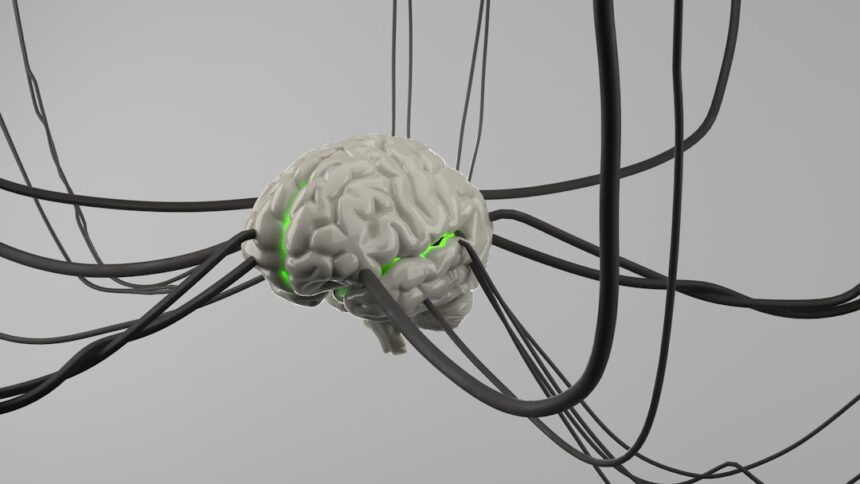
Medical illustration of spinal cord stimulation device for stroke rehabilitation therapy
University of Pittsburgh researchers demonstrate that spinal cord stimulation can improve arm and hand function in chronic stroke survivors, even years after injury, challenging traditional recovery timelines. — Photo: Bhautik Patel / Pexels
SHARE
1 min read|150 words

A landmark pilot clinical trial from the University of Pittsburgh School of Medicine reveals compelling long-term outcomes for spinal cord stimulation in chronic stroke rehabilitation. The research, published in Nature Medicine, tracked sustained motor improvements across a four-year follow-up period—a duration that far exceeds traditional stroke recovery expectations.

Conventional stroke rehabilitation typically plateaus within six months of injury, leaving millions of chronic stroke survivors with limited treatment options. The University of Pittsburgh team’s findings challenge this paradigm, demonstrating that electrical stimulation of spinal circuits controlling arm and hand function produces durable benefits well into the chronic phase. These results represent a paradigm shift in understanding neuroplasticity and therapeutic windows for stroke recovery. The sustained improvements documented over four years suggest that strategic neuromodulation can reactivate dormant neural pathways, opening new avenues for patients previously considered beyond the scope of meaningful rehabilitation intervention.

Read the full article on GMJ Newsroom.

Was this article helpful?

GMJ Brief · Key Finding

📰 Read the full article: Spinal Cord Stimulation Shows Promise for Chronic Stroke Recovery After Four Years →

Related reference
  • Stroke · Condition
Share This Article
Facebook LinkedIn Bluesky Copy Link Print
GMJ
ByProf. Giorgi Pkhakadze
Follow:
Prof. Giorgi Pkhakadze, MD, MPH, PhD, is Editor-in-Chief of the Georgian Medical Journal and Chair of the Public Health Institute of Georgia (PHIG). He is Professor and Head of the Department of Social and Behavioural Sciences at David Tvildiani Medical University, and Secretary/Treasurer of the UEMS Section of Public Health. ORCID: 0000-0001-7609-4515.

Submit Your Paper →

Georgia's peer-reviewed open-access medical journal. No APC until January 2027.
Submit Manuscript →
Oxford Study Unravels Inflammatory Bowel Disease as Multiple Distinct Conditions

Oxford-led research reveals IBD comprises multiple distinct diseases with different mechanisms. Discovery…

Surgical Menopause Linked to Severe Urogenital Symptoms Compared to Natural Menopause

New research shows surgical menopause leads to more severe genitourinary symptoms than…

European Drug Pricing Pressures Rise as U.S. Policy Ripple Effects Spread Across Markets

European countries are adopting divergent pharmaceutical pricing policies, creating market complexity and…

Submit Your Paper to GMJ

No APC until January 2027.
Submit Manuscript →

You Might Also Like

Medical illustration showing muscle metabolism activation for diabetes treatment

Direct Comparison: How New Diabetes Pill Differs from Ozempic’s Mechanism

By
Prof. Giorgi Pkhakadze
22/06/2026
Scientific illustration showing multiple treatment pathways being tested simultaneously in platform trials

Platform Trials Offer New Hope for Accelerating Neurological Disease Breakthroughs

By
Prof. Giorgi Pkhakadze
07/06/2026
Brain imaging comparison showing accelerated aging in polluted urban environments versus protected rural areas

Poverty and Pollution Override Genetic Protection Against Dementia, Study Finds

By
Prof. Giorgi Pkhakadze
21/06/2026
MHRA medical device exceptional use authorisations registry documentation

MHRA Enhances Regulatory Transparency with Updated Exceptional Use Authorisation Registry

By
Prof. Giorgi Pkhakadze
24/06/2026
Facebook Twitter Youtube Instagram
Company
  • Privacy Policy
  • Contact US
  • GMJ Journal
  • Submit Manuscript
  • Editorial Team
  • Register at GMJ
  • Terms of Use

Subscribe to GMJ News — Click here

Join Community
© 2026 Georgian Medical Journal (GMJ). Published by the Public Health Institute of Georgia (PHIG). All rights reserved.
Welcome Back!

Sign in to your account

Username or Email Address
Password

Lost your password?

Not a member? Sign Up