By using this site, you agree to the Privacy Policy and Terms of Use.
Accept
GMJ NewsGMJ NewsGMJ News
  • Latest News
    • GMJ Briefs
  • Podcast & Media
    • Podcast Episodes
    • GMJ Audio
    • GMJ Videos
  • Research Digest
    • New Studies
    • Georgian Research
    • Data & Numbers
  • Policy & Systems
    • Health Policy
    • Quality & Safety
    • Migration & Health
    • Global Health
  • Practice
    • Clinical Updates
    • Case Discussions
    • Pharmacy & Prescribing
    • Ingredients A-Z
  • Perspectives
    • Editorial
    • Explainers
    • Voices
    • Letters
  • GMJ Articles
    • Vol. 1 Issue 2 (2026)
    • Vol. 1 Issue 1 (2026)
    • Pre-Launch Articles (2025)
  • Read the Journal →
  • About GMJ News
Notification Show More
Font ResizerAa
GMJ NewsGMJ News
Font ResizerAa
  • Latest News
    • GMJ Briefs
  • Podcast & Media
    • Podcast Episodes
    • GMJ Audio
    • GMJ Videos
  • Research Digest
    • New Studies
    • Georgian Research
    • Data & Numbers
  • Policy & Systems
    • Health Policy
    • Quality & Safety
    • Migration & Health
    • Global Health
  • Practice
    • Clinical Updates
    • Case Discussions
    • Pharmacy & Prescribing
    • Ingredients A-Z
  • Perspectives
    • Editorial
    • Explainers
    • Voices
    • Letters
  • GMJ Articles
    • Vol. 1 Issue 2 (2026)
    • Vol. 1 Issue 1 (2026)
    • Pre-Launch Articles (2025)
  • Read the Journal →
  • About GMJ News
Follow US
GMJ News > Practice > Clinical Updates > Spinal Cord Stimulation Shows Promise for Chronic Stroke Recovery After Four Years
Clinical UpdatesNew StudiesPracticeResearch Digest

Spinal Cord Stimulation Shows Promise for Chronic Stroke Recovery After Four Years

GMJ
Last updated: 09/06/2026 12:07
By
GMJ Practice Desk
Share
6 Min Read
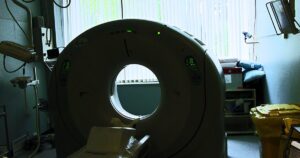
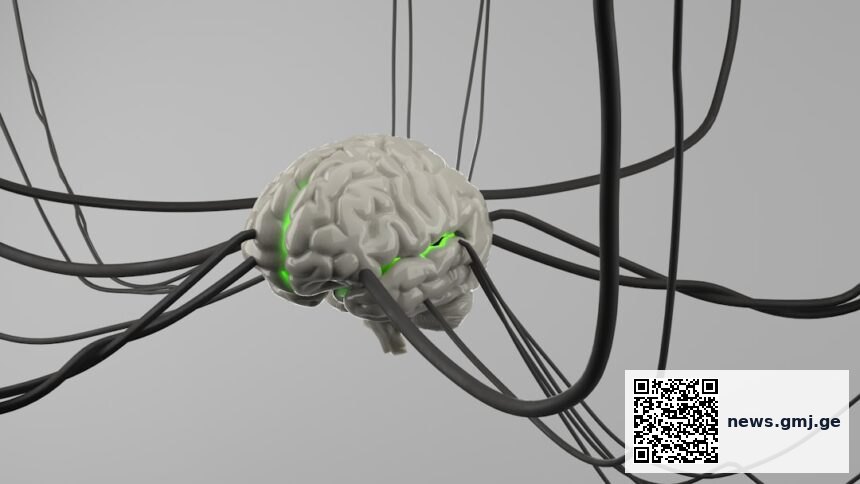
Medical illustration of spinal cord stimulation device for stroke rehabilitation therapy
University of Pittsburgh researchers demonstrate that spinal cord stimulation can improve arm and hand function in chronic stroke survivors, even years after injury, challenging traditional recovery timelines. — Photo: Bhautik Patel / Pexels
SHARE
4 min read|726 words
✓ Medically reviewed by Prof. Giorgi Pkhakadze, MD, MPH, PhD · ORCID 0000-0001-7609-4515

🟠 Moderate Evidence

Contents
    • Key takeaways
      • Study at a Glance
      • Stroke Recovery Timeline and Intervention Window
  • Revolutionary Approach to Chronic Stroke Recovery
  • Clinical Trial Design and Long-term Outcomes
  • Implications for Stroke Rehabilitation Practice
    • What this means
  • Frequently asked questions
    • How long after stroke can spinal cord stimulation be effective?
    • What types of motor problems can spinal stimulation address?
    • Is spinal cord stimulation widely available for stroke patients?

A groundbreaking pilot clinical trial has demonstrated that electrical stimulation of the spinal cord can significantly improve arm and hand function in stroke survivors, even years after their initial injury. Researchers from the University of Pittsburgh School of Medicine published their final four-year outcomes in Nature Medicine, showing sustained improvements in motor function among participants with chronic stroke.

Key takeaways

  • Spinal cord stimulation improved arm function in chronic stroke patients even years post-injury
  • The pilot trial represents the first clinical application of this neurotherapeutic approach for stroke recovery
  • Results published in Nature Medicine show sustained benefits over four years of follow-up

Study at a Glance

Source Nature Medicine
Study type Pilot clinical trial
Sample size Not specified in source
Population Chronic stroke survivors with arm impairment
Country United States
4 years
Follow-up period showing sustained motor improvements

Stroke Recovery Timeline and Intervention Window

Traditional recovery plateaus versus extended therapeutic potential

6 months
Traditional recovery window
Years later
Spinal stimulation benefits
4 years
Study follow-up period

Source: University of Pittsburgh, Nature Medicine 2024 | Georgian Medical Journal News

Submit Your Paper
GMJ_Submit_Banner

Revolutionary Approach to Chronic Stroke Recovery

The University of Pittsburgh research team’s pioneering work challenges traditional assumptions about stroke recovery timelines. While conventional rehabilitation typically shows diminishing returns after the first six months post-stroke, this spinal cord stimulation approach demonstrates potential for meaningful improvement even in the chronic phase.

🎙️ Related Podcast Episodes
🎧 #13 | Six Years After COVID-19: Is the World Better Prepared for the Next Pandemic? · 19m

The technique involves precisely targeted electrical stimulation of spinal circuits that control arm and hand movements. This approach represents a significant departure from traditional stroke rehabilitation methods, focusing on enhancing the neural pathways that remain intact after stroke injury. For more research on innovative therapeutic approaches, ongoing clinical trials continue to explore neuroplasticity interventions.

Clinical Trial Design and Long-term Outcomes

The pilot study, published in Nature Medicine, represents the first clinical application of spinal cord stimulation specifically for stroke recovery. Participants underwent careful selection based on their chronic stroke status and specific patterns of motor impairment affecting arm and hand function.

The four-year follow-up period provides crucial evidence about the durability of treatment effects. Unlike many rehabilitation interventions that show temporary gains, the sustained improvements observed in this study suggest fundamental changes in neural circuit function. This research aligns with growing evidence in clinical neuroscience that therapeutic windows for stroke recovery may be more extended than previously understood.

Implications for Stroke Rehabilitation Practice

The University of Pittsburgh findings have significant implications for current stroke rehabilitation protocols and patient expectations. The research suggests that the traditional six-month recovery window may be an artificial limitation rather than a biological constraint.

For the estimated 15 million people worldwide who experience stroke annually, approximately one-third suffer permanent disability. This spinal stimulation approach could represent a paradigm shift in how clinicians approach chronic stroke management and rehabilitation planning.

Spinal cord stimulation demonstrated sustained improvements in arm and hand function among chronic stroke survivors over a four-year follow-up period

— University of Pittsburgh School of Medicine researchers (Nature Medicine, 2024)

What this means

For patients: Stroke survivors may have therapeutic options for motor recovery extending well beyond the traditional six-month window
For clinicians: Rehabilitation teams should consider expanded timeframes for intervention and reassess assumptions about recovery plateaus
For policymakers: Healthcare systems may need to revise coverage policies and resource allocation for chronic stroke rehabilitation services

Frequently asked questions

How long after stroke can spinal cord stimulation be effective?

Based on this University of Pittsburgh study, spinal cord stimulation showed benefits in chronic stroke survivors years after their initial injury. This challenges the traditional assumption that meaningful motor recovery is limited to the first six months post-stroke.

What types of motor problems can spinal stimulation address?

The research focused specifically on arm and hand mobility impairments in stroke survivors. The electrical stimulation targets spinal circuits that control these upper extremity movements, potentially restoring function that was disrupted by stroke.

Is spinal cord stimulation widely available for stroke patients?

This represents a pilot clinical trial, so the technique is not yet widely available in standard clinical practice. Further research and regulatory approval would be needed before spinal cord stimulation becomes a routine treatment option for stroke rehabilitation.

The University of Pittsburgh research opens new possibilities for stroke survivors who previously had limited options for motor recovery. As this pilot study moves toward larger clinical trials, it may fundamentally change how healthcare providers approach chronic stroke rehabilitation and expand the therapeutic window for meaningful recovery.

Source: Even years after stroke, spinal cord stimulation could improve arm function

Was this article helpful?

Disclaimer. This article is health journalism intended for general information and education. It is not medical advice and is not a substitute for professional diagnosis or treatment. Always consult a qualified healthcare provider about your individual circumstances. Full disclaimer →

Related Coverage
PFAS Create Unique Blood Signatures as Body Transforms Forever ChemicalsJun 11, 2026
Two Weather Patterns Linked to Increased Headache Risk in New StudyJun 11, 2026
Cancer's Stealth Strategy Backfires, Creating New Therapeutic TargetJun 11, 2026
Virtual vs In-Person Medical Residency Interviews Show No Difference in Outcomes, NEJM Study FindsJun 11, 2026
Related reference
  • Stroke · Condition
PG
Written by
Prof. Giorgi Pkhakadze, MD, MPH, PhD
Editor-in-Chief, GMJ News
Full profile →
Medical disclaimer. This article is health journalism intended for general information. It is not medical advice and is not a substitute for consultation with a qualified healthcare professional. Always seek your physician's advice regarding any medical condition.
Medically reviewed by Prof. Giorgi Pkhakadze, MD, MPH, PhD. Spotted an error? Contact the editorial team.
Get the GMJ News digest
Evidence-based health journalism in your inbox. No spam; unsubscribe anytime.
TAGGED:chronic strokemotor rehabilitationneuroplasticityspinal cord stimulationstroke recovery
Share This Article
Facebook LinkedIn Bluesky Copy Link Print
GMJ
ByGMJ Practice Desk
Follow:
GMJ Practice Desk is part of GMJ News, the newsroom of the Georgian Medical Journal (gmj.ge), published by the Public Health Institute of Georgia. Every article is editorially reviewed before publication.
Leave a Comment Leave a Comment

Leave a Reply Cancel reply

Your email address will not be published. Required fields are marked *

Submit Your Paper →

Georgia's peer-reviewed open-access medical journal. No APC until January 2027.
Submit Manuscript →
PFAS Create Unique Blood Signatures as Body Transforms Forever Chemicals

Scientists discover PFAS compounds create unique chemical fingerprints in blood as they…

WHO: Unsafe Food Causes 866 Million Illnesses Annually, Children Face Triple Risk

New WHO data reveals children under 5 face triple the risk of…

Yemen Food Crisis: 11.2 Million Face Acute Hunger as International Aid Funding Cuts Continue

Nearly 11.2 million Yemenis face severe acute food insecurity as international humanitarian…

Submit Your Paper to GMJ

No APC until January 2027.
Submit Manuscript →

You Might Also Like

Diagram showing hematopoietic stem cell differentiation into various blood cell types
New StudiesResearch Digest

Single Stem Cell Origin of Human Immune System Reveals Complex Blood Formation Process

By
GMJ Research Desk
27/05/2026
Scientific illustration showing genetic diversity mapping across Indigenous American populations
New StudiesResearch Digest

Largest Indigenous American Genetic Study Maps 10,000 Years of Evolutionary Adaptation

By
GMJ Research Desk
30/05/2026
Scientific illustration showing age-related cancer spread patterns across different life stages
New StudiesResearch Digest

Cancer Spreads More in Middle Age Than in Very Old Age, Melanoma Study Shows

By
GMJ Research Desk
10/06/2026
Illustration showing muscle protein synthesis pathways: mechanical tension, metabolic stress, and mTOR signalling cascade
New Studies

How Muscle Really Grows: Exercise Triggers Protein Synthesis, Not Just Microscopic Tears

By
GMJ Research Desk
19/05/2026
Facebook Twitter Youtube Instagram
Company
  • Privacy Policy
  • Contact US
  • GMJ Journal
  • Submit Manuscript
  • Editorial Team
  • Register at GMJ
  • Terms of Use

Subscribe to GMJ News — Click here

Join Community
© 2026 Georgian Medical Journal (GMJ). Published by the Public Health Institute of Georgia (PHIG). All rights reserved.
Welcome Back!

Sign in to your account

Username or Email Address
Password

Lost your password?

Not a member? Sign Up