By using this site, you agree to the Privacy Policy and Terms of Use.
Accept
GMJ NewsGMJ NewsGMJ News
  • Latest News
    • GMJ Briefs
  • Podcast & Media
    • Podcast Episodes
    • GMJ Audio
    • GMJ Videos
  • Research Digest
    • New Studies
    • Georgian Research
    • Data & Numbers
  • Policy & Systems
    • Health Policy
    • Quality & Safety
    • Migration & Health
    • Global Health
  • Practice
    • Clinical Updates
    • Case Discussions
    • Pharmacy & Prescribing
    • Ingredients A-Z
  • Perspectives
    • Editorial
    • Explainers
    • Voices
    • Letters
  • GMJ Articles
    • Vol. 1 Issue 2 (2026)
    • Vol. 1 Issue 1 (2026)
    • Pre-Launch Articles (2025)
  • Read the Journal →
  • About GMJ News
Notification Show More
Font ResizerAa
GMJ NewsGMJ News
Font ResizerAa
  • Latest News
    • GMJ Briefs
  • Podcast & Media
    • Podcast Episodes
    • GMJ Audio
    • GMJ Videos
  • Research Digest
    • New Studies
    • Georgian Research
    • Data & Numbers
  • Policy & Systems
    • Health Policy
    • Quality & Safety
    • Migration & Health
    • Global Health
  • Practice
    • Clinical Updates
    • Case Discussions
    • Pharmacy & Prescribing
    • Ingredients A-Z
  • Perspectives
    • Editorial
    • Explainers
    • Voices
    • Letters
  • GMJ Articles
    • Vol. 1 Issue 2 (2026)
    • Vol. 1 Issue 1 (2026)
    • Pre-Launch Articles (2025)
  • Read the Journal →
  • About GMJ News
Follow US
GMJ News > GMJ Briefs > The Lean Diabetes Paradox: Why Normal Weight Doesn’t Guarantee Protection

The Lean Diabetes Paradox: Why Normal Weight Doesn’t Guarantee Protection

GMJ
Last updated: 26/06/2026 02:07
By
Prof. Giorgi Pkhakadze
Share
1 Min Read
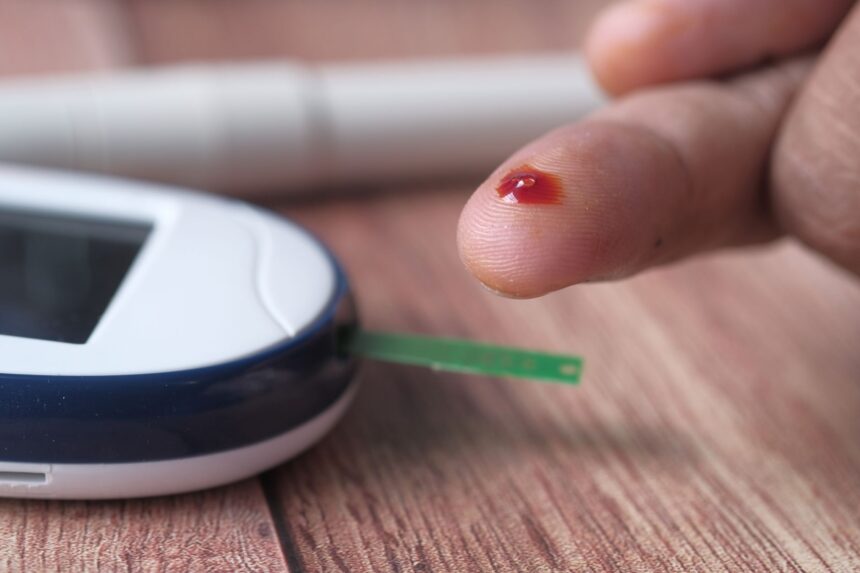
Infographic showing five different metabolic pathways leading to type 2 diabetes diagnosis
European study of 18,567 adults reveals five distinct metabolic pathways leading to type 2 diabetes, challenging traditional prevention approaches. Only 42% follow classic insulin resistance pattern, with remaining 58% requiring different intervention strategies. — Photo: Towfiqu barbhuiya / Pexels
SHARE
1 min read|155 words

A surprising finding from a comprehensive European cohort study reveals an often-overlooked diabetes risk group: individuals who develop type 2 diabetes despite maintaining normal body weight. Representing 5% of diabetes cases tracked across European populations from 2000-2024, this lean diabetes subgroup progresses rapidly and challenges the assumption that weight is the primary determinant of diabetes risk.

This discovery emerged from analysis of 18,567 adults whose metabolic changes were monitored for 5-10 years before diabetes diagnosis. The lean diabetes pathway demonstrates that metabolic dysfunction and beta-cell failure can occur independently of obesity, suggesting that screening protocols and risk stratification tools must expand beyond anthropometric measurements.

Clinicians and public health officials now recognize that individuals with normal BMI may still require intensive metabolic monitoring, particularly those showing other markers of metabolic dysfunction. This finding underscores the importance of comprehensive metabolic assessment rather than reliance on weight-based risk assessment alone in diabetes prevention programs.

Read the full article on GMJ Newsroom.

Submit Your Paper
GMJ_Submit_Banner

Was this article helpful?

GMJ Brief · Key Finding

📰 Read the full article: Five Distinct Diabetes Development Patterns Identified Years Before Diagnosis →

Related reference
  • Type 2 Diabetes · Condition
  • Obesity · Condition
Share This Article
Facebook LinkedIn Bluesky Copy Link Print
GMJ
ByProf. Giorgi Pkhakadze
Follow:
Prof. Giorgi Pkhakadze, MD, MPH, PhD, is Editor-in-Chief of the Georgian Medical Journal and Chair of the Public Health Institute of Georgia (PHIG). He is Professor and Head of the Department of Social and Behavioural Sciences at David Tvildiani Medical University, and Secretary/Treasurer of the UEMS Section of Public Health. ORCID: 0000-0001-7609-4515.

Submit Your Paper →

Georgia's peer-reviewed open-access medical journal. No APC until January 2027.
Submit Manuscript →
Tranexamic Acid Reduces Blood Transfusions by 11% in Major Surgery

Large randomized trial shows tranexamic acid reduces blood transfusions by 11% in…

CRISPR Gene Therapy Shows Promise for Children with Sickle Cell Disease and Beta-Thalassemia

CRISPR gene therapy exa-cel achieved 95% efficacy in eliminating blood transfusions for…

Uganda Reports First Bundibugyo Virus Case in 2026 with Complete Genomic Sequencing

Ugandan researchers document first 2026 Bundibugyo virus case with complete genomic sequencing,…

Submit Your Paper to GMJ

No APC until January 2027.
Submit Manuscript →

You Might Also Like

Automated compounding system with syringe labels in hospital pharmacy setting

Class II Recall Alert: Omnicell i.v.STATION Label Detection System Poses Patient Safety Risk

By
Prof. Giorgi Pkhakadze
08/06/2026
Medical illustration showing Chiari malformation brain anatomy and surgical decompression procedure

Landmark 394-Patient Trial Establishes Gold Standard for Chiari Malformation Surgery

By
Prof. Giorgi Pkhakadze
04/06/2026
Amish community healthcare practices and public health policy considerations

370,000 Amish Community Members Challenge Traditional Healthcare Models

By
Prof. Giorgi Pkhakadze
21/06/2026
Health PolicyPolicy & Systems

Healthcare Systems Face ‘Moral Emergency’ as Human Connection Erodes Despite Technical Advances

By
Prof. Giorgi Pkhakadze
26/05/2026
Facebook Twitter Youtube Instagram
Company
  • Privacy Policy
  • Contact US
  • GMJ Journal
  • Submit Manuscript
  • Editorial Team
  • Register at GMJ
  • Terms of Use

Subscribe to GMJ News — Click here

Join Community
© 2026 Georgian Medical Journal (GMJ). Published by the Public Health Institute of Georgia (PHIG). All rights reserved.
Welcome Back!

Sign in to your account

Username or Email Address
Password

Lost your password?

Not a member? Sign Up