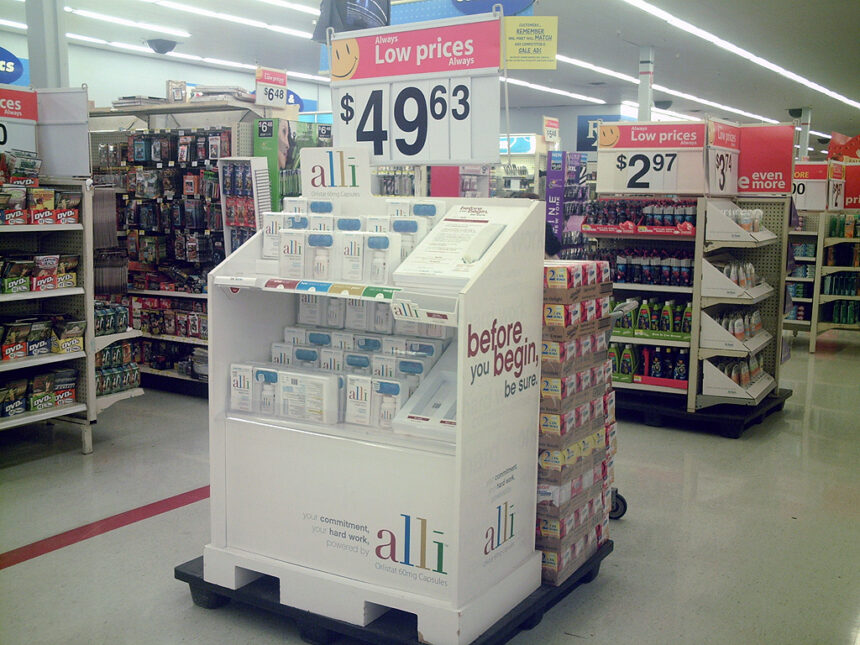
The US Food and Drug Administration has mandated new labeling requirements for alli (orlistat) 60 mg capsules, the only FDA-approved over-the-counter weight loss medication. The updated Drug Facts Label now includes warnings about acute kidney injury and kidney stone formation, marking the first major safety communication update for the drug since its OTC approval.
Key takeaways
- FDA requires new kidney injury warnings on alli weight loss drug labels
- Acute kidney injury identified as rare but serious side effect of orlistat
- Consumers must now consult healthcare providers before use if they have kidney disease history
OTC Weight Loss Drug Safety Requirements
New FDA labeling mandates for alli (orlistat), 2024
Source: FDA Safety Communication, 2024 | Georgian Medical Journal News
Kidney Safety Warnings Added to Popular Weight Loss Drug
The FDA’s safety communication specifically addresses acute kidney injury as a rare but serious adverse effect associated with orlistat use. According to the FDA’s drug safety database, cases of kidney injury have been reported in patients taking both prescription (Xenical 120 mg) and over-the-counter (alli 60 mg) formulations of orlistat.

The updated labeling requires consumers to “ask a health care provider before use” if they have a history of kidney stones or kidney disease. This represents a significant change from previous labeling that did not include specific kidney-related contraindications for over-the-counter use.
Clinical Evidence Behind the Safety Update
Orlistat works by blocking approximately 30% of dietary fat absorption in the intestines, leading to reduced caloric intake and weight loss. However, post-market surveillance data compiled by the FDA’s MedWatch system identified patterns of kidney injury that prompted this labeling revision.
The mechanism linking orlistat to kidney injury likely involves changes in oxalate metabolism and calcium absorption, which can contribute to kidney stone formation and subsequent kidney damage. Healthcare providers have been advised to monitor patients for signs of kidney dysfunction when prescribing or recommending orlistat therapy through clinical practice updates.
Cases of acute kidney injury have been reported in patients taking both prescription and over-the-counter formulations of orlistat
— FDA Safety Communication (2024)
Implications for Weight Management Practice
This labeling change affects millions of Americans who use alli as part of their weight management strategy. The drug remains available without prescription, but the enhanced warnings require consumers to make more informed decisions about its use, particularly those with pre-existing kidney conditions.
Healthcare providers must now consider kidney function assessment before recommending orlistat, especially for patients with diabetes, hypertension, or other conditions that increase kidney injury risk. The CDC estimates that over 70% of American adults are overweight or obese, making this safety update relevant to a substantial population seeking weight loss interventions.
What this means
Frequently asked questions
Is alli still safe to use for weight loss?
Yes, alli remains FDA-approved for OTC weight loss when used as directed. The new labeling provides important safety information to help consumers make informed decisions about use, particularly those with kidney disease risk factors.
What are the signs of kidney injury to watch for?
Symptoms may include decreased urination, swelling in legs or feet, fatigue, nausea, or back pain. Anyone experiencing these symptoms while taking alli should discontinue use and seek medical attention immediately.
Do I need to see a doctor before buying alli?
The new labeling recommends consulting a healthcare provider before use if you have a history of kidney stones or kidney disease. Otherwise, alli remains available without prescription for appropriate candidates.
The FDA’s proactive approach to updating OTC drug labeling demonstrates the importance of ongoing safety monitoring even for established medications. As weight management remains a critical public health priority, ensuring the safety profile of available interventions protects consumers while maintaining access to effective treatments.
Was this article helpful?
Disclaimer. This article is health journalism intended for general information and education. It is not medical advice and is not a substitute for professional diagnosis or treatment. Always consult a qualified healthcare provider about your individual circumstances. Full disclaimer →
Related Coverage




Medically reviewed by Prof. Giorgi Pkhakadze, MD, MPH, PhD. Spotted an error? Contact the editorial team.