By using this site, you agree to the Privacy Policy and Terms of Use.
Accept
GMJ NewsGMJ NewsGMJ News
  • Latest News
    • GMJ Briefs
  • Podcast & Media
    • Podcast Episodes
    • GMJ Audio
    • GMJ Videos
  • Research Digest
    • New Studies
    • Georgian Research
    • Data & Numbers
  • Policy & Systems
    • Health Policy
    • Quality & Safety
    • Migration & Health
    • Global Health
  • Practice
    • Clinical Updates
    • Case Discussions
    • Pharmacy & Prescribing
    • Ingredients A-Z
  • Perspectives
    • Editorial
    • Explainers
    • Voices
    • Letters
  • GMJ Articles
    • Vol. 1 Issue 2 (2026)
    • Vol. 1 Issue 1 (2026)
    • Pre-Launch Articles (2025)
  • Read the Journal →
  • About GMJ News
Notification Show More
Font ResizerAa
GMJ NewsGMJ News
Font ResizerAa
  • Latest News
    • GMJ Briefs
  • Podcast & Media
    • Podcast Episodes
    • GMJ Audio
    • GMJ Videos
  • Research Digest
    • New Studies
    • Georgian Research
    • Data & Numbers
  • Policy & Systems
    • Health Policy
    • Quality & Safety
    • Migration & Health
    • Global Health
  • Practice
    • Clinical Updates
    • Case Discussions
    • Pharmacy & Prescribing
    • Ingredients A-Z
  • Perspectives
    • Editorial
    • Explainers
    • Voices
    • Letters
  • GMJ Articles
    • Vol. 1 Issue 2 (2026)
    • Vol. 1 Issue 1 (2026)
    • Pre-Launch Articles (2025)
  • Read the Journal →
  • About GMJ News
Follow US
GMJ News > GMJ Briefs > Eswatini Charts Course for Malaria-Free Status by End of Decade

Eswatini Charts Course for Malaria-Free Status by End of Decade

GMJ
Last updated: 22/06/2026 10:47
By
Prof. Giorgi Pkhakadze
Share
1 Min Read
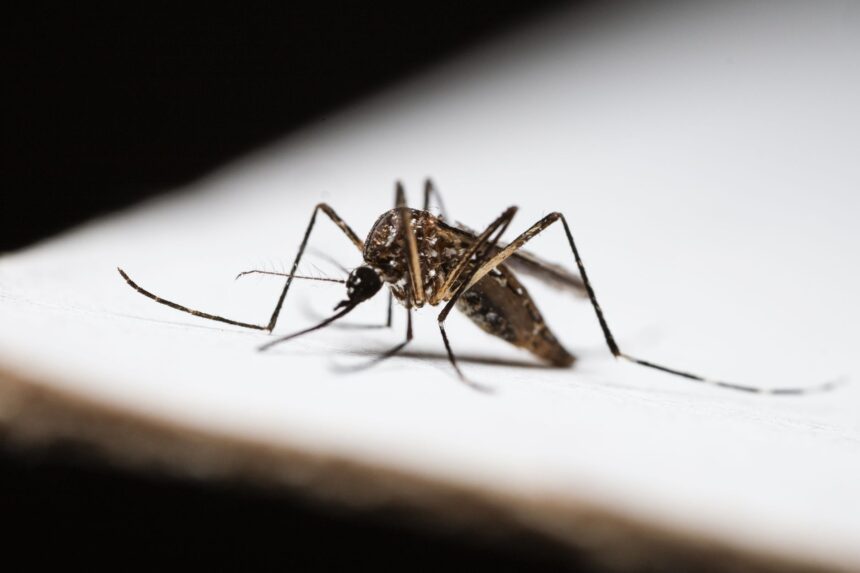
Map showing malaria elimination progress in Africa with Eswatini highlighted
Eswatini targets malaria elimination by 2028 as WHO reports 2.3 billion cases averted globally since 2000. The country has reduced transmission to very low levels, with most cases now imported. — Photo by Ignacio Vazquez on Pexels (Pexels License)
SHARE
1 min read|131 words

Eswatini has announced an ambitious public health target: complete malaria elimination by 2028, positioning the southern African nation among the continent’s most promising success stories in disease control. The announcement comes as the World Health Organization celebrates unprecedented global progress, with 47 countries now certified malaria-free and sustained international commitment yielding measurable results.

Since 2000, coordinated global malaria control efforts have averted 2.3 billion cases and prevented 14 million deaths—a testament to the effectiveness of evidence-based interventions including insecticide-treated nets, indoor residual spraying, and artemisinin-based combination therapies. Eswatini’s elimination target reflects growing confidence that malaria eradication is achievable with adequate resources, political will, and sustained public health infrastructure. The country’s progress demonstrates that elimination, once considered aspirational, is now within reach for motivated nations across diverse epidemiological settings.

Read the full article on GMJ Newsroom.

Was this article helpful?
GMJ Brief · Announcement

📰 Read the full article: Eswatini Targets Malaria Elimination by 2028 as WHO Reports 2.3 Billion Cases Averted Since 2000 →

Related reference
  • Malaria · Condition
Share This Article
Facebook LinkedIn Bluesky Copy Link Print
GMJ
ByProf. Giorgi Pkhakadze
Follow:
Prof. Giorgi Pkhakadze, MD, MPH, PhD, is Editor-in-Chief of the Georgian Medical Journal and Chair of the Public Health Institute of Georgia (PHIG). He is Professor and Head of the Department of Social and Behavioural Sciences at David Tvildiani Medical University, and Secretary/Treasurer of the UEMS Section of Public Health. ORCID: 0000-0001-7609-4515.

Submit Your Paper →

Georgia's peer-reviewed open-access medical journal. No APC until January 2027.
Submit Manuscript →
Global Animal Disease Control Reaches Major Milestone as WOAH Announces New Health Status Recognitions

WOAH marks 30 years of its animal health recognition programme with new…

New Blood Test Could Cut Endometriosis Diagnosis Time From 8 Years to Months

New blood test technology could reduce endometriosis diagnosis time from the current…

Stanford Patients Guide AI Implementation Through Direct Feedback Panels

Stanford Health Care's patient feedback panels have evaluated six AI tools since…

Submit Your Paper to GMJ

No APC until January 2027.
Submit Manuscript →

You Might Also Like

PHEIC Declaration: Ebola Cross-Border Transmission DRC-Uganda

By
Prof. Giorgi Pkhakadze
31/05/2026
Medical illustration showing hepatitis B virus and treatment breakthrough concept

Data Snapshot: GSK Drug Achieves 18-Fold Improvement in Hepatitis B Functional Cure Rates

By
Prof. Giorgi Pkhakadze
11/06/2026
Brain imaging visualization showing metabolic activity patterns in anxiety disorders research

Brain Imaging Meta-Analysis Uncovers Opposite Metabolic Patterns in Anxiety Versus Other Psychiatric Disorders

By
Prof. Giorgi Pkhakadze
09/06/2026
Chart showing distribution of nicotine cognitive research by population type

The Nicotine Paradox: Millions Seek Cognitive Enhancement With Zero Evidence

By
Prof. Giorgi Pkhakadze
02/06/2026
Facebook Twitter Youtube Instagram
Company
  • Privacy Policy
  • Contact US
  • GMJ Journal
  • Submit Manuscript
  • Editorial Team
  • Register at GMJ
  • Terms of Use

Subscribe to GMJ News — Click here

Join Community
© 2026 Georgian Medical Journal (GMJ). Published by the Public Health Institute of Georgia (PHIG). All rights reserved.
Welcome Back!

Sign in to your account

Username or Email Address
Password

Lost your password?

Not a member? Sign Up