By using this site, you agree to the Privacy Policy and Terms of Use.
Accept
GMJ NewsGMJ NewsGMJ News
  • Latest News
    • GMJ Briefs
  • Podcast & Media
    • Podcast Episodes
    • GMJ Audio
    • GMJ Videos
  • Research Digest
    • New Studies
    • Georgian Research
    • Data & Numbers
  • Policy & Systems
    • Health Policy
    • Quality & Safety
    • Migration & Health
    • Global Health
  • Practice
    • Clinical Updates
    • Case Discussions
    • Pharmacy & Prescribing
    • Ingredients A-Z
  • Perspectives
    • Editorial
    • Explainers
    • Voices
    • Letters
  • GMJ Articles
    • Vol. 1 Issue 2 (2026)
    • Vol. 1 Issue 1 (2026)
    • Pre-Launch Articles (2025)
  • Read the Journal →
  • About GMJ News
Notification Show More
Font ResizerAa
GMJ NewsGMJ News
Font ResizerAa
  • Latest News
    • GMJ Briefs
  • Podcast & Media
    • Podcast Episodes
    • GMJ Audio
    • GMJ Videos
  • Research Digest
    • New Studies
    • Georgian Research
    • Data & Numbers
  • Policy & Systems
    • Health Policy
    • Quality & Safety
    • Migration & Health
    • Global Health
  • Practice
    • Clinical Updates
    • Case Discussions
    • Pharmacy & Prescribing
    • Ingredients A-Z
  • Perspectives
    • Editorial
    • Explainers
    • Voices
    • Letters
  • GMJ Articles
    • Vol. 1 Issue 2 (2026)
    • Vol. 1 Issue 1 (2026)
    • Pre-Launch Articles (2025)
  • Read the Journal →
  • About GMJ News
Follow US
GMJ News > Policy & Systems > Global Health > Global Animal Disease Control Reaches Major Milestone as WOAH Announces New Health Status Recognitions
Global HealthPolicy & Systems

Global Animal Disease Control Reaches Major Milestone as WOAH Announces New Health Status Recognitions

GMJ
Last updated: 20/06/2026 11:06
By
GMJ Policy Desk
Share
5 Min Read
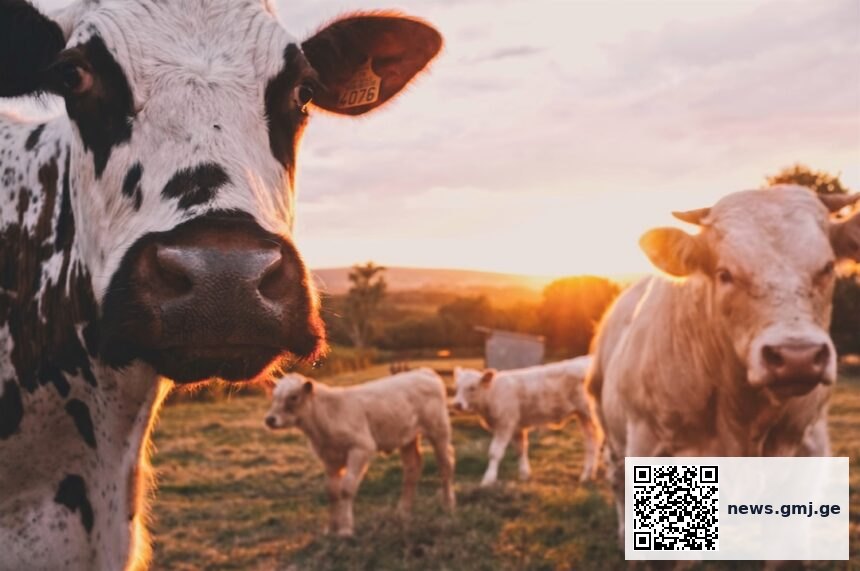
WOAH animal health status recognition programme milestone infographicIllustrative image · Photo by Stijn te Strake on Unsplash (Unsplash License)
WOAH marks 30 years of its animal health recognition programme with new standards that strengthen global disease surveillance. The programme has granted over 150 official recognitions, supporting $200+ billion in annual global trade. — Photo by Stijn te Strake on Unsplash (Unsplash License)
SHARE
🎧 Listen to this article4:36 min · 643 words · GMJ Audio
3 min read|643 words

The World Organisation for Animal Health (WOAH) has announced significant progress in global animal disease control, marking three decades of the organisation’s animal health status recognition programme. These achievements represent critical advances in protecting both animal welfare and public health through systematic disease surveillance and control measures.

Contents
      • Global Animal Disease Control Progress
  • Three Decades of Disease Surveillance Excellence
  • New Recognition Standards Strengthen Global Preparedness
  • Impact on International Trade and Food Security
    • Key takeaways
  • Frequently asked questions
    • What diseases does WOAH monitor through its recognition programme?
    • How does disease-free status recognition affect international trade?
    • Why is the One Health approach important for animal disease control?
30 years
of WOAH animal health status recognition programme achievements

Global Animal Disease Control Progress

Key milestones in WOAH’s 30-year animal health recognition programme

182
WOAH member
countries
150+
disease status
recognitions
12
priority
diseases monitored

Source: WOAH, 2024 | Georgian Medical Journal News

Three Decades of Disease Surveillance Excellence

The World Organisation for Animal Health has been at the forefront of global animal disease control since establishing its recognition programme in 1994. The initiative systematically evaluates countries’ capabilities to prevent, detect, and control priority animal diseases that pose significant threats to both animal and human health.

Submit Your Paper
GMJ_Submit_Banner

This comprehensive approach has strengthened veterinary services worldwide, with particular focus on diseases such as foot-and-mouth disease, bovine spongiform encephalopathy, and avian influenza. The programme’s success demonstrates the critical importance of international cooperation in maintaining global health security.

🎙️ Related Podcast Episodes
🎧 #26 | Denmark Becomes First EU Country to Eliminate Mother-to-Child Transmission of HIV and · 14m
🎧 #21 | WHO Issues New Guidance on Novel Snakebite Treatments · 14m
🎧 #17 | WHO: Global Population Requiring Trachoma Interventions Falls Below 100 Million · 16m
🎧 #8 | WHO Food Safety Surveillance: Strengthening Global Systems to Detect and Prevent Foodborne Diseases · 19m
🎧 #27 | WHO Calls for Environmentally Friendly and Less Invasive Oral Health Care · 21m

New Recognition Standards Strengthen Global Preparedness

Recent announcements from WOAH include updated criteria for disease-free status recognition, reflecting advances in diagnostic capabilities and surveillance technologies. These enhanced standards ensure that recognised countries maintain robust monitoring systems capable of rapid disease detection and response.

The updated framework emphasises the One Health approach, recognising the interconnection between animal health, human health, and environmental factors. This integrated perspective has become increasingly important as emerging infectious diseases continue to pose global threats, with approximately 75% of new infectious diseases originating from animals according to WHO estimates.

Impact on International Trade and Food Security

WOAH’s recognition programme directly influences international trade in animals and animal products, valued at over $200 billion annually according to FAO data. Countries with recognised disease-free status gain preferential access to global markets, incentivising investment in veterinary infrastructure and surveillance systems.

The programme’s success has contributed to significant reductions in disease burden across participating countries. This progress supports food security initiatives and rural livelihoods while reducing the risk of cross-border disease transmission that could threaten both animal and human populations.

The 30-year evolution of WOAH’s animal health recognition programme has established the global framework for systematic disease control, with over 150 official recognitions granted to countries demonstrating excellence in veterinary surveillance and response capabilities.

— World Organisation for Animal Health (WOAH Annual Report, 2024)

Key takeaways

  • WOAH’s 30-year recognition programme has granted over 150 official disease status recognitions to countries worldwide
  • Updated standards emphasise One Health approaches linking animal, human, and environmental health
  • Recognition status directly impacts $200+ billion annual global trade in animals and animal products
  • Enhanced surveillance capabilities support early detection of diseases with pandemic potential

Frequently asked questions

What diseases does WOAH monitor through its recognition programme?

WOAH monitors 12 priority animal diseases including foot-and-mouth disease, bovine spongiform encephalopathy, avian influenza, and African swine fever. These diseases pose significant threats to animal health, food security, and in some cases, human health through zoonotic transmission.

How does disease-free status recognition affect international trade?

Countries with WOAH-recognised disease-free status gain preferential access to international markets for animal products. This recognition demonstrates robust veterinary surveillance systems and reduces trade barriers, supporting the $200+ billion annual global trade in animals and animal products.

Why is the One Health approach important for animal disease control?

The One Health approach recognises that animal health, human health, and environmental factors are interconnected. Since approximately 75% of emerging infectious diseases originate from animals, integrated surveillance and control measures are essential for preventing disease spillover into human populations.

Looking ahead, WOAH’s recognition programme will continue evolving to address emerging challenges including climate change impacts on disease patterns, antimicrobial resistance, and the need for enhanced pandemic preparedness. The programme’s success over three decades provides a robust foundation for strengthening global health security through systematic animal disease control and international cooperation.

Source: 30 years of WOAH animal health status: new recognitions announced

Was this article helpful?

Disclaimer. This article is health journalism intended for general information and education. It is not medical advice and is not a substitute for professional diagnosis or treatment. Always consult a qualified healthcare provider about your individual circumstances. Full disclaimer →

Related Coverage
WHO Launches Third Cohort of Women Leaders Programme for Neglected Tropical DiseasesJun 23, 2026
Lyme disease cases surge 22% in England as tick populations expandJun 22, 2026
Edinburgh Physicians Challenge Wood Burning Industry's Health Claims After Lobbying InvestigationJun 22, 2026
South Sudan Food Crisis: 7.8 Million Face Acute Hunger as Child Malnutrition Reaches Critical LevelsJun 22, 2026
Related reference
  • Iron · Ingredient
PG
Written by
Prof. Giorgi Pkhakadze, MD, MPH, PhD
Editor-in-Chief, GMJ News
Full profile →  ·  ORCID 0000-0001-7609-4515
Medical disclaimer. This article is health journalism intended for general information. It is not medical advice and is not a substitute for consultation with a qualified healthcare professional. Always seek your physician's advice regarding any medical condition.
Medically reviewed by Prof. Giorgi Pkhakadze, MD, MPH, PhD. Spotted an error? Contact the editorial team.

Get the GMJ News digest
Evidence-based health journalism in your inbox. No spam; unsubscribe anytime.
TAGGED:animal healthdisease surveillanceglobal-healthOne HealthWOAH
Share This Article
Facebook LinkedIn Bluesky Copy Link Print
GMJ
ByGMJ Policy Desk
Follow:
GMJ Policy Desk is part of GMJ News, the newsroom of the Georgian Medical Journal (gmj.ge), published by the Public Health Institute of Georgia. Every article is editorially reviewed before publication.
Leave a Comment Leave a Comment

Leave a Reply Cancel reply

Your email address will not be published. Required fields are marked *

Submit Your Paper →

Georgia's peer-reviewed open-access medical journal. No APC until January 2027.
Submit Manuscript →
WHO Launches Third Cohort of Women Leaders Programme for Neglected Tropical Diseases

WHO's Regional Office for Africa has selected seven mid-career African women for…

New Blood Test Could Cut Endometriosis Diagnosis Time From 8 Years to Months

New blood test technology could reduce endometriosis diagnosis time from the current…

Stanford Patients Guide AI Implementation Through Direct Feedback Panels

Stanford Health Care's patient feedback panels have evaluated six AI tools since…

Submit Your Paper to GMJ

No APC until January 2027.
Submit Manuscript →

You Might Also Like

UK pharmaceutical manufacturing facility with MHRA regulatory approval documentationPhoto by Pilan Filmes on Pexels (Pexels License)
Health PolicyPolicy & Systems

UK Approves 47 New Pharmaceutical Manufacturing and Wholesale Dealer Licences in Latest MHRA Review

By
GMJ Policy Desk
12/06/2026
CDC logo and mpox information materials highlighting political controversy over public health messaging
Health PolicyPolicy & Systems

CDC Mpox Information Page Becomes Target of Political Controversy Over Health Communication

By
GMJ Policy Desk
23/05/2026
Healthcare professional using digital tablet to access public health resources on government platform
Health PolicyPolicy & Systems

UK Launches Comprehensive Digital Public Health Resource Hub for Healthcare Professionals

By
GMJ Policy Desk
24/05/2026
World map showing migration policy implementation rates by regionIllustrative image · Photo by Markus Winkler on Unsplash (Unsplash License)
Migration & HealthPolicy & Systems

Global Migration Governance Shows Critical Implementation Gaps Despite Policy Progress

By
GMJ Policy Desk
20/06/2026
Facebook Twitter Youtube Instagram
Company
  • Privacy Policy
  • Contact US
  • GMJ Journal
  • Submit Manuscript
  • Editorial Team
  • Register at GMJ
  • Terms of Use

Subscribe to GMJ News — Click here

Join Community
© 2026 Georgian Medical Journal (GMJ). Published by the Public Health Institute of Georgia (PHIG). All rights reserved.
Welcome Back!

Sign in to your account

Username or Email Address
Password

Lost your password?

Not a member? Sign Up