By using this site, you agree to the Privacy Policy and Terms of Use.
Accept
GMJ NewsGMJ NewsGMJ News
  • Latest News
    • GMJ Briefs
  • Podcast & Media
    • Podcast Episodes
    • GMJ Audio
    • GMJ Videos
  • Research Digest
    • New Studies
    • Georgian Research
    • Data & Numbers
  • Policy & Systems
    • Health Policy
    • Quality & Safety
    • Migration & Health
    • Global Health
  • Practice
    • Clinical Updates
    • Case Discussions
    • Pharmacy & Prescribing
    • Ingredients A-Z
  • Perspectives
    • Editorial
    • Explainers
    • Voices
    • Letters
  • GMJ Articles
    • Vol. 1 Issue 2 (2026)
    • Vol. 1 Issue 1 (2026)
    • Pre-Launch Articles (2025)
  • Read the Journal →
  • About GMJ News
Notification Show More
Font ResizerAa
GMJ NewsGMJ News
Font ResizerAa
  • Latest News
    • GMJ Briefs
  • Podcast & Media
    • Podcast Episodes
    • GMJ Audio
    • GMJ Videos
  • Research Digest
    • New Studies
    • Georgian Research
    • Data & Numbers
  • Policy & Systems
    • Health Policy
    • Quality & Safety
    • Migration & Health
    • Global Health
  • Practice
    • Clinical Updates
    • Case Discussions
    • Pharmacy & Prescribing
    • Ingredients A-Z
  • Perspectives
    • Editorial
    • Explainers
    • Voices
    • Letters
  • GMJ Articles
    • Vol. 1 Issue 2 (2026)
    • Vol. 1 Issue 1 (2026)
    • Pre-Launch Articles (2025)
  • Read the Journal →
  • About GMJ News
Follow US
GMJ News > Policy & Systems > Global Health > Insulin Remains Inaccessible to Millions Despite Century of Progress
Global HealthHealth PolicyPolicy & Systems

Insulin Remains Inaccessible to Millions Despite Century of Progress

GMJ
Last updated: 13/06/2026 10:46
By
GMJ Policy Desk
Share
5 Min Read
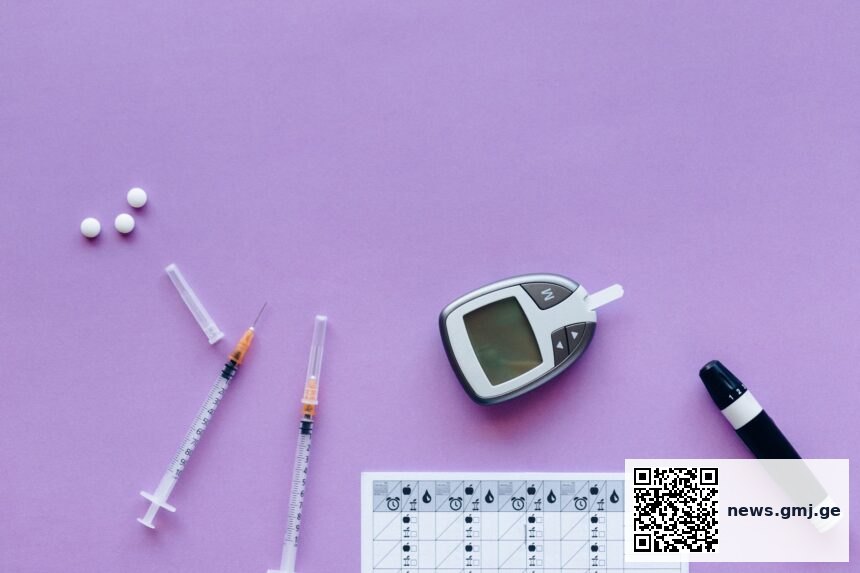
Medical vial of insulin with syringe representing diabetes treatment access challengesIllustrative image · Photo by Nataliya Vaitkevich on Pexels (Pexels License)
More than a century after its discovery, insulin remains inaccessible to millions despite being a WHO essential medicine. Access barriers continue to prevent effective diabetes management globally. — Photo by Nataliya Vaitkevich on Pexels (Pexels License)
SHARE
🎧 Listen to this article4:49 min · 679 words · GMJ Audio
3 min read|679 words
✓ Reviewed by Prof. Giorgi Pkhakadze, MD, MPH, PhD · ORCID 0000-0001-7609-4515

🟠 Moderate Evidence

Contents
    • Key takeaways
      • Global Diabetes Burden and Treatment Access
  • Century-Old Discovery Still Life-Saving
  • Access Barriers Persist in Modern Era
  • Ongoing Innovation and Future Outlook
    • What this means
  • Frequently asked questions
    • Why does insulin access remain limited after 100+ years?
    • How has insulin treatment evolved since 1921?
    • What role does WHO play in insulin access?

More than a century after its discovery transformed diabetes from a fatal diagnosis into a manageable condition, insulin remains out of reach for millions of people worldwide. Despite being included on the World Health Organization’s Essential Medicines List, access barriers continue to prevent effective diabetes management across low- and middle-income countries.

Key takeaways

  • Insulin transformed Type 1 diabetes from a death sentence to a manageable chronic condition following its 1921 discovery
  • Access barriers persist globally despite WHO classification as essential medicine
  • Supply chain and affordability challenges disproportionately affect low- and middle-income countries
105 years
since insulin discovery revolutionized diabetes care

Global Diabetes Burden and Treatment Access

Estimated population affected by diabetes and access challenges, 2026

537m
Adults with diabetes globally
8.4m
Type 1 diabetes cases
50%
Lacking adequate access

Source: International Diabetes Federation, 2022 | Georgian Medical Journal News

Submit Your Paper
GMJ_Submit_Banner

Century-Old Discovery Still Life-Saving

The 1921 discovery of insulin by Frederick Banting, Charles Best, James Collip, and John Macleod at the University of Toronto marked one of medicine’s greatest breakthroughs. Before insulin, Type 1 diabetes carried a grim prognosis, with patients typically surviving only months after diagnosis.

🎙️ Related Podcast Episodes
🎧 #15 | WHO: One in Two People Facing Cataract Blindness Still Need Access to Surgery · 21m
🎧 #53 | GMJ Podcast | Palliative Care in Georgia — Health System Gaps, Access Barriers, and Policy Implications · 16m
🎧 #16 | WHO Prequalifies New Oral Polio Vaccine to Strengthen Global Eradication Efforts · 20m
🎧 #54 | GMJ Podcast | The Blueprint of a Medical Journal: Designing an Open-Access Scientific Platform · 19m
🎧 #23 | WHO: Next-Generation Influenza Vaccines Could Save Millions of Lives · 18m

The World Health Organization estimates that approximately 8.4 million people worldwide live with Type 1 diabetes, requiring daily insulin injections for survival. The hormone enables glucose uptake by cells, preventing the dangerous accumulation of blood sugar that characterizes diabetes.

Access Barriers Persist in Modern Era

Despite insulin’s essential status, significant access challenges remain across global healthcare systems. The WHO Essential Medicines List includes human insulin as a core medicine, yet supply chain disruptions and economic barriers continue to limit availability.

Manufacturing complexities contribute to access challenges, as insulin production requires sophisticated biotechnology processes and cold-chain storage infrastructure. These requirements can strain healthcare systems in resource-limited settings, according to analyses by WHO diabetes experts.

The Global Health community continues to advocate for improved insulin access as part of universal health coverage initiatives.

Ongoing Innovation and Future Outlook

Modern insulin formulations have evolved significantly from the original pancreatic extracts of the 1920s. Today’s synthetic human insulins and analog formulations offer improved glucose control and dosing convenience, though these advances often come with higher costs.

The U.S. Food and Drug Administration has approved biosimilar insulin products to increase market competition and potentially reduce costs. However, implementation of these cost-reduction strategies varies significantly across different healthcare systems and regulatory environments.

Recent initiatives by organizations including WHO’s Global Diabetes Compact aim to address persistent access gaps through coordinated international action on diabetes prevention and care.

Insulin transformed Type 1 diabetes from a uniformly fatal condition to a manageable chronic disease, yet access barriers continue to limit this life-saving treatment for millions worldwide.

— WHO Global Health Observatory, Diabetes Fact Sheet (2022)

What this means

For patients: Advocacy for insulin access remains crucial, with patient organizations playing key roles in policy development and supply chain improvements
For clinicians: Understanding global access challenges helps inform treatment planning and patient counseling, particularly for vulnerable populations
For policymakers: Insulin access represents a fundamental healthcare equity issue requiring coordinated action on pricing, supply chains, and healthcare infrastructure

Frequently asked questions

Why does insulin access remain limited after 100+ years?

Complex manufacturing requirements, cold-chain storage needs, and economic barriers create ongoing access challenges. Supply chain infrastructure limitations particularly affect low- and middle-income countries.

How has insulin treatment evolved since 1921?

Modern synthetic human insulins and analog formulations offer improved glucose control compared to original pancreatic extracts. However, newer formulations often cost more than basic human insulin.

What role does WHO play in insulin access?

WHO includes insulin on its Essential Medicines List and coordinates global diabetes initiatives. The organization’s Global Diabetes Compact aims to improve prevention and care access worldwide.

As the diabetes epidemic continues to grow globally, ensuring equitable insulin access remains a critical public health priority. The remarkable scientific achievement of insulin’s discovery must be matched by equally determined efforts to guarantee its availability for all who need this life-saving treatment. International coordination on pricing policies, supply chain strengthening, and healthcare infrastructure development will be essential to bridge persistent access gaps.

Source: Why insulin, the core element of diabetes treatment remains inaccessible for millions of people

Was this article helpful?

Disclaimer. This article is health journalism intended for general information and education. It is not medical advice and is not a substitute for professional diagnosis or treatment. Always consult a qualified healthcare provider about your individual circumstances. Full disclaimer →

Related Coverage

Eswatini Targets Malaria Elimination by 2028 as WHO Reports 2.3 Billion Cases Averted Since 2000Jun 15, 2026
MHRA Reports Progress on Health Equity Through Regulatory ReformJun 15, 2026
FDA Issues 47 Medical Device Safety Alerts in 2024, Highlighting Critical Patient Safety RisksJun 15, 2026
FDA Issues Early Alert for Insulin Pump Leak Risk in Omnipod DevicesJun 15, 2026
Related reference
  • Type 1 Diabetes · Condition
  • Insulin · Drug
  • Iron · Ingredient
PG
Written by
Prof. Giorgi Pkhakadze, MD, MPH, PhD
Editor-in-Chief, GMJ News
Full profile →
Medical disclaimer. This article is health journalism intended for general information. It is not medical advice and is not a substitute for consultation with a qualified healthcare professional. Always seek your physician's advice regarding any medical condition.
Medically reviewed by Prof. Giorgi Pkhakadze, MD, MPH, PhD. Spotted an error? Contact the editorial team.

Get the GMJ News digest
Evidence-based health journalism in your inbox. No spam; unsubscribe anytime.
TAGGED:diabetesglobal-healthhealthcare accessinsulinWHO essential medicines
Share This Article
Facebook LinkedIn Bluesky Copy Link Print
GMJ
ByGMJ Policy Desk
Follow:
GMJ Policy Desk is part of GMJ News, the newsroom of the Georgian Medical Journal (gmj.ge), published by the Public Health Institute of Georgia. Every article is editorially reviewed before publication.
Leave a Comment Leave a Comment

Leave a Reply Cancel reply

Your email address will not be published. Required fields are marked *

Submit Your Paper →

Georgia's peer-reviewed open-access medical journal. No APC until January 2027.
Submit Manuscript →
FDA Issues Recall Alert for Contaminated Saline Nasal Spray Sold on Amazon

Beekeeper's Naturals recalls saline nasal spray lot #5950 due to microbial contamination…

Eswatini Targets Malaria Elimination by 2028 as WHO Reports 2.3 Billion Cases Averted Since 2000

Eswatini targets malaria elimination by 2028 as WHO reports 2.3 billion cases…

UK Health Regulator Issues Class 4 Alert for Denosumab Injection Labelling Error

MHRA issues Class 4 alert for Ponlimsi denosumab after Teva UK reports…

Submit Your Paper to GMJ

No APC until January 2027.
Submit Manuscript →

You Might Also Like

Medical stethoscope over legal documents representing healthcare lawsuits in immigration detention
Migration & HealthPolicy & Systems

Federal lawsuits reveal widespread medical neglect in US immigration detention facilities

By
GMJ Policy Desk
02/06/2026
Medical illustration showing geographic map with lung transplant access indicators across US regions
Health PolicyPolicy & Systems

Geographic Disparities Persist in US Lung Transplant Access Despite Policy Changes

By
GMJ Policy Desk
31/05/2026
NAFDAC laboratory testing bread samples for food safety compliance investigation
Health Policy

NAFDAC Investigation Finds Popular Nigerian Bread Safe Despite Extended Shelf Life

By
GMJ Policy Desk
21/05/2026
Amish community healthcare practices and public health policy considerations
Health PolicyPolicy & Systems

Amish Health Practices Challenge Modern Public Health Assumptions, Expert Analysis Shows

By
GMJ Policy Desk
07/06/2026
Facebook Twitter Youtube Instagram
Company
  • Privacy Policy
  • Contact US
  • GMJ Journal
  • Submit Manuscript
  • Editorial Team
  • Register at GMJ
  • Terms of Use

Subscribe to GMJ News — Click here

Join Community
© 2026 Georgian Medical Journal (GMJ). Published by the Public Health Institute of Georgia (PHIG). All rights reserved.
Welcome Back!

Sign in to your account

Username or Email Address
Password

Lost your password?

Not a member? Sign Up