Updated 14/09/2026
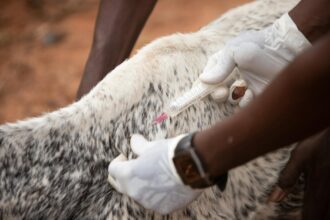
Kenya has adopted a comprehensive local manufacturing strategy for health products and vaccines spanning 2026 to 2030, according to a strategy document published by the World Health Organization’s Africa Regional Office. The initiative aims to build domestic capacity to produce vaccines and essential medicines, reducing the country’s dependence on imports and strengthening supply chain resilience across East Africa.
Key takeaways
- Kenya’s new strategy targets local production of vaccines and health technologies through 2030
- The initiative addresses supply chain vulnerabilities exposed by recent global health crises
- Domestic manufacturing capacity could strengthen vaccine security across the African continent
- The strategy aligns with broader WHO and African Union priorities for regional pharmaceutical independence
Kenya’s Manufacturing Ambition: Strategic Timeline and Scope
Five-year roadmap for vaccine and health product localisation, 2026–2030
Source: WHO Africa Regional Office, 2026 | Georgian Medical Journal News

Building vaccine security from within
Kenya’s new manufacturing strategy represents a shift toward pharmaceutical self-sufficiency in East Africa. The WHO Africa Regional Office published the strategy document to support Kenya’s ambition to establish domestic production capacity for vaccines and health technologies critical to the region’s immunisation programmes.
This initiative responds to documented supply chain vulnerabilities. The COVID-19 pandemic exposed Africa’s reliance on imported vaccines and therapeutics, with delays and inequitable access affecting millions of people across the continent. Kenya’s strategy aims to mitigate these risks by developing in-country production facilities and technical expertise.
Aligning with continental priorities
Kenya’s commitment aligns with the World Health Organization’s broader support for regional pharmaceutical manufacturing hubs. The strategy supports the African Union’s goal to increase domestic production of medicines and vaccines to 60% of continental consumption by 2040, according to WHO guidance on strengthening health systems in Africa.
The five-year roadmap encompasses capacity building, regulatory strengthening, and technology transfer partnerships. Success will require coordination across government, industry, and international partners—a model that the WHO has documented as effective in supporting sustainable local manufacturing in low- and middle-income countries.
Implications for patients, clinicians, and health systems
Kenya’s adoption of a local manufacturing strategy for health products and vaccines (2026–2030) positions East Africa to reduce import dependency and strengthen pandemic preparedness.
— World Health Organization Africa Regional Office, 2026
What this means
Localised vaccine production could improve access to immunisations and reduce delays in health emergencies. Reduced import costs may eventually lower out-of-pocket expenses for vaccines and medicines.
Stable, locally-sourced vaccine supplies strengthen immunisation programme delivery. Healthcare workers can plan vaccination campaigns with greater confidence in product availability and continuity of care.
Domestic manufacturing reduces currency risk and foreign exchange volatility affecting medicine procurement. The strategy supports health security policy objectives and positions Kenya as a manufacturing hub for the African continent.
Regional spillover and sustainability
Kenya’s manufacturing capacity could serve neighbouring East African Community (EAC) member states, creating economies of scale and supporting regional health security. The WHO Africa Regional Office has documented that local manufacturing initiatives in one country often catalyse investment and capacity development across neighbouring regions.
Successful implementation will depend on sustained political commitment, adequate financing, and technical partnerships with established vaccine manufacturers. The strategy document signals Kenya’s readiness to invest in long-term pharmaceutical independence—a critical step toward building resilient health systems that can respond rapidly to disease outbreaks without waiting for distant supply chains.
Frequently asked questions
Why does Kenya need to manufacture its own vaccines?
Import-dependent vaccine supply chains expose countries to delays, cost volatility, and disruption during crises. The COVID-19 pandemic demonstrated that Africa received vaccines months after wealthier regions. Local manufacturing reduces this inequity and strengthens pandemic preparedness, as documented by WHO analyses of African health system resilience.
What vaccines will Kenya produce?
The five-year strategy focuses on vaccines included in Kenya’s national immunisation programme and those in high demand across East Africa. The specific product portfolio is detailed in the full strategy document published by the WHO Africa Regional Office, with emphasis on routine childhood vaccines and emergency response capabilities.
How will Kenya ensure manufacturing quality and safety?
The strategy includes strengthening Kenya’s regulatory framework to meet international quality standards. Regulatory capacity building and Good Manufacturing Practice (GMP) certification are core components, supported by WHO technical guidance on pharmaceutical manufacturing standards.
Kenya’s local manufacturing strategy represents a pivotal moment for East African health security. Over the next five years, the country will invest in facilities, expertise, and partnerships to produce vaccines domestically. If successfully implemented, this initiative could transform Kenya into a regional pharmaceutical powerhouse and model for other African nations seeking to reduce dependence on global supply chains that have repeatedly failed to meet continental needs.
Source: Kenya Health Products and Technologies Local Manufacturing Strategy 2026–2030, World Health Organization Africa Regional Office
🗺️ Find certified Georgian healthcare providers: sheniekimi.ge — Georgia Health Map · 998 clinics · 6,600+ doctors · 2,296 pharmacies
Was this article helpful?
Disclaimer. This article is health journalism intended for general information and education. It is not medical advice and is not a substitute for professional diagnosis or treatment. Always consult a qualified healthcare provider about your individual circumstances. Full disclaimer →
Related Coverage




Editorial standards. This article was produced under the GMJ News editorial process, with oversight by the GMJ Editorial Board. Our editorial process. Spotted an error? Contact the editorial team.