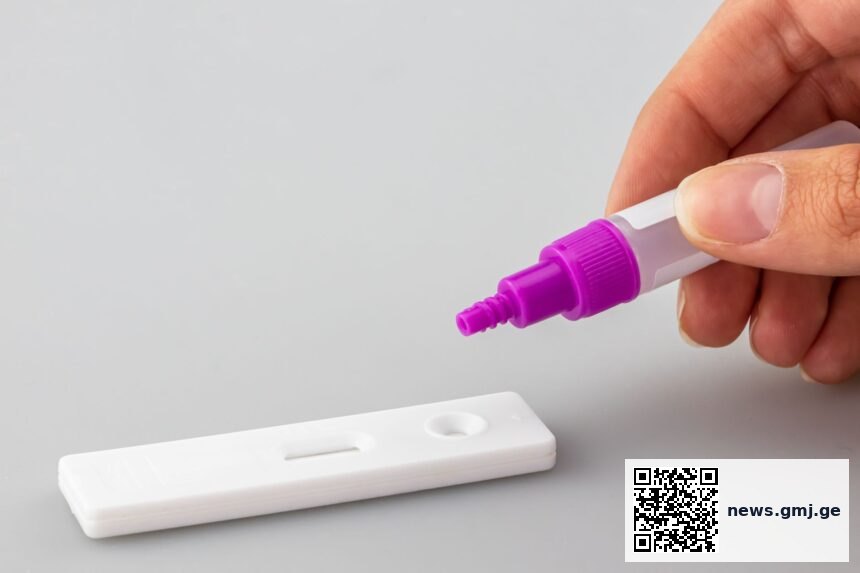
A new molecular diagnostic kit has been developed to enable rapid and simultaneous detection of multiple arboviruses, addressing a critical gap in point-of-care diagnostics for diseases transmitted by mosquitoes and ticks. According to Fiocruz (Fundação Oswaldo Cruz), Brazil’s leading public health research institute, the kit represents an advance in laboratory capacity for arboviral surveillance and clinical diagnosis in endemic regions.
Key takeaways
- A new molecular diagnostic kit enables simultaneous detection of multiple arboviruses in a single sample
- The technology addresses diagnostic delays in arboviral infections, which include dengue, Zika, and chikungunya
- Rapid point-of-care diagnostics improve early case identification and outbreak response in endemic regions
Arboviral Diseases: Global Burden and Detection Challenges
Key arboviruses detected by new molecular platform; rapid diagnosis essential for clinical management
Source: Fiocruz, 2026 | Georgian Medical Journal News
Closing the Diagnostic Gap in Arboviral Testing
Diagnosis of arboviral infections has historically relied on enzyme-linked immunosorbent assays (ELISA) or viral culture, methods that require centralized laboratory infrastructure and produce results over 2–5 days. According to the World Health Organization, dengue alone infects an estimated 100–400 million people annually, yet laboratory confirmation remains delayed in many endemic countries.

The new molecular kit, developed by Fiocruz researchers, employs real-time polymerase chain reaction (RT-PCR) technology to identify viral nucleic acids within hours rather than days. This improvement enables clinicians to confirm diagnosis during the acute phase of illness when antiviral treatment or supportive care decisions are most critical.
Multiplexing: Detecting Multiple Pathogens in One Test
A defining feature of the diagnostic platform is its capacity to detect multiple arboviruses from a single clinical specimen. This multiplexing capability reduces the number of individual tests required and decreases laboratory costs per patient—a significant advantage in resource-limited settings where surveillance systems are underfunded.
The approach also addresses the clinical challenge of differential diagnosis: patients presenting with fever, rash, and arthralgia in endemic regions may have dengue, Zika, chikungunya, or other arboviral infections. Simultaneous detection clarifies the causative agent and informs epidemiological investigations essential for outbreak control.
A new molecular diagnostic platform enables rapid, simultaneous detection of multiple arboviruses, significantly reducing diagnostic turnaround time from 2–5 days to hours—a critical advance for acute-phase clinical management and outbreak investigation in endemic regions.
— Fiocruz Institute for Communicable Disease Surveillance (2026)
Clinical and Epidemiological Implications
In endemic countries, point-of-care arboviral diagnostics strengthen three pillars of disease control: early case detection, clinical triage, and real-time outbreak detection. According to surveillance data from the Pan American Health Organization, delays in diagnostic confirmation often coincide with prolonged hospitalization and delayed implementation of vector control measures.
The new kit is designed for deployment in hospital and district laboratory settings where it can achieve rapid results without requiring highly specialized infrastructure. This positions the technology as a bridge between centralized reference laboratories and resource-constrained endemic regions, where timeliness of diagnosis directly affects patient outcomes and outbreak response.
What this means
Frequently asked questions
How does this molecular kit differ from traditional arboviral diagnostics?
Traditional methods such as ELISA detect antibodies after several days and cannot distinguish between current and past infections. The new RT-PCR-based kit detects viral RNA during the acute phase, producing results within hours and enabling real-time pathogen identification without cross-reactivity issues common in serological tests.
Can the kit be used in non-laboratory settings?
The molecular platform is designed for deployment in hospital and district laboratories with standard RT-PCR infrastructure. While not a true point-of-care test for field use, it requires less sophisticated equipment than reference laboratories and produces results substantially faster than centralized testing.
What is the clinical significance of detecting multiple arboviruses simultaneously?
Simultaneous detection clarifies which arbovirus caused illness, enabling pathogen-specific clinical management and epidemiological investigation. This is especially important in regions where dengue, Zika, and chikungunya circulate concurrently, as each requires distinct surveillance and control strategies.
As clinical diagnostics advance in endemic regions, rapid and accurate arboviral detection will strengthen disease surveillance systems and improve clinical outcomes for millions at risk. The development of this multiplexed molecular kit reflects progress in diagnostic innovation tailored to the epidemiological realities of tropical and subtropical arboviral transmission zones, where speed and accuracy remain essential public health tools.
Source: Molecular Diagnostic Kit for Arbovirus Detection — Fiocruz Institute
Was this article helpful?
Disclaimer. This article is health journalism intended for general information and education. It is not medical advice and is not a substitute for professional diagnosis or treatment. Always consult a qualified healthcare provider about your individual circumstances. Full disclaimer →
Related Coverage
Editorial standards. This article was produced under the GMJ News editorial process, with oversight by the GMJ Editorial Board. Our editorial process. Spotted an error? Contact the editorial team.