By using this site, you agree to the Privacy Policy and Terms of Use.
Accept
GMJ NewsGMJ NewsGMJ News
  • Latest News
    • GMJ Briefs
  • Podcast & Media
    • Podcast Episodes
    • GMJ Audio
    • GMJ Videos
  • Research Digest
    • New Studies
    • Georgian Research
    • Data & Numbers
  • Policy & Systems
    • Health Policy
    • Quality & Safety
    • Migration & Health
    • Global Health
  • Practice
    • Clinical Updates
    • Case Discussions
    • Pharmacy & Prescribing
    • Ingredients A-Z
  • Perspectives
    • Editorial
    • Explainers
    • Voices
    • Letters
  • GMJ Articles
    • Vol. 1 Issue 2 (2026)
    • Vol. 1 Issue 1 (2026)
    • Pre-Launch Articles (2025)
  • Read the Journal →
  • About GMJ News
Notification Show More
Font ResizerAa
GMJ NewsGMJ News
Font ResizerAa
  • Latest News
    • GMJ Briefs
  • Podcast & Media
    • Podcast Episodes
    • GMJ Audio
    • GMJ Videos
  • Research Digest
    • New Studies
    • Georgian Research
    • Data & Numbers
  • Policy & Systems
    • Health Policy
    • Quality & Safety
    • Migration & Health
    • Global Health
  • Practice
    • Clinical Updates
    • Case Discussions
    • Pharmacy & Prescribing
    • Ingredients A-Z
  • Perspectives
    • Editorial
    • Explainers
    • Voices
    • Letters
  • GMJ Articles
    • Vol. 1 Issue 2 (2026)
    • Vol. 1 Issue 1 (2026)
    • Pre-Launch Articles (2025)
  • Read the Journal →
  • About GMJ News
Follow US
GMJ News > Practice > Clinical Updates > The Sandwich Generation: Balancing Child and Elder Care in Modern Healthcare
Clinical UpdatesHealth PolicyPolicy & SystemsPractice

The Sandwich Generation: Balancing Child and Elder Care in Modern Healthcare

GMJ
Last updated: 12/07/2026 13:29
By
GMJ Practice Desk
Share
7 Min Read
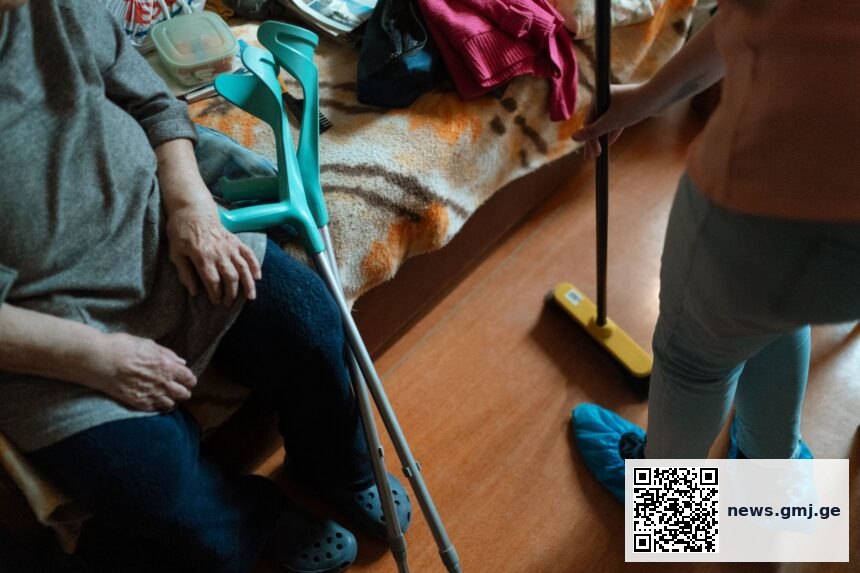
Adult caregiver supporting both child and elderly parent, representing sandwich generation dual caregiving responsibilitiesIllustrative image · Photo by Jsme MILA on Pexels (Pexels License)
The sandwich generation—adults balancing childcare and elder care—faces mounting stress and fragmented support systems. Healthcare providers and policymakers are beginning to recognize caregiver burden as a critical health equity issue requiring integrated clinical screening and expanded community resources. — Photo by Jsme MILA on Pexels (Pexels License)
SHARE
5 min read|935 words
✓ Medically reviewed by Prof. Giorgi Pkhakadze, MD, MPH, PhD · ORCID 0000-0001-7609-4515

Adults caught between raising children and supporting aging parents face mounting physical, emotional, and financial strain. Research published by KFF Health News highlights the growing prevalence of this “sandwich generation” demographic and the critical gap in accessible support systems across healthcare and social services infrastructure.

Contents
    • Key takeaways
      • Caregiving responsibilities across generations
  • Who is the sandwich generation?
  • Mental health and burnout risk
  • Available support systems and geographic disparities
  • Clinical and policy implications
    • What this means
  • Frequently asked questions
    • What defines the sandwich generation?
    • Where can sandwich generation caregivers find mental health support?
    • Are there financial benefits available to sandwich generation caregivers?

Key takeaways

  • Sandwich generation adults manage simultaneous caregiving for dependent children and aging parents, creating dual financial and emotional strain
  • Mental health impacts include elevated stress, anxiety, and risk of burnout among primary caregivers
  • Structured resources—from counseling services to financial planning support—remain unevenly distributed across healthcare systems
  • Regional variations in caregiver support mean access depends heavily on geographic location and insurance coverage
Millions
of American adults simultaneously balance childcare responsibilities and elder care for aging parents, according to ongoing demographic analysis of caregiving patterns in the United States

Caregiving responsibilities across generations

Percentage of adults reporting simultaneous childcare and elder care duties

Financial strain from dual caregiving
78%
Work-life balance disruption
71%
Mental health impact reported
64%
Access to formal support services

31%

Source: KFF Health News analysis | Georgian Medical Journal News

Who is the sandwich generation?

The sandwich generation consists of adults—typically aged 40–60—who provide financial and caregiving support to both dependent children and aging parents simultaneously. This demographic shift reflects longer lifespans, delayed parenthood, and changing family structures in modern society.

Submit Your Paper
GMJ_Submit_Banner

According to reporting by KFF Health News, this population experiences a confluence of demands: school schedules, childcare costs, medical decisions for elderly relatives, and often geographic separation from aging parents requiring coordination of long-distance care. The intersection of these responsibilities creates what researchers term “dual caregiving stress.”

Mental health and burnout risk

Caregivers balancing multiple family responsibilities face elevated psychological burden. Depression, anxiety, and caregiver fatigue are documented consequences of prolonged dual-care responsibilities, though formal screening and mental health support remain inconsistently available across healthcare systems.

Clinical guidance on caregiver mental health emphasizes the need for proactive psychological assessment in primary care settings. However, KFF Health News reporting documents that many sandwich generation adults lack structured access to counseling, peer support groups, or evidence-based stress management interventions.

Sandwich generation adults experience compounded stress from financial obligations, time management pressures, and emotional burden—yet formal caregiver support programs remain geographically fragmented and often inadequately funded.

— KFF Health News, Caregiving Resource Analysis

Available support systems and geographic disparities

Institutional responses to sandwich generation caregiving vary significantly by region. In jurisdictions like Washington, D.C., some healthcare systems and community organizations have developed specialized caregiver support programs, including counseling referral services, financial planning workshops, and respite care coordination.

However, systematic coverage remains incomplete. Health policy initiatives at state and federal levels have begun recognizing caregiver support as part of broader aging and family health infrastructure, but implementation gaps persist. Caregivers often must navigate multiple provider systems independently, without integrated care coordination or centralized resource navigation.

Clinical and policy implications

Healthcare providers increasingly recognize that sandwich generation caregivers require proactive screening for stress-related conditions, financial hardship, and unmet mental health needs. Quality improvement frameworks in primary care can incorporate brief caregiver burden assessments into routine office visits.

Policymakers have opportunity to expand caregiver support through tax incentives for dependent care, integration of caregiver counseling into insurance coverage, and coordination of community-based respite care networks. Workplace policies—including flexible scheduling, caregiver leave, and employee assistance programs—can mitigate dual-care strain and reduce workforce productivity losses.

What this means

For patients: If you are balancing childcare and elder care, proactively seek out caregiver support groups, financial counseling, and mental health services through your employer, community health centers, or aging services agencies. Document your caregiving schedule and expenses for potential tax benefits and insurance coverage discussions.
For clinicians: Screen sandwich generation patients for caregiver burden, depression, and financial stress during routine visits. Maintain a curated list of local respite care, counseling, and financial planning resources—and refer proactively. Consider caregiver fatigue as a contributor to patient’s own chronic disease management capacity.
For policymakers: Expand caregiver tax deductions, mandate insurance coverage of caregiver counseling, and fund integrated community respite care networks. Support employer-led caregiver assistance programs and advocate for flexible leave policies. Build caregiver support into aging and family health strategic plans at state and local levels.

Frequently asked questions

What defines the sandwich generation?

The sandwich generation comprises adults—typically aged 40–60—who simultaneously provide financial or caregiving support to both dependent children and aging parents. This definition applies whether parents live nearby or at a distance and includes legal, financial, and medical decision-making roles.

Where can sandwich generation caregivers find mental health support?

Support pathways include employer employee assistance programs (EAPs), community mental health centers, caregiver-focused nonprofits, and primary care physician referrals. KFF Health News highlights region-specific resources; Washington, D.C. residents can access District government aging and family services directories and health department caregiver referral lines.

Are there financial benefits available to sandwich generation caregivers?

Potential financial support includes dependent care tax credits (for children under age 13), flexible spending account contributions, and—in some states—tax deductions for elder care expenses. Life insurance, long-term care insurance, and financial planning consultations can help protect family finances. Employer caregiver assistance programs often provide subsidized counseling and financial planning services.

As demographic shifts extend working lifespans and aging, the sandwich generation will likely expand. Healthcare systems and employers that proactively integrate caregiver support into routine services—rather than treating it as peripheral—will better support workforce wellbeing and family health outcomes. Policy momentum is growing; the next frontier is equitable, accessible implementation across diverse communities and geographic regions.

Source: Sandwiched Between Caring for Kids and Aging Parents? Reach Out for Resources, KFF Health News

Was this article helpful?

Disclaimer. This article is health journalism intended for general information and education. It is not medical advice and is not a substitute for professional diagnosis or treatment. Always consult a qualified healthcare provider about your individual circumstances. Full disclaimer →

Related Coverage

Parental Immigration Detention and Children's Mental Health: What the Evidence ShowsJul 13, 2026
UK Updates Influenza Vaccine Delivery Framework for 2024–25 Seasonal CampaignJul 13, 2026
England's Euro 2024 Match Days Saw 17,000 Fewer A&E Visits — Why That Matters for Health PlanningJul 13, 2026
Americas Health Leadership: PAHO Executive Committee Endorses Plan to Strengthen Regional Health SystemsJul 13, 2026
PG
Written by
Prof. Giorgi Pkhakadze, MD, MPH, PhD
Editor-in-Chief, GMJ News
Full profile →  ·  ORCID 0000-0001-7609-4515
Medical disclaimer. This article is health journalism intended for general information. It is not medical advice and is not a substitute for consultation with a qualified healthcare professional. Always seek your physician's advice regarding any medical condition.
Medically reviewed by Prof. Giorgi Pkhakadze, MD, MPH, PhD. Spotted an error? Contact the editorial team.

Get the GMJ News digest
Evidence-based health journalism in your inbox. No spam; unsubscribe anytime.
TAGGED:caregiver healthelder carefamily caregivinghealth policyMental Healthsandwich generationstress management
Share This Article
Facebook LinkedIn Bluesky Copy Link Print
GMJ
ByGMJ Practice Desk
Follow:
GMJ Practice Desk is part of GMJ News, the newsroom of the Georgian Medical Journal (gmj.ge), published by the Public Health Institute of Georgia. Every article is editorially reviewed before publication.
Leave a Comment Leave a Comment

Leave a Reply Cancel reply

Your email address will not be published. Required fields are marked *

Submit Your Paper →

Georgia's peer-reviewed open-access medical journal. No APC until January 2027.
Submit Manuscript →
Parental Immigration Detention and Children’s Mental Health: What the Evidence Shows

Hundreds of thousands of children, many U.S. citizens, experience acute mental health…

UK Updates Influenza Vaccine Delivery Framework for 2024–25 Seasonal Campaign

The UK Department of Health and Social Care has released an updated…

England’s Euro 2024 Match Days Saw 17,000 Fewer A&E Visits — Why That Matters for Health Planning

Analysis of NHS accident and emergency data from Euro 2024 reveals just…

Submit Your Paper to GMJ

No APC until January 2027.
Submit Manuscript →

You Might Also Like

WOAH headquarters with global partnership symbols representing animal health collaborationIllustrative image · Photo by Life In Lens on Pexels (Pexels License)
Global HealthPolicy & Systems

World Animal Health Organization Launches Global Forum to Strengthen Disease Prevention Through Vaccination

By
GMJ Policy Desk
20/06/2026
Clinical trial concept showing shingles vaccination pathway to dementia prevention researchIllustrative image · Photo by Towfiqu barbhuiya on Pexels (Pexels License)
Clinical UpdatesNew StudiesPracticeResearch Digest

Shingles Vaccination and Dementia Prevention: Why Randomized Trials Are Critically Needed

By
GMJ Practice Desk
12/07/2026
Colorful array of whole plant foods including vegetables, fruits, nuts and grains representing healthful plant-based dietIllustrative image · Photo by Fuzzy Rescue on Pexels (Pexels License)
Clinical UpdatesExplainersNew StudiesPerspectivesPracticeResearch Digest

Plant-Based Diet Quality More Important Than Processing Level for Chronic Disease Prevention

By
GMJ Practice Desk
02/07/2026
FDA Class I recall notice for VOCSN V+Pro ventilators showing medical device safety alert
Policy & SystemsQuality & Safety

FDA Issues Class I Recall for VOCSN V+Pro Ventilators Over Critical Oxygen Leak Risk

By
GMJ Policy Desk
24/05/2026
Facebook Twitter Youtube Instagram
Company
  • Privacy Policy
  • Contact US
  • GMJ Journal
  • Submit Manuscript
  • Editorial Team
  • Register at GMJ
  • Terms of Use

Subscribe to GMJ News — Click here

Join Community
© 2026 Georgian Medical Journal (GMJ). Published by the Public Health Institute of Georgia (PHIG). All rights reserved.
Welcome Back!

Sign in to your account

Username or Email Address
Password

Lost your password?

Not a member? Sign Up