By using this site, you agree to the Privacy Policy and Terms of Use.
Accept
GMJ NewsGMJ NewsGMJ News
  • Latest News
    • GMJ Briefs
  • Podcast & Media
    • Podcast Episodes
    • GMJ Audio
    • GMJ Videos
  • Research Digest
    • New Studies
    • Georgian Research
    • Data & Numbers
  • Policy & Systems
    • Health Policy
    • Quality & Safety
    • Migration & Health
    • Global Health
  • Practice
    • Clinical Updates
    • Case Discussions
    • Pharmacy & Prescribing
    • Ingredients A-Z
  • Perspectives
    • Editorial
    • Explainers
    • Voices
    • Letters
  • GMJ Articles
    • Vol. 1 Issue 2 (2026)
    • Vol. 1 Issue 1 (2026)
    • Pre-Launch Articles (2025)
  • Read the Journal →
  • About GMJ News
Notification Show More
Font ResizerAa
GMJ NewsGMJ News
Font ResizerAa
  • Latest News
    • GMJ Briefs
  • Podcast & Media
    • Podcast Episodes
    • GMJ Audio
    • GMJ Videos
  • Research Digest
    • New Studies
    • Georgian Research
    • Data & Numbers
  • Policy & Systems
    • Health Policy
    • Quality & Safety
    • Migration & Health
    • Global Health
  • Practice
    • Clinical Updates
    • Case Discussions
    • Pharmacy & Prescribing
    • Ingredients A-Z
  • Perspectives
    • Editorial
    • Explainers
    • Voices
    • Letters
  • GMJ Articles
    • Vol. 1 Issue 2 (2026)
    • Vol. 1 Issue 1 (2026)
    • Pre-Launch Articles (2025)
  • Read the Journal →
  • About GMJ News
Follow US
GMJ News > Policy & Systems > Migration & Health > Sleep Quality Emerges as Critical Factor in Trauma Recovery for Forced Migrants
Migration & HealthPolicy & Systems

Sleep Quality Emerges as Critical Factor in Trauma Recovery for Forced Migrants

GMJ
Last updated: 07/06/2026 20:17
By
GMJ News Desk
Share
7 Min Read
Medical illustration showing sleep's role in trauma recovery for forced migrants
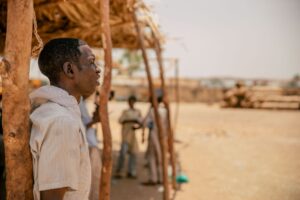
New research reveals sleep quality significantly affects mental health, pain, and cardiovascular recovery in forced migrants. The study supports holistic treatment approaches addressing sleep alongside traditional trauma therapy. — Photo: Greg Pappas / Pexels
SHARE
4 min read|852 words
✓ Editorially Reviewed by Prof. Giorgi Pkhakadze, MD, MPH, PhD — GMJ News Desk

🟠 Moderate Evidence

Contents
    • Key takeaways
      • Study at a Glance
      • Sleep’s Impact on Trauma Recovery Domains
  • Sleep as a Central Factor in Trauma Recovery
  • Multi-Domain Health Impacts Identified
  • Implications for Holistic Treatment Approaches
    • What this means
  • Frequently asked questions
    • Why is sleep particularly important for trauma recovery in forced migrants?
    • How does poor sleep affect cardiovascular health in trauma survivors?
    • What holistic approaches might help improve sleep in forced migrants?

Poor sleep quality significantly affects mental health, pain levels, and cardiovascular health among forced migrants recovering from trauma, according to new research published in the Journal of Migration and Health. The study, led by Dr. Jennifer Esala and colleagues from multiple institutions, examined sleep as a potential mediating factor in trauma rehabilitation outcomes for this vulnerable population.

Key takeaways

  • Sleep quality significantly impacts trauma recovery outcomes across multiple health domains
  • Forced migrants face unique sleep disruption challenges linked to their displacement experiences
  • Holistic treatment approaches addressing sleep may improve overall rehabilitation effectiveness

Study at a Glance

Source Journal of Migration and Health
Study type Cross-sectional observational study
Sample size Details not specified in available abstract
Population Forced migrants undergoing trauma rehabilitation
Country United States
Multiple domains
Health areas affected by sleep quality in forced migrants

Sleep’s Impact on Trauma Recovery Domains

Health areas affected by sleep quality in forced migrant populations

Mental
Health outcomes
Physical
Pain levels
Cardiac
Cardiovascular health

Source: Esala et al., Journal of Migration and Health, 2026 | Georgian Medical Journal News

Submit Your Paper
GMJ_Submit_Banner

Sleep as a Central Factor in Trauma Recovery

The research team, including investigators from the University of Washington and other institutions, focused on understanding how sleep quality mediates recovery outcomes in forced migrant populations. Dr. Jennifer Esala, the lead author, and her colleagues examined the interconnections between sleep disturbances and various health domains affected by trauma.

🎙️ Related Podcast Episodes
🎧 #51 | GMJ Podcast | Global Health, Migration, and Health Systems Resilience · 14m
🎧 #53 | GMJ Podcast | Palliative Care in Georgia — Health System Gaps, Access Barriers, and Policy Implications · 16m
🎧 #50 | GMJ Podcast | Inclusive Health for Refugees and Migrants: WHO Reports Global Progress and Remaining Gaps · 17m
🎧 #48 | GMJ Podcast | Launching the Georgian Medical Journal — Transparency, Editorial Standards, and Open-Access Vision · 17m
🎧 #47 | GMJ Podcast | Tskaltubo and the Future of Spa-Based Medicine — Radon Therapy, Rehabilitation, and Preventive Health · 19m

Forced migrants often experience complex trauma that disrupts normal sleep patterns, potentially creating cascading effects on their overall health and recovery process. The study’s holistic approach recognizes that trauma rehabilitation must address multiple interconnected factors rather than treating symptoms in isolation.

Multi-Domain Health Impacts Identified

The research revealed significant associations between sleep quality and three key health domains in forced migrant populations. Mental health outcomes showed particular sensitivity to sleep disruption, reflecting the complex relationship between trauma, displacement stress, and circadian rhythm disturbances that characterize the forced migration experience.

Pain management emerged as another critical area where sleep quality plays a mediating role. The World Health Organization has previously documented the high prevalence of both mental health conditions and chronic pain among displaced populations, making these findings particularly relevant for clinical practice.

Cardiovascular health impacts represent a less commonly recognized consequence of poor sleep in trauma recovery. The study’s inclusion of cardiovascular outcomes highlights the systemic nature of trauma’s effects on forced migrant health, extending beyond the traditionally recognized psychological and pain-related symptoms. For more research on migration and health, readers can explore our comprehensive coverage.

Implications for Holistic Treatment Approaches

The findings support integrating sleep interventions into comprehensive trauma rehabilitation programs for forced migrants. Traditional trauma treatment approaches often focus primarily on psychological interventions, but this research suggests that addressing sleep quality could amplify overall treatment effectiveness across multiple health domains.

Dr. Sean Drummond, a co-author specializing in sleep research, and colleagues from institutions including the University of Pittsburgh contributed expertise on sleep’s role in health outcomes. Their collaborative approach reflects the growing recognition that forced migrant health requires interdisciplinary intervention strategies.

The study’s emphasis on holistic approaches aligns with evolving best practices in refugee and migrant healthcare, which increasingly recognize the need for comprehensive, culturally responsive treatment models that address the complex interactions between trauma, displacement, and health outcomes.

Sleep quality serves as a critical mediating factor affecting mental health, pain levels, and cardiovascular health in forced migrant trauma rehabilitation

— Dr. Jennifer Esala and colleagues, Multi-institutional research team (Journal of Migration and Health, 2026)

What this means

For patients: Forced migrants experiencing trauma may benefit from treatment approaches that specifically address sleep quality alongside traditional therapy
For clinicians: Healthcare providers should assess and address sleep disturbances as part of comprehensive trauma treatment for migrant patients
For policymakers: Refugee health programs should integrate sleep interventions into trauma rehabilitation services and ensure adequate resources for holistic care approaches

Frequently asked questions

Why is sleep particularly important for trauma recovery in forced migrants?

Forced migrants face unique stressors including displacement, cultural adjustment, and often ongoing uncertainty about their status. These factors can severely disrupt sleep patterns, which then affects the body’s ability to process trauma and heal both mentally and physically.

How does poor sleep affect cardiovascular health in trauma survivors?

Sleep disturbances can increase stress hormones, blood pressure, and inflammation – all of which contribute to cardiovascular problems. In trauma survivors, these effects may be amplified due to existing stress responses and the body’s heightened state of alertness.

What holistic approaches might help improve sleep in forced migrants?

Effective approaches often combine sleep hygiene education, stress reduction techniques, cultural considerations for sleep practices, and addressing environmental factors like housing stability and safety concerns that may interfere with quality rest.

This research underscores the critical need for comprehensive, evidence-based approaches to forced migrant health that recognize sleep as a fundamental component of trauma recovery. As healthcare systems worldwide grapple with increasing displaced populations, integrating sleep interventions into trauma rehabilitation programs may significantly improve outcomes across multiple health domains. The multi-institutional collaboration demonstrates the value of interdisciplinary research in addressing complex health challenges facing vulnerable populations.

Source: Holistic Approaches to Trauma Rehabilitation for Forced Migrants: Assessing Sleep as an Associated Factor for Mental Health, Pain, and Cardiovascular Health

Was this article helpful?

Related Coverage

Multi-country study reveals critical gaps in Chagas disease data systems across Bolivia and ParaguayJun 8, 2026
UK approves 342 parallel drug import licences in 2026 amid post-Brexit medicine access challengesJun 8, 2026
UK Approves 47 New Medicines in 2026, Including Breakthrough Alzheimer's TreatmentJun 8, 2026
WMO Warns El Niño Will Drive Record Heatwaves Through August 2024Jun 7, 2026
TAGGED:cardiovascular healthforced migrantsMental Healthsleep qualitytrauma recovery
Share This Article
Facebook LinkedIn Bluesky Copy Link Print
Leave a Comment Leave a Comment

Leave a Reply Cancel reply

Your email address will not be published. Required fields are marked *

Submit Your Paper →

Georgia's peer-reviewed open-access medical journal. No APC until January 2027.
Submit Manuscript →
Multi-country study reveals critical gaps in Chagas disease data systems across Bolivia and Paraguay

New research identifies critical gaps in Chagas disease surveillance systems across Bolivia…

UK approves 342 parallel drug import licences in 2026 amid post-Brexit medicine access challenges

UK regulators approved 342 parallel import licences for medicines in 2026, a…

UK Approves 47 New Medicines in 2026, Including Breakthrough Alzheimer’s Treatment

The UK approved 47 new medicines in 2026, with neurological treatments leading…

Submit Your Paper to GMJ

No APC until January 2027.
Submit Manuscript →

You Might Also Like

Colorado health officials and lawmakers discussing childhood vaccination policy at state capitol
Health PolicyPolicy & Systems

Colorado Forms Vaccine Coalition as Federal Support Weakens

By
GMJ News Desk
27/05/2026
Healthcare cost analysis showing long COVID economic impact on US system
Health PolicyPolicy & Systems

Long COVID Could Cost US Healthcare System $8 Billion Over Three Years

By
GMJ News Desk
27/05/2026
Medical chart showing health risk factors including mental health conditions and socioeconomic status
New Studies

Mental Health Conditions and Low Income Create Dual Health Risks, Danish Study Reveals

By
GMJ News Desk
21/05/2026
Healthcare professional using digital tablet to access public health resources on government platform
Health PolicyPolicy & Systems

UK Launches Comprehensive Digital Public Health Resource Hub for Healthcare Professionals

By
GMJ News Desk
24/05/2026
Facebook Twitter Youtube Instagram
Company
  • Privacy Policy
  • Contact US
  • GMJ Journal
  • Submit Manuscript
  • Editorial Team
  • Register at GMJ
  • Terms of Use

Subscribe to GMJ News — Click here

Join Community
© 2026 Georgian Medical Journal (GMJ). Published by the Public Health Institute of Georgia (PHIG). All rights reserved.
Welcome Back!

Sign in to your account

Username or Email Address
Password

Lost your password?

Not a member? Sign Up