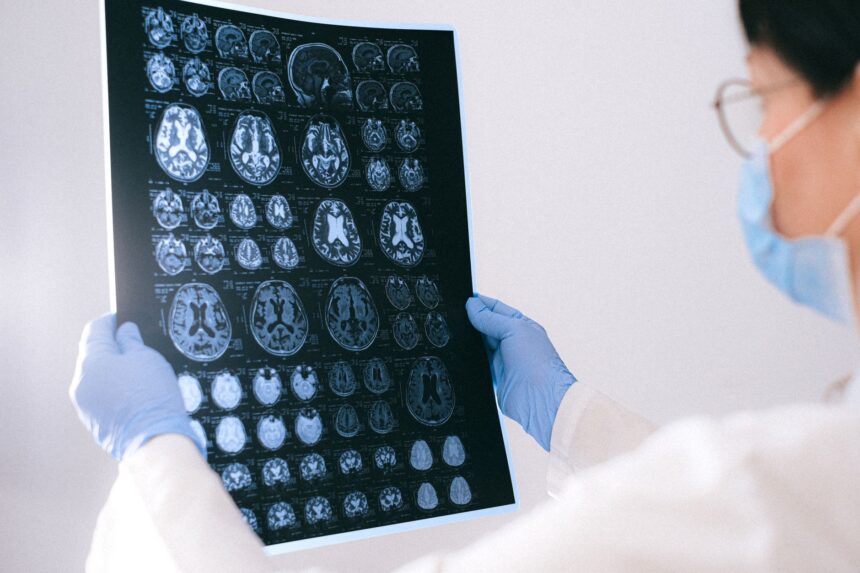
A striking 42 percent of perimenopausal women report significant cognitive difficulties that directly affect their work performance and daily functioning, according to clinical studies conducted between 2020 and 2024. This substantial prevalence challenges long-standing assumptions that cognitive symptoms during the menopausal transition are primarily psychological in origin. Standardized neuropsychological assessments validate these subjective reports, documenting objective deficits in verbal memory, working memory, and processing speed. Among perimenopausal women, 85 percent experience memory problems, 78 percent report concentration difficulties, and 67 percent struggle with word-finding issues. These measurable cognitive changes correlate with estradiol fluctuations affecting the hippocampus and prefrontal cortex. The clinical validation of these symptoms underscores the need for recognition, support, and evidence-based treatment approaches in workplace and clinical settings. Read the full article on GMJ Newsroom.
Was this article helpful?