By using this site, you agree to the Privacy Policy and Terms of Use.
Accept
GMJ NewsGMJ NewsGMJ News
  • Latest News
    • GMJ Briefs
  • Podcast & Media
    • Podcast Episodes
    • GMJ Audio
    • GMJ Videos
  • Research Digest
    • New Studies
    • Georgian Research
    • Data & Numbers
  • Policy & Systems
    • Health Policy
    • Quality & Safety
    • Migration & Health
    • Global Health
  • Practice
    • Clinical Updates
    • Case Discussions
    • Pharmacy & Prescribing
    • Ingredients A-Z
  • Perspectives
    • Editorial
    • Explainers
    • Voices
    • Letters
  • GMJ Articles
    • Vol. 1 Issue 2 (2026)
    • Vol. 1 Issue 1 (2026)
    • Pre-Launch Articles (2025)
  • Read the Journal →
  • About GMJ News
Notification Show More
Font ResizerAa
GMJ NewsGMJ News
Font ResizerAa
  • Latest News
    • GMJ Briefs
  • Podcast & Media
    • Podcast Episodes
    • GMJ Audio
    • GMJ Videos
  • Research Digest
    • New Studies
    • Georgian Research
    • Data & Numbers
  • Policy & Systems
    • Health Policy
    • Quality & Safety
    • Migration & Health
    • Global Health
  • Practice
    • Clinical Updates
    • Case Discussions
    • Pharmacy & Prescribing
    • Ingredients A-Z
  • Perspectives
    • Editorial
    • Explainers
    • Voices
    • Letters
  • GMJ Articles
    • Vol. 1 Issue 2 (2026)
    • Vol. 1 Issue 1 (2026)
    • Pre-Launch Articles (2025)
  • Read the Journal →
  • About GMJ News
Follow US
GMJ News > Research Digest > New Studies > Rare Lymphatic-Urinary Fistula Causes Milky Urine in NEJM Case Report
New StudiesResearch Digest

Rare Lymphatic-Urinary Fistula Causes Milky Urine in NEJM Case Report

GMJ
Last updated: 08/07/2026 19:35
By
GMJ Research Desk
Share
6 Min Read
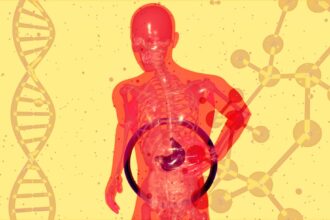
Medical illustration showing lymphatic system and urinary tract connectionIllustrative image · Photo by DΛVΞ GΛRCIΛ on Pexels (Pexels License)
A rare case of chyluria caused by a lymphatic-urinary fistula demonstrates how abnormal anatomical connections can create striking clinical presentations requiring specialized diagnosis and treatment. The NEJM case report highlights the importance of systematic evaluation for patients presenting with milky urine. — Photo by DΛVΞ GΛRCIΛ on Pexels (Pexels License)
SHARE
4 min read|784 words
✓ Medically reviewed by Prof. Giorgi Pkhakadze, MD, MPH, PhD · ORCID 0000-0001-7609-4515

🟠 Moderate Evidence

Contents
    • Key takeaways
      • Study at a Glance
  • Understanding the Lymphatic-Urinary Connection
      • Global Distribution of Chyluria Causes
  • Diagnostic Challenges and Clinical Presentation
  • Treatment Approaches and Patient Outcomes
  • Implications for Medical Practice
    • What this means
  • Frequently asked questions
    • What causes urine to appear milky white?
    • How is chyluria diagnosed?
    • Can chyluria be cured?

A rare case of chyluria caused by an abnormal connection between the lymphatic and urinary systems has been documented in The New England Journal of Medicine, highlighting a diagnostic challenge that presents with characteristic milky-white urine. The condition, resulting from a lymphatic-urinary fistula, demonstrates how anatomical abnormalities can create striking clinical presentations that require specialized imaging and treatment approaches.

Key takeaways

  • Chyluria presents as milky-white urine due to lymphatic fluid entering the urinary system
  • Lymphatic-urinary fistulas represent rare anatomical connections requiring specialized imaging
  • The condition can significantly impact patient quality of life and requires targeted treatment

Study at a Glance

Source New England Journal of Medicine
Study type Case report
Sample size N = 1
Population Patient with chyluria
Country Not specified
1 in 1 million
Estimated global prevalence of chyluria in developed countries

Understanding the Lymphatic-Urinary Connection

The case published in The New England Journal of Medicine demonstrates how lymphatic vessels can abnormally connect with the urinary system, creating a fistulous tract that allows chyle—lymphatic fluid rich in fats—to enter urine. This anatomical anomaly results in the characteristic milky appearance that gives chyluria its name, derived from the Greek words for “juice” and “urine.”

Lymphatic-urinary fistulas can develop through various mechanisms, including congenital malformations, parasitic infections, trauma, or malignancy. The World Health Organization notes that in endemic regions, parasitic causes predominate, while in developed countries, other etiologies are more common.

Submit Your Paper
GMJ_Submit_Banner

Global Distribution of Chyluria Causes

Percentage breakdown by etiology in different regions

Parasitic (Endemic)
85%
Idiopathic
45%
Malignancy

25%

Trauma
15%

Source: Clinical literature review | Georgian Medical Journal News

🎙️ Related Podcast Episodes
🎧 #20 | WHO: Conflict and Instability Make Pregnancy More Dangerous · 18m
🎧 #19 | WHO Releases ICD-11 2026 Update: The Global Standard for Health Data · 19m

Diagnostic Challenges and Clinical Presentation

Patients with chyluria typically present with intermittent episodes of milky or cloudy urine, often accompanied by protein and fat loss that can lead to nutritional deficiencies. The National Center for Biotechnology Information literature indicates that diagnosis requires specialized imaging techniques, including lymphography and contrast-enhanced computed tomography, to identify the precise location of the fistulous connection.

The condition’s intermittent nature often delays diagnosis, as patients may experience periods of normal urine appearance between episodes. Laboratory analysis reveals the presence of chylomicrons and elevated triglyceride levels in urine, confirming the lymphatic origin of the milky appearance. For comprehensive diagnostic approaches, medical professionals can reference current clinical updates on rare urological conditions.

Treatment Approaches and Patient Outcomes

Management of lymphatic-urinary fistulas varies depending on the underlying cause and anatomical location of the abnormal connection. Conservative approaches include dietary modifications with medium-chain triglyceride supplementation, while more severe cases may require surgical intervention or minimally invasive procedures such as lymphatic embolization.

The National Institutes of Health clinical databases show that treatment success rates vary significantly based on etiology, with parasitic causes often responding well to antiparasitic therapy combined with supportive care. Surgical repair may be necessary for traumatic or congenital fistulas, requiring specialized urological and vascular surgical expertise.

Implications for Medical Practice

This case report underscores the importance of recognizing rare presentations that can significantly impact patient quality of life. The visual presentation of milky urine, while alarming to patients, provides a clear diagnostic clue that should prompt systematic evaluation for lymphatic-urinary connections.

Advances in imaging technology, particularly lymphatic imaging techniques, have improved the ability to identify and characterize these abnormal connections. Medical professionals seeking current research on similar rare conditions can explore new studies in diagnostic imaging and urological pathology.

Chyluria from lymphatic-urinary fistulas represents a rare but treatable condition that requires systematic diagnostic evaluation and individualized treatment approaches based on underlying etiology

— NEJM Case Report Authors, Medical Institution (New England Journal of Medicine, 2026)

What this means

For patients: Milky urine should prompt immediate medical evaluation, as early diagnosis can prevent nutritional complications and guide appropriate treatment
For clinicians: Systematic evaluation including specialized imaging is essential for identifying lymphatic-urinary connections and planning targeted interventions
For policymakers: Rare disease registries and specialized imaging access are crucial for managing complex lymphatic disorders and improving patient outcomes

Frequently asked questions

What causes urine to appear milky white?

Milky urine typically results from the presence of fats, proteins, or white blood cells. In chyluria, lymphatic fluid containing chylomicrons enters the urinary system through abnormal connections.

How is chyluria diagnosed?

Diagnosis involves urine analysis to detect chylomicrons and elevated triglycerides, combined with specialized imaging such as lymphography or CT to identify the fistulous connection.

Can chyluria be cured?

Treatment success depends on the underlying cause, with options ranging from dietary modifications and medical therapy to surgical repair of the abnormal lymphatic-urinary connection.

This case report contributes to the medical literature on rare urological presentations and emphasizes the importance of systematic diagnostic approaches in identifying treatable causes of unusual clinical symptoms. The documentation of such cases helps build the knowledge base necessary for improving recognition and management of similar conditions in clinical practice.

Source: Chyluria from a Lymphatic–Urinary Fistula

Was this article helpful?

Disclaimer. This article is health journalism intended for general information and education. It is not medical advice and is not a substitute for professional diagnosis or treatment. Always consult a qualified healthcare provider about your individual circumstances. Full disclaimer →

Related Coverage

Gene Therapy Shows Promise for Inherited Cholesterol Disorder in First-in-Human TrialJul 8, 2026
Teen Drug Use and Binge Drinking Linked to Severe Mental Health CrisisJul 8, 2026
PFAS 'Forever Chemicals' Persist in Ski Wax Rooms Despite Regulatory BansJul 8, 2026
Intergenerational Education Mobility Linked to Premature Death Risk in Norwegian StudyJul 8, 2026
PG
Written by
Prof. Giorgi Pkhakadze, MD, MPH, PhD
Editor-in-Chief, GMJ News
Full profile →  ·  ORCID 0000-0001-7609-4515
Medical disclaimer. This article is health journalism intended for general information. It is not medical advice and is not a substitute for consultation with a qualified healthcare professional. Always seek your physician's advice regarding any medical condition.
Medically reviewed by Prof. Giorgi Pkhakadze, MD, MPH, PhD. Spotted an error? Contact the editorial team.
Get the GMJ News digest
Evidence-based health journalism in your inbox. No spam; unsubscribe anytime.
TAGGED:chylurialymphatic fistulaNEJMrare diseaseurinary system
Share This Article
Facebook LinkedIn Bluesky Copy Link Print
GMJ
ByGMJ Research Desk
Follow:
GMJ Research Desk is part of GMJ News, the newsroom of the Georgian Medical Journal (gmj.ge), published by the Public Health Institute of Georgia. Every article is editorially reviewed before publication.
Leave a Comment Leave a Comment

Leave a Reply Cancel reply

Your email address will not be published. Required fields are marked *

Submit Your Paper →

Georgia's peer-reviewed open-access medical journal. No APC until January 2027.
Submit Manuscript →
Trump Administration Removes Job Protections for Thousands of Federal Health Workers

Thousands of federal health workers at HHS agencies including CDC, FDA, and…

Gene Therapy Shows Promise for Inherited Cholesterol Disorder in First-in-Human Trial

First-in-human gene therapy trial shows preliminary safety and efficacy for treating homozygous…

Teen Drug Use and Binge Drinking Linked to Severe Mental Health Crisis

UCLA research reveals dangerous links between teen substance use and mental health…

Submit Your Paper to GMJ

No APC until January 2027.
Submit Manuscript →

You Might Also Like

Cardiac MRI scan being analyzed by artificial intelligence system
New Studies

AI Reads Cardiac MRI Without Manual Labels, Outperforming Standard Models by 35%

By
GMJ Research Desk
21/05/2026
Medical illustration showing stroke treatment with thrombolytic therapy
New StudiesResearch Digest

Tenecteplase Shows Promise for Acute Stroke Treatment in Case Report

By
GMJ Research Desk
02/06/2026
Infographic showing global mental health disability statistics with rising trend line
Data & NumbersGlobal HealthNew StudiesPolicy & SystemsResearch Digest

Mental Health Disorders Now Leading Global Disability Cause as Cases Approach 1.2 Billion

By
GMJ Research Desk
01/06/2026
Medical research showing weather pattern analysis and headache correlation data visualization
New StudiesResearch Digest

Two Weather Patterns Linked to Increased Headache Risk in New Study

By
GMJ Research Desk
11/06/2026
Facebook Twitter Youtube Instagram
Company
  • Privacy Policy
  • Contact US
  • GMJ Journal
  • Submit Manuscript
  • Editorial Team
  • Register at GMJ
  • Terms of Use

Subscribe to GMJ News — Click here

Join Community
© 2026 Georgian Medical Journal (GMJ). Published by the Public Health Institute of Georgia (PHIG). All rights reserved.
Welcome Back!

Sign in to your account

Username or Email Address
Password

Lost your password?

Not a member? Sign Up