By using this site, you agree to the Privacy Policy and Terms of Use.
Accept
GMJ NewsGMJ NewsGMJ News
  • Latest News
    • GMJ Briefs
  • Podcast & Media
    • Podcast Episodes
    • GMJ Audio
    • GMJ Videos
  • Research Digest
    • New Studies
    • Georgian Research
    • Data & Numbers
  • Policy & Systems
    • Health Policy
    • Quality & Safety
    • Migration & Health
    • Global Health
  • Practice
    • Clinical Updates
    • Case Discussions
    • Pharmacy & Prescribing
    • Ingredients A-Z
  • Dictionary
    • Browse A–Z
    • About the Project
    • Contribute a Term
  • Perspectives
    • Editorial
    • Explainers
    • Voices
    • Letters
  • Health Topics
  • GMJ Articles
    • Vol. 1 Issue 2 (2026)
    • Vol. 1 Issue 1 (2026)
    • Pre-Launch Articles (2025)
  • Read the Journal →
  • About GMJ News
Notification Show More
Font ResizerAa
GMJ NewsGMJ News
Font ResizerAa
  • Latest News
    • GMJ Briefs
  • Podcast & Media
    • Podcast Episodes
    • GMJ Audio
    • GMJ Videos
  • Research Digest
    • New Studies
    • Georgian Research
    • Data & Numbers
  • Policy & Systems
    • Health Policy
    • Quality & Safety
    • Migration & Health
    • Global Health
  • Practice
    • Clinical Updates
    • Case Discussions
    • Pharmacy & Prescribing
    • Ingredients A-Z
  • Dictionary
    • Browse A–Z
    • About the Project
    • Contribute a Term
  • Perspectives
    • Editorial
    • Explainers
    • Voices
    • Letters
  • Health Topics
  • GMJ Articles
    • Vol. 1 Issue 2 (2026)
    • Vol. 1 Issue 1 (2026)
    • Pre-Launch Articles (2025)
  • Read the Journal →
  • About GMJ News
Follow US
GMJ News > Research Digest > New Studies > Teen Drug Use and Binge Drinking Linked to Severe Mental Health Crisis
New StudiesResearch Digest

Teen Drug Use and Binge Drinking Linked to Severe Mental Health Crisis

GMJ
Last updated: 08/07/2026 19:35
By
GMJ Research Desk
Share
6 Min Read
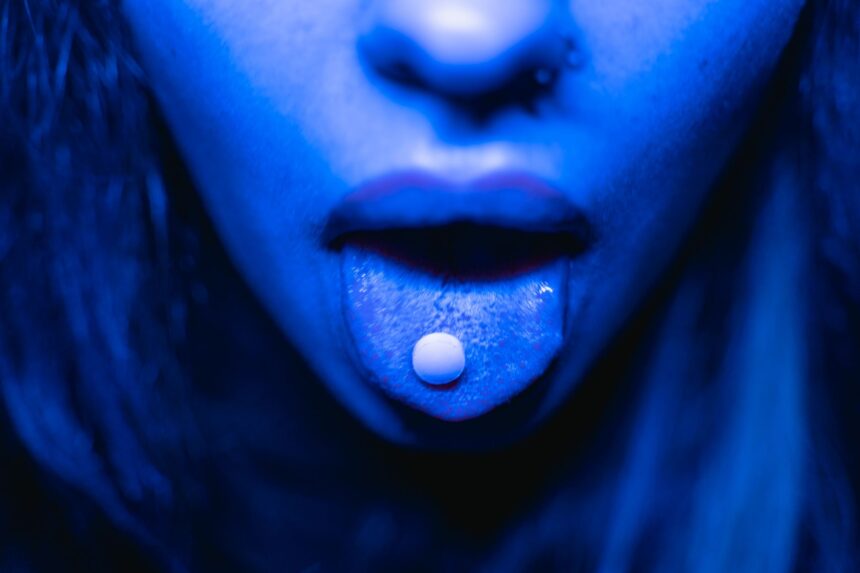
Infographic showing teen substance use mental health correlations from UCLA researchIllustrative image · Photo by MART PRODUCTION on Pexels (Pexels License)
UCLA research reveals dangerous links between teen substance use and mental health crises. Study shows drug-using adolescents face significantly higher risks of psychological distress and suicidal behaviors. — Photo by MART PRODUCTION on Pexels (Pexels License)
SHARE
🎧 Listen to this article5:09 min · 736 words · GMJ Audio
4 min read|736 words
✓ Reviewed by GMJ News Editorial Team

🟠 Moderate Evidence

Contents
    • Key takeaways
      • Study at a Glance
      • Teen Substance Use and Mental Health Risks
  • Substance Use Creates Mental Health Vulnerability
  • Policy Implications for Teen Health Services
  • Clinical Practice Considerations
    • What this means
  • Frequently asked questions
    • How strong is the link between teen drug use and suicide risk?
    • Should parents be more concerned about alcohol or drug use in teens?
    • What screening tools should healthcare providers use for adolescents?

Adolescents who use drugs or engage in binge drinking face significantly higher risks of psychological distress, suicidal thoughts, and suicide attempts, according to new research from the UCLA Center for Health Policy Research. The study reveals alarming associations between substance use and mental health crises among teenagers, highlighting urgent needs for integrated intervention strategies.

Key takeaways

  • Drug-using adolescents show significantly higher rates of psychological distress and suicidal ideation
  • Binge drinking among teens correlates with increased suicide attempt risks
  • Findings underscore need for combined substance abuse and mental health screening in adolescents

Study at a Glance

Source UCLA Center for Health Policy Research
Study type Cross-sectional analysis
Sample size Adolescent population data
Population US adolescents
Country United States
Higher risk
for psychological distress among drug-using adolescents vs non-users

Teen Substance Use and Mental Health Risks

Association between substance use patterns and psychological distress indicators

High
Psychological distress risk
Elevated
Suicidal ideation rates
Critical
Suicide attempt correlation

Source: UCLA Center for Health Policy Research, 2026 | Georgian Medical Journal News

Submit Your Paper
GMJ_Submit_Banner

Substance Use Creates Mental Health Vulnerability

The UCLA research demonstrates clear associations between adolescent substance use and severe mental health outcomes. Teenagers who reported drug use showed markedly higher levels of psychological distress compared to their non-using peers.

🎙️ Related Podcast Episodes
🎧 #14 | WHO: Four in Ten Cancer Cases Could Be Prevented Globally · 16m
🎧 #12 | WHO and Global Regulators Promote Antibiotic Labelling to Combat Antimicrobial Resistance · 19m
🎧 #53 | GMJ Podcast | Palliative Care in Georgia — Health System Gaps, Access Barriers, and Policy Implications · 16m
🎬 The Architecture of Migration Health: Inside the GMJ Knowledge Hub | Georgian Medical Journal
🎧 #52 | GMJ Podcast | Health and Migration Knowledge Hub — A Global Resource for Evidence-Based Practice · 17m

Binge drinking patterns among adolescents correlated with increased risks of both suicidal thoughts and actual suicide attempts. The findings suggest that substance use may either contribute to mental health deterioration or serve as a coping mechanism for existing psychological distress.

These associations raise critical questions about screening protocols in adolescent healthcare settings. Current clinical practice guidelines may need updating to address the interconnected nature of substance use and mental health risks.

Policy Implications for Teen Health Services

The study’s findings have immediate implications for how healthcare systems approach adolescent mental health screening. Traditional approaches that separate substance abuse treatment from mental health services may miss critical intervention opportunities.

Integrated screening protocols could identify at-risk adolescents earlier, potentially preventing progression to more severe mental health crises. The CDC’s youth health initiatives may need expansion to address these dual risks more comprehensively.

School-based health programs represent another potential intervention point, where both substance use prevention and mental health support could be delivered simultaneously.

Clinical Practice Considerations

For clinicians treating adolescents, these findings suggest that any presentation involving substance use should trigger comprehensive mental health assessment. The reverse also holds true—adolescents presenting with psychological distress warrant screening for substance use behaviors.

Pediatric and family medicine providers may need additional training in recognizing the overlapping presentations of substance use disorders and mental health conditions. Current prescribing practices for adolescent mental health may require review in light of potential substance use comorbidities.

The timing of interventions appears critical, as early identification could prevent escalation to suicidal ideation or attempts.

Adolescents using drugs or engaging in binge drinking show significantly higher rates of psychological distress and suicidal behaviors compared to non-using peers

— UCLA Center for Health Policy Research (2026 Study)

What this means

For patients: Teens struggling with substance use should seek immediate mental health evaluation, while those with mental health concerns need substance use screening
For clinicians: Implement routine dual screening for substance use and mental health in all adolescent encounters, with particular attention to suicidal risk assessment
For policymakers: Invest in integrated adolescent health services that address both substance abuse and mental health within unified treatment frameworks

Frequently asked questions

How strong is the link between teen drug use and suicide risk?

The UCLA study shows clear associations between substance use and both suicidal thoughts and attempts. However, the exact causal relationship requires further longitudinal research to establish whether substance use directly increases suicide risk or reflects underlying mental health vulnerabilities.

Should parents be more concerned about alcohol or drug use in teens?

Both binge drinking and drug use showed concerning associations with mental health outcomes in this research. Parents should treat any substance use as a potential indicator of broader psychological distress requiring professional evaluation.

What screening tools should healthcare providers use for adolescents?

Integrated screening approaches that assess both substance use patterns and mental health indicators simultaneously appear most effective. Tools should specifically evaluate suicidal ideation alongside substance use behaviors in teenage patients.

These findings underscore the urgent need for healthcare systems to reconceptualize adolescent substance use and mental health as interconnected challenges requiring coordinated responses. Early identification and integrated treatment approaches may prove critical in preventing tragic outcomes among vulnerable teenagers.

Source: Study shows dangerous associations between drug and alcohol use and adolescent mental health

Was this article helpful?

Disclaimer. This article is health journalism intended for general information and education. It is not medical advice and is not a substitute for professional diagnosis or treatment. Always consult a qualified healthcare provider about your individual circumstances. Full disclaimer →

Related Coverage

Ethiopia Study Reveals Stakeholder Concerns Over Novel Malaria TreatmentsAug 23, 2026
Sitafloxacin monotherapy matches doxycycline-rifampicin for brucellosis treatment in landmark trialAug 23, 2026
Ultra-processed foods linked to higher kidney cancer risk in large US studyAug 23, 2026
Fish Oil Supplements Reach the Brain but Show No Cognitive Benefit, Two-Year Study FindsAug 22, 2026
Explore more on this topic:🧭 Mental Health hub🧭 Alcohol hub🧭 Suicide Prevention hub
🔥 Most read this week
1High-Dose Zinc Supplements May Create Copper Deficiency, Warn Nutrition Experts
2Evidence-Based Hydration Protocol: How Much Fluid and Sodium Athletes Actually Need
3L-Theanine Improves Sleep Quality Without Drowsiness, Systematic Review Finds
4Why High-Dose Vitamin B12 Supplements Work Despite Poor Absorption
PG
Editorial oversight
Prof. Giorgi Pkhakadze, MD, MPH, PhD
Editor-in-Chief, GMJ News
Full profile →  ·  ORCID 0000-0001-7609-4515
Medical disclaimer. This article is health journalism intended for general information. It is not medical advice and is not a substitute for consultation with a qualified healthcare professional. Always seek your physician's advice regarding any medical condition.
Editorial standards. This article was produced under the GMJ News editorial process, with oversight by the GMJ Editorial Board. Our editorial process. Spotted an error? Contact the editorial team.

📬 GMJ Health Digest
Evidence-based medical news, once a week. Free, no spam, unsubscribe anytime.
TAGGED:adolescent healthMental Healthsubstance abusesuicide preventionUCLA research
Share This Article
Facebook LinkedIn Bluesky Copy Link Print
GMJ
ByGMJ Research Desk
Follow:
GMJ Research Desk is part of GMJ News, the newsroom of the Georgian Medical Journal (gmj.ge), published by the Public Health Institute of Georgia. Every article is editorially reviewed before publication.
Leave a Comment Leave a Comment

Leave a Reply Cancel reply

Your email address will not be published. Required fields are marked *

Submit Your Paper →

Georgia's peer-reviewed open-access medical journal. No APC until January 2027.
Submit Manuscript →
Ethiopia Study Reveals Stakeholder Concerns Over Novel Malaria Treatments

A qualitative study in Ethiopia reveals that health workers and patients view…

Sitafloxacin monotherapy matches doxycycline-rifampicin for brucellosis treatment in landmark trial

A multicenter randomized trial in The Lancet Regional Health – Western Pacific…

Ultra-processed foods linked to higher kidney cancer risk in large US study

A prospective analysis of over 300,000 US adults found that higher consumption…

Submit Your Paper to GMJ

No APC until January 2027.
Submit Manuscript →

You Might Also Like

Conceptual illustration of human brain with stress pathways and botanical compounds highlightedIllustrative image · Photo by www.kaboompics.com on Pexels (Pexels License)
Clinical UpdatesExplainersNew StudiesPerspectivesPracticeResearch Digest

Stress impairs memory and attention by up to 20%, study finds—but botanical interventions show promise

By
GMJ Practice Desk
21/07/2026
Medical chart showing lung cancer stage distribution trends in Taiwan screening studyIllustrative image · Photo by Anna Shvets on Pexels (Pexels License)
New StudiesResearch Digest

Self-initiated CT screening linked to early lung cancer detection in Taiwan

By
GMJ Research Desk
07/07/2026
Medical illustration showing heart protection through genetic-guided therapy with SGLT2 inhibitorsIllustrative image · Photo by Marta Branco on Pexels (Pexels License)
Clinical UpdatesNew StudiesPracticeResearch Digest

Diabetes Drug Dapagliflozin Cuts Heart Failure Risk by 32% in Genetically Vulnerable Patients

By
GMJ Practice Desk
17/06/2026
Illustration of motor neuron firing patterns in ALS disease mechanismIllustrative image · Photo by Testalize.me on Unsplash (Unsplash License)
Clinical UpdatesNew StudiesPracticeResearch Digest

Northwestern researchers identify cause of neuron overfiring in ALS and design potential treatment

By
GMJ Practice Desk
22/08/2026
Facebook Twitter Youtube Instagram
Company
  • Privacy Policy
  • Contact US
  • GMJ Journal
  • Submit Manuscript
  • Editorial Team
  • Register at GMJ
  • Terms of Use

Subscribe to GMJ News — Click here

Join Community
© 2026 Georgian Medical Journal (GMJ). Published by the Public Health Institute of Georgia (PHIG). All rights reserved.
Welcome Back!

Sign in to your account

Username or Email Address
Password

Lost your password?