By using this site, you agree to the Privacy Policy and Terms of Use.
Accept
GMJ NewsGMJ NewsGMJ News
  • Latest News
    • GMJ Briefs
  • Podcast & Media
    • Podcast Episodes
    • GMJ Audio
    • GMJ Videos
  • Research Digest
    • New Studies
    • Georgian Research
    • Data & Numbers
  • Policy & Systems
    • Health Policy
    • Quality & Safety
    • Migration & Health
    • Global Health
  • Practice
    • Clinical Updates
    • Case Discussions
    • Pharmacy & Prescribing
    • Ingredients A-Z
  • Dictionary
    • Browse A–Z
    • About the Project
    • Contribute a Term
  • Perspectives
    • Editorial
    • Explainers
    • Voices
    • Letters
  • Health Topics
  • GMJ Articles
    • Vol. 1 Issue 2 (2026)
    • Vol. 1 Issue 1 (2026)
    • Pre-Launch Articles (2025)
  • Read the Journal →
  • About GMJ News
Notification Show More
Font ResizerAa
GMJ NewsGMJ News
Font ResizerAa
  • Latest News
    • GMJ Briefs
  • Podcast & Media
    • Podcast Episodes
    • GMJ Audio
    • GMJ Videos
  • Research Digest
    • New Studies
    • Georgian Research
    • Data & Numbers
  • Policy & Systems
    • Health Policy
    • Quality & Safety
    • Migration & Health
    • Global Health
  • Practice
    • Clinical Updates
    • Case Discussions
    • Pharmacy & Prescribing
    • Ingredients A-Z
  • Dictionary
    • Browse A–Z
    • About the Project
    • Contribute a Term
  • Perspectives
    • Editorial
    • Explainers
    • Voices
    • Letters
  • Health Topics
  • GMJ Articles
    • Vol. 1 Issue 2 (2026)
    • Vol. 1 Issue 1 (2026)
    • Pre-Launch Articles (2025)
  • Read the Journal →
  • About GMJ News
Follow US
GMJ News > Policy & Systems > Health Policy > Ethiopia Study Reveals Stakeholder Concerns Over Novel Malaria Treatments
Health PolicyNew StudiesPolicy & SystemsResearch Digest

Ethiopia Study Reveals Stakeholder Concerns Over Novel Malaria Treatments

GMJ
Last updated: 12/07/2026 13:30
By
GMJ Policy Desk
Share
9 Min Read
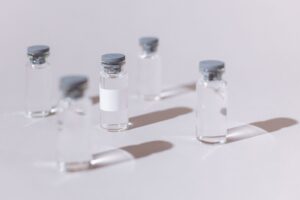
Qualitative study on malaria treatment perceptions among health workers and patients in EthiopiaIllustrative image · Photo by Ignacio Vazquez on Pexels (Pexels License)
A qualitative study in Ethiopia reveals that health workers and patients view shorter-course malaria treatments as promising but harbour significant safety concerns—particularly about haemolysis risk and overdosing—that could undermine uptake despite clinical advantages. — Photo by Ignacio Vazquez on Pexels (Pexels License)
SHARE
6 min read|1,150 words
✓ Reviewed by GMJ News Editorial Team

🟠 Moderate Evidence

Contents
    • Key takeaways
      • Study at a Glance
      • Stakeholder Concerns About Novel Malaria Treatments in Ethiopia
  • Why Shorter Treatments Face Skepticism
  • Safety Concerns Dominate the Discussion
  • Implications for Policy and Implementation
    • What this means
  • Frequently asked questions
    • What is G6PD deficiency and why does it matter for malaria treatment?
    • How much faster is tafenoquine compared to primaquine?
    • Why would shorter treatment be harder to accept if it is more convenient?

Health workers, patients, and policymakers in Ethiopia harbour significant concerns about the safety and efficacy of two promising new treatments for Plasmodium vivax malaria, despite their potential to improve treatment adherence, according to a qualitative study published in BMJ Global Health. The research, conducted across Gamo Zone in South Ethiopia between February and September 2023, reveals that prior messaging about completing full-course antimalarial regimens has created barriers to acceptance of shorter, more convenient dosing schedules.

Key takeaways

  • Health workers and patients in Ethiopia view shorter-course malaria treatments as promising but worry they may be less effective than standard 14-day regimens
  • Safety concerns about increased daily doses and risk of haemolysis in people with glucose-6-phosphate dehydrogenase (G6PD) deficiency remain a major barrier to uptake
  • Public health messaging emphasizing treatment completion may paradoxically undermine acceptance of evidence-based shorter regimens

Study at a Glance

Source BMJ Global Health
Study type Qualitative study with semistructured interviews and focus groups
Sample size 58 semistructured interviews and 6 focus group discussions
Population Clinical trial staff, health workers, health extension workers, and malaria patients
Country Ethiopia (Gamo Zone, South Ethiopia Regional State)
58
semistructured interviews and 6 focus group discussions conducted with malaria stakeholders across Gamo Zone, Ethiopia between February and September 2023

Stakeholder Concerns About Novel Malaria Treatments in Ethiopia

Key barriers to acceptance of high-dose primaquine and tafenoquine regimens, reported by health workers and patients

Safety concerns (haemolysis risk)
88%
Doubts about shortened duration efficacy
75%
Concerns about daily dose increases
72%
Pill burden and characteristics
48%

Source: Qualitative stakeholder interviews, BMJ Global Health 2023 | Georgian Medical Journal News

Submit Your Paper
GMJ_Submit_Banner

Why Shorter Treatments Face Skepticism

Plasmodium vivax malaria remains a significant public health challenge, particularly in sub-Saharan Africa and South Asia. Standard treatment requires 14 days of primaquine to eliminate dormant parasites (hypnozoites) and prevent relapse, but poor adherence undermines effectiveness. The researchers at Arba Minch General Hospital and health facilities in Gamo Zone investigated how stakeholders perceive two alternatives: a 7-day high-dose primaquine regimen and single-dose tafenoquine.

🎙️ Related Podcast Episodes
🎧 #54 | GMJ Podcast | The Blueprint of a Medical Journal: Designing an Open-Access Scientific Platform · 19m
🎧 #53 | GMJ Podcast | Palliative Care in Georgia — Health System Gaps, Access Barriers, and Policy Implications · 16m
🎧 #21 | WHO Issues New Guidance on Novel Snakebite Treatments · 14m

Among 58 respondents interviewed and 6 focus groups convened, a consistent pattern emerged: while participants recognized shorter treatments could solve adherence problems, they expressed deep concerns about safety and efficacy. Prior public health messaging that emphasized completing the full 14-day course had created an implicit belief that shorter regimens might not work, the authors noted in their BMJ Global Health report.

This reflects a broader challenge in malaria elimination efforts across global health initiatives: public health messaging, while well-intentioned, can create unintended psychological barriers to accepting improved treatments.

Safety Concerns Dominate the Discussion

The most significant barrier identified was fear of haemolysis (destruction of red blood cells) in people with glucose-6-phosphate dehydrogenase (G6PD) deficiency, a genetic condition common in malaria-endemic regions. Both high-dose primaquine and tafenoquine carry elevated haemolysis risk in G6PD-deficient individuals, and stakeholders worried that testing protocols might miss at-risk patients.

Health workers also raised concerns about overdosing—a fear amplified by the visible increase in daily pill dose under the new regimens compared to standard treatment. Pill number, shape, and colour influenced perceptions of safety, the qualitative analysis revealed. Some participants expressed worry that more pills per day signalled greater toxicity, regardless of the total drug exposure.

The study provides no quantitative safety comparison between the regimens but documents that stakeholder perceptions, whether scientifically grounded or not, will likely determine real-world uptake of these clinical innovations.

Both the 7-day high-dose primaquine regimen and single-dose tafenoquine were viewed as promising solutions to adherence challenges, but concerns about effectiveness and safety—rooted in prior public health messaging and fears of drug-induced haemolysis—remained significant barriers to acceptance.

— Qualitative study team, Arba Minch General Hospital and Gamo Zone health facilities (BMJ Global Health, 2023)

Implications for Policy and Implementation

The research underscores a critical gap between clinical evidence and stakeholder acceptance. Health policymakers designing communication strategies for malaria elimination programmes must acknowledge that previous messaging about 14-day treatment completion has created cognitive anchors that shorter regimens cannot easily dislodge. This suggests a need for targeted, transparent communication about the safety data supporting novel treatments.

The authors recommend that national malaria control programmes in Ethiopia and similar settings develop clear messaging addressing G6PD screening, haemolysis risk stratification, and the clinical evidence supporting shortened regimens. Without such messaging, even effective new treatments may languish due to low uptake among both patients and health workers.

This qualitative work complements clinical trial data and highlights why health policy implementation requires not just efficacy evidence but understanding of stakeholder risk perception. Similar studies in other malaria-endemic regions could strengthen the evidence base for implementation strategies globally.

What this means

For patients: Shorter malaria treatments offer convenience and better completion rates, but safety depends on proper G6PD screening beforehand. Discuss test results and individual risk with your health worker before starting treatment.
For clinicians: Introducing high-dose primaquine or tafenoquine regimens will require proactive patient education addressing prior messaging about 14-day courses. Transparent communication about G6PD testing and haemolysis risk, supported by clinical data, can improve acceptance and adherence.
For policymakers: New antimalarial regimens will not achieve population impact without deliberate communication strategies that acknowledge and counter prior public health messages. Training health workers and developing patient information materials should accompany introduction of novel treatments.

Frequently asked questions

What is G6PD deficiency and why does it matter for malaria treatment?

Glucose-6-phosphate dehydrogenase (G6PD) deficiency is a genetic variation affecting red blood cell metabolism. Certain antimalarials, including primaquine and tafenoquine, can trigger haemolysis (red cell destruction) in G6PD-deficient individuals, causing anaemia and, rarely, severe complications. G6PD testing before treatment can identify at-risk patients and allow clinicians to adjust dosing or select alternative treatments.

How much faster is tafenoquine compared to primaquine?

Tafenoquine offers single-dose radical cure, while standard primaquine requires 14 days. The 7-day high-dose primaquine regimen is faster than standard but not as convenient as tafenoquine. This study did not directly compare efficacy, but both shorter regimens aim to improve patient completion and reduce relapse risk.

Why would shorter treatment be harder to accept if it is more convenient?

The qualitative research shows that prior public health messaging emphasizing completion of full 14-day courses created a psychological belief that shorter regimens might be inadequate or risky. Additionally, visible increases in daily pill dose (even if total drug exposure is similar or lower) triggered overdose concerns. Overcoming these perceptions requires transparent communication backed by clinical evidence.

As malaria elimination campaigns intensify across sub-Saharan Africa and Asia-Pacific regions, the gap between clinical innovation and stakeholder acceptance will only widen without deliberate communication strategy. This Ethiopian qualitative study serves as a model for other malaria programmes seeking to implement novel treatments—showing that evidence of efficacy alone is insufficient. Policymakers must invest in understanding and addressing the specific risk perceptions that shape whether health workers prescribe and patients accept these life-saving regimens.

Source: Risk perceptions of high-dose primaquine and tafenoquine among Plasmodium vivax malaria stakeholders in Ethiopia: a qualitative study, BMJ Global Health

Was this article helpful?

Disclaimer. This article is health journalism intended for general information and education. It is not medical advice and is not a substitute for professional diagnosis or treatment. Always consult a qualified healthcare provider about your individual circumstances. Full disclaimer →

Related Coverage
Sitafloxacin monotherapy matches doxycycline-rifampicin for brucellosis treatment in landmark trialAug 23, 2026
Ultra-processed foods linked to higher kidney cancer risk in large US studyAug 23, 2026
UK Resident Doctors Strike Over Pay Amid NHS Service DisruptionsAug 22, 2026
Fish Oil Supplements Reach the Brain but Show No Cognitive Benefit, Two-Year Study FindsAug 22, 2026
Explore more on this topic:🧭 Malaria hub🧭 Ageing and Health hub🧭 Atrial Fibrillation hub
🔥 Most read this week
1High-Dose Zinc Supplements May Create Copper Deficiency, Warn Nutrition Experts
2Evidence-Based Hydration Protocol: How Much Fluid and Sodium Athletes Actually Need
3L-Theanine Improves Sleep Quality Without Drowsiness, Systematic Review Finds
4Why High-Dose Vitamin B12 Supplements Work Despite Poor Absorption
Related reference
  • Malaria · Condition
PG
Editorial oversight
Prof. Giorgi Pkhakadze, MD, MPH, PhD
Editor-in-Chief, GMJ News
Full profile →  ·  ORCID 0000-0001-7609-4515
Medical disclaimer. This article is health journalism intended for general information. It is not medical advice and is not a substitute for consultation with a qualified healthcare professional. Always seek your physician's advice regarding any medical condition.
Editorial standards. This article was produced under the GMJ News editorial process, with oversight by the GMJ Editorial Board. Our editorial process. Spotted an error? Contact the editorial team.

📬 GMJ Health Digest
Evidence-based medical news, once a week. Free, no spam, unsubscribe anytime.
TAGGED:EthiopiaG6PD deficiencymalariaprimaquinepublic health messagingqualitative researchstakeholder engagementtafenoquinetreatment adherencevivax
Share This Article
Facebook LinkedIn Bluesky Copy Link Print
GMJ
ByGMJ Policy Desk
Follow:
GMJ Policy Desk is part of GMJ News, the newsroom of the Georgian Medical Journal (gmj.ge), published by the Public Health Institute of Georgia. Every article is editorially reviewed before publication.
Leave a Comment Leave a Comment

Leave a Reply Cancel reply

Your email address will not be published. Required fields are marked *

Submit Your Paper →

Georgia's peer-reviewed open-access medical journal. No APC until January 2027.
Submit Manuscript →
Sitafloxacin monotherapy matches doxycycline-rifampicin for brucellosis treatment in landmark trial

A multicenter randomized trial in The Lancet Regional Health – Western Pacific…

Ultra-processed foods linked to higher kidney cancer risk in large US study

A prospective analysis of over 300,000 US adults found that higher consumption…

UK Resident Doctors Strike Over Pay Amid NHS Service Disruptions

Resident doctors across the UK have begun strike action in a pay…

Submit Your Paper to GMJ

No APC until January 2027.
Submit Manuscript →

You Might Also Like

Trained cyclist preparing high-carbohydrate breakfast before morning training session
New Studies

High-Carb Breakfast Fails to Boost Glycogen in Trained Athletes

By
GMJ Research Desk
22/05/2026
Medical chart showing beta blocker outcomes data from international heart attack studyIllustrative image · Photo by Joshua Chehov on Unsplash (Unsplash License)
New StudiesResearch Digest

Beta Blockers After Heart Attack Show No Benefit in Major International Study

By
GMJ Research Desk
19/06/2026
Children receiving medical care showing impact of supply chain disruptions on healthcare delivery
Global HealthPolicy & Systems

Rising Transport Costs Reduce UNICEF’s Capacity to Deliver Child Healthcare Supplies

By
GMJ Policy Desk
02/06/2026
Diagram showing three pathways by which modern diets compromise gut barrier integrity: altered bile acid metabolism and SCFA production, food additive effects on mucus layer, and circadian disruption from irregular eating patterns.Illustrative image · Photo by 女子 正真 on Pexels (Pexels License)
Clinical UpdatesNew StudiesPracticeResearch Digest

How Modern Diets Damage the Gut Barrier and Drive Chronic Disease

By
GMJ Practice Desk
29/07/2026
Facebook Twitter Youtube Instagram
Company
  • Privacy Policy
  • Contact US
  • GMJ Journal
  • Submit Manuscript
  • Editorial Team
  • Register at GMJ
  • Terms of Use

Subscribe to GMJ News — Click here

Join Community
© 2026 Georgian Medical Journal (GMJ). Published by the Public Health Institute of Georgia (PHIG). All rights reserved.
Welcome Back!

Sign in to your account

Username or Email Address
Password

Lost your password?