Updated 13/09/2026
🟠 Moderate Evidence
A prospective cohort analysis of over 300,000 American adults published in The Lancet Regional Health – Americas has found that higher consumption of ultra-processed foods (UPF) is associated with increased risk of renal cell carcinoma (RCC), the most common form of kidney cancer. The study, drawn from the NIH-AARP Diet and Health Study, examined dietary patterns over two decades and tracked cancer incidence among participants.
Key takeaways
- Ultra-processed food consumption was associated with elevated risk for both overall renal cell carcinoma and clear-cell RCC (cc-RCC), the predominant subtype
- The dose-response relationship suggests that higher intake correlates with greater cancer risk, pointing toward a causal biological pathway
- Clear biological mechanisms remain to be elucidated, but oxidative stress, inflammation, and carcinogenic additives are candidate explanations
- The findings align with a growing body of evidence linking UPF consumption to multiple chronic diseases and cancers
Study at a Glance
| Source | The Lancet Regional Health – Americas |
| Study type | Prospective cohort analysis |
| Sample size | Over 300,000 participants |
| Population | US adults enrolled in the NIH-AARP Diet and Health Study |
| Country | United States |
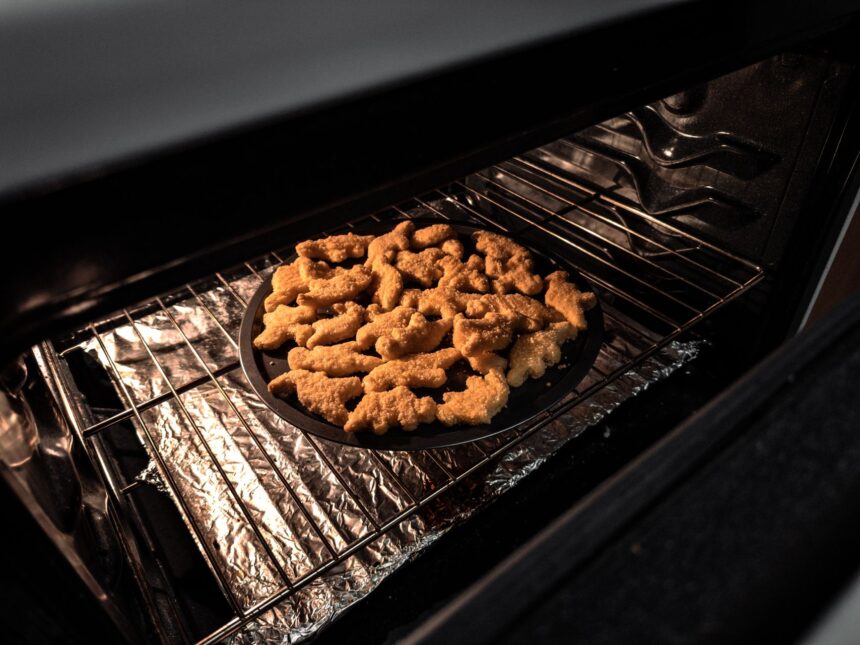
Ultra-processed Food Consumption and Kidney Cancer Risk
Association patterns observed across study population, 2000–2020

Source: The Lancet Regional Health – Americas, 2026 | GMJ News
What defines ultra-processed foods and why they matter
Ultra-processed foods (UPF) are industrial formulations typically high in added sugars, sodium, and saturated fats while low in fibre and micronutrients. According to the Pan American Health Organization (PAHO), these products are designed to be hyperpalatable and convenient, often replacing minimally processed whole foods in modern diets. Examples include mass-produced snacks, sugary beverages, instant noodles, processed meats, and confectionery.
The NOVA food classification system, developed to categorise foods by degree of processing, has become the standard framework for studying UPF in epidemiological research. This classification distinguishes between whole foods, minimally processed foods, processed ingredients, and ultra-processed formulations—allowing researchers to isolate the health effects of industrial processing itself from those of individual nutrients.
Higher consumption of ultra-processed foods was associated with increased risk of renal cell carcinoma and clear-cell RCC in a 20-year prospective analysis of over 300,000 US adults, with a dose-response relationship observed between intake frequency and cancer incidence.
— The Lancet Regional Health – Americas, 2026
Biological mechanisms and the role of additives
The specific biological pathways linking UPF consumption to kidney cancer remain under investigation, but several candidate mechanisms have been proposed. Ultra-processed foods typically contain high levels of artificial additives—including preservatives, emulsifiers, and colorants—that may promote chronic inflammation and oxidative stress in the kidneys. Additionally, the high sodium content in many UPF products could directly damage renal tissue through hypertension, a known risk factor for RCC. The excessive added sugar in these formulations may contribute through insulin resistance and obesity, both established kidney cancer risk factors.
A growing body of research suggests that the cumulative burden of chemical additives may be more harmful than any single ingredient. According to the International Agency for Research on Cancer (IARC), some additives and processing by-products have been classified as Group 1 or Group 2A carcinogens. The NIH-AARP analysis does not quantify specific additives but rather examines overall UPF consumption patterns—suggesting that the cancer risk stems from the combined effect of multiple processing-related exposures rather than a single compound.
This represents an important distinction from traditional nutritional epidemiology, which often examines individual nutrients in isolation. Clinical evidence increasingly suggests that the food matrix—the complex interaction of nutrients, additives, and processing methods—plays a crucial role in determining health outcomes.
Consistency with broader epidemiological evidence
The NIH-AARP findings align with multiple published cohort studies linking UPF consumption to colorectal cancer, breast cancer, and cardiovascular disease. A meta-analysis and systematic review published in recent years documented consistent associations between high UPF intake and elevated cancer risk across multiple anatomical sites. However, kidney cancer as an outcome has received comparatively less research attention, making this prospective analysis a meaningful addition to the epidemiological literature.
The dose-response relationship observed in the NIH-AARP data—in which risk increases proportionally with consumption frequency—strengthens the causal interpretation, as dose-response associations are considered one of the Bradford Hill criteria for inferring causation in observational epidemiology. This pattern suggests that the association is not merely confounded by unmeasured lifestyle factors but reflects a true biological relationship between UPF intake and RCC development.
Renal cell carcinoma incidence has been rising globally, and established risk factors include smoking, obesity, hypertension, and chronic kidney disease. The identification of dietary UPF consumption as an independent risk factor offers a potentially modifiable exposure that could be targeted through public health interventions and individual dietary counselling. Unlike genetic predisposition or occupational exposures, food choices remain within the control of individuals and are amenable to behavioural and policy-level intervention.
Implications for clinical practice and public health policy
For individual patients, particularly those with family history of kidney cancer or other renal risk factors, reducing UPF consumption represents a low-cost, accessible dietary modification aligned with established cancer prevention guidelines. The World Cancer Research Fund International already recommends limiting ultra-processed foods as part of comprehensive cancer prevention strategy, and this study provides specific epidemiological evidence for kidney cancer prevention.
At the population level, these findings support stronger regulatory frameworks around food marketing, labelling, and reformulation of ultra-processed products. Several countries, including Chile, Mexico, and Uruguay, have implemented warning labels on foods high in calories, sodium, and added sugars—interventions informed partly by epidemiological evidence of diet-disease associations. The evidence from the NIH-AARP study could inform similar policy discussions in other jurisdictions, including the United States.
Future research should seek to identify specific UPF additives or processing methods most strongly associated with RCC risk, enabling more precise dietary guidance. Mechanistic studies examining inflammatory markers, renal function biomarkers, and carcinogenic compound levels in individuals with varying UPF intake patterns could clarify the biological pathways. Additionally, intervention trials testing whether reduction of UPF consumption improves renal function or reduces cancer biomarkers would provide stronger evidence for causal inference.
What this means
Frequently asked questions
Does this study prove that ultra-processed foods cause kidney cancer?
No—this is a prospective cohort study, which can establish associations but cannot definitively prove causation. The observed dose-response relationship and consistency with other diet-cancer evidence strengthen the causal interpretation, but randomised controlled trials or mechanistic studies would be needed for absolute proof. However, the evidence is sufficiently robust to support dietary reduction of UPF as a prudent public health measure alongside other established cancer prevention strategies.
What is the absolute increase in kidney cancer risk from eating ultra-processed foods?
The study publication in The Lancet Regional Health – Americas contains detailed risk estimates, but precise hazard ratios or absolute risk differences are presented in the full-text tables. The key message is a dose-response relationship, meaning risk increases with consumption frequency, rather than a single threshold effect. Most kidney cancers remain relatively rare even in the highest intake group, but relative risk is substantially elevated compared to lower consumers.
Are all ultra-processed foods equally risky?
The NIH-AARP analysis examined overall UPF consumption rather than specific product categories. However, mechanistic reasoning suggests that products highest in added sodium, artificial additives, and refined sugars—such as processed meats, sugary beverages, and packaged snacks—may carry higher risk than less-processed options like wholegrain cereals or low-sugar yoghurt-based products. Future research using more granular food categorisation could identify higher-risk subcategories within the UPF spectrum.
As global obesity and ultra-processed food consumption continue to rise, understanding the full spectrum of health consequences remains a critical research priority. The NIH-AARP findings contribute an important piece to the epidemiological puzzle linking industrial food systems to chronic disease burden. Whether this evidence catalyses meaningful dietary behaviour change or policy reform—and whether mechanistic research identifies specific targets for food industry intervention—will determine the true public health impact of these findings.
🗺️ Find certified Georgian healthcare providers: sheniekimi.ge — Georgia Health Map · 998 clinics · 6,600+ doctors · 2,296 pharmacies
Was this article helpful?
Disclaimer. This article is health journalism intended for general information and education. It is not medical advice and is not a substitute for professional diagnosis or treatment. Always consult a qualified healthcare provider about your individual circumstances. Full disclaimer →
Related Coverage


Editorial standards. This article was produced under the GMJ News editorial process, with oversight by the GMJ Editorial Board. Our editorial process. Spotted an error? Contact the editorial team.