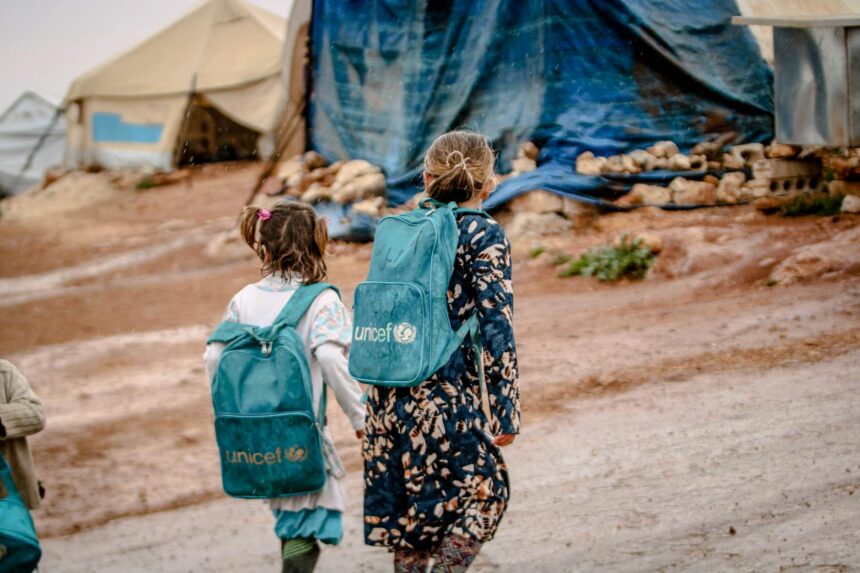
Rising global transport costs are forcing UNICEF to reduce procurement of essential medical supplies for children, creating a direct threat to global child health outcomes in 2024.
Key takeaways
- Transport cost increases are reducing UNICEF’s purchasing power for essential child health supplies
- The crisis affects vaccines, therapeutic foods, and medical equipment delivery to vulnerable populations
- Supply chain disruptions compound existing challenges in reaching children in humanitarian settings
Global supply chain crisis impacts child health
The ongoing global supply chain disruption has created unprecedented challenges for humanitarian organizations delivering essential health supplies to children. According to UNICEF’s latest statement, increased transportation costs are directly reducing the organization’s ability to procure lifesaving supplies for vulnerable children worldwide.
This development represents a critical threat to global child health, particularly in regions already facing humanitarian crises. For more analysis on global health supply chains, see our coverage in Global Health.
Impact on Essential Child Health Supplies
Key areas affected by increased transport costs

Source: UNICEF, 2024 | Georgian Medical Journal News
Essential supplies at risk
The cost increases particularly affect temperature-sensitive supplies such as vaccines and therapeutic foods, which require specialized cold-chain transport. Medical equipment and essential medicines for treating childhood diseases are also impacted by the transport cost inflation.
This situation compounds existing challenges in reaching children in conflict zones and remote areas where transport infrastructure is already compromised. The World Health Organization has previously highlighted how supply chain disruptions disproportionately affect vulnerable populations.
Implications for humanitarian response
The transport cost crisis creates a cascading effect on humanitarian response capacity. Reduced procurement means fewer children can access essential health interventions, potentially reversing decades of progress in child mortality reduction.
Organizations must now make difficult decisions about resource allocation, potentially prioritizing certain supplies over others. This challenge is explored further in our Health Policy coverage.
Transport cost increases are forcing humanitarian organizations to reduce procurement of essential medical supplies, creating direct threats to child health outcomes globally.
— UNICEF (Press Release, 2024)
What this means
Frequently asked questions
Which supplies are most affected by transport cost increases?
Temperature-sensitive supplies like vaccines and therapeutic foods are particularly impacted due to their specialized transport requirements. Medical equipment and essential medicines also face procurement challenges due to increased shipping costs.
How does this affect children in emergency situations?
Children in conflict zones and humanitarian crises face the greatest risk, as these areas already have compromised transport infrastructure. Reduced supply availability compounds existing challenges in reaching vulnerable populations.
What can be done to address this crisis?
Solutions require coordinated international action to address transport cost inflation, improve supply chain efficiency, and ensure continued funding for humanitarian organizations to maintain their procurement capacity.
The transport cost crisis represents a critical challenge for global child health that requires immediate attention from the international community. Addressing this issue is essential to prevent reversals in child mortality reduction and ensure continued access to lifesaving supplies for the world’s most vulnerable children.
Source: Increased transport costs mean less money for the lifesaving supplies children need
Was this article helpful?
100% of readers found this helpful (1 votes)
Disclaimer. This article is health journalism intended for general information and education. It is not medical advice and is not a substitute for professional diagnosis or treatment. Always consult a qualified healthcare provider about your individual circumstances. Full disclaimer →
Related Coverage




Medically reviewed by Prof. Giorgi Pkhakadze, MD, MPH, PhD. Spotted an error? Contact the editorial team.