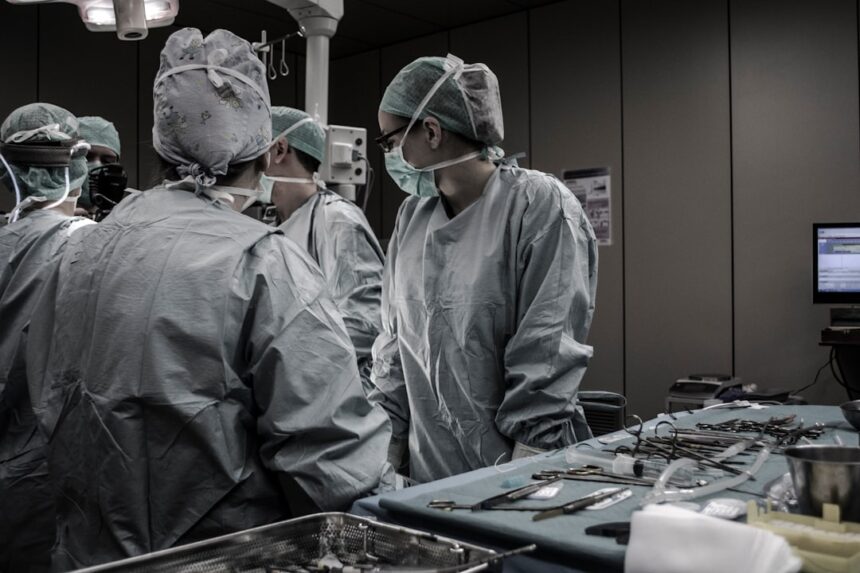
A French physician’s personal reflection published in The Lancet reveals the complex psychological burden faced by healthcare professionals who treat trauma while simultaneously experiencing it through distant conflicts affecting their homelands.
Key takeaways
- Healthcare professionals treating trauma may experience parallel psychological activation when witnessing distant conflicts affecting their homelands
- The perspective highlights the intersection of personal trauma, professional duty, and emotional regulation in medical practice
- The account demonstrates how war-related stress can manifest in healthcare workers even when physically distant from conflict zones
Healthcare Workers’ Dual Reality During Conflicts
Psychological states experienced by medical professionals treating trauma while connected to distant wars
Source: The Lancet, 2026 | Georgian Medical Journal News
The Psychology of Distance and Connection
The author describes experiencing “subtle activation of threat-related vigilance and emotional memory” while maintaining professional composure during patient consultations. This phenomenon illustrates how trauma can transcend geographical boundaries, particularly affecting healthcare workers who are trained to process suffering professionally but may struggle when it intersects with personal experience.

The World Health Organization recognizes that healthcare workers are at elevated risk for mental health challenges, particularly during conflicts and humanitarian crises. This personal account adds nuance to our understanding of how indirect trauma exposure affects medical professionals.
Professional Duty Amid Personal Turmoil
The physician’s ability to continue patient care while processing images of destruction from Beirut demonstrates the compartmentalization skills that medical training develops. However, the acknowledgment that “something within me has shifted” suggests these professional defenses may be incomplete when personal connections to trauma are involved.
Research published in medical literature has documented secondary traumatic stress among healthcare professionals, but this account provides insight into the specific challenges faced by those with personal ties to conflict zones.
The global health implications extend beyond individual healthcare workers to healthcare system resilience during prolonged conflicts affecting diaspora communities.
Memory and Medical Practice
The intersection of personal memory and professional practice described in this perspective raises questions about how healthcare systems support workers with connections to conflict zones. The author’s recognition of clinical processes within their own psychological response demonstrates the reflexive awareness that medical training can provide, even in personal trauma processing.
The clinical implications suggest that healthcare institutions may need to develop specific support frameworks for staff members affected by distant conflicts, recognizing that professional competence and personal vulnerability can coexist.
Resistance and Resilience in Medical Practice
The title reference to “what resists within” points to the psychological and professional resources that enable healthcare workers to continue functioning despite personal trauma exposure. This resistance may include clinical training, professional identity, and the therapeutic value of continuing to help others during personal distress.
Understanding these mechanisms of professional resilience could inform support strategies for healthcare workers in similar situations, particularly as global conflicts increasingly affect diaspora medical communities worldwide.
Healthcare professionals may experience threat-related vigilance activation when witnessing distant conflicts affecting their homelands while maintaining professional duties
— Anonymous physician, France (The Lancet, 2026)
What this means
Frequently asked questions
How common is secondary trauma among healthcare workers?
Research indicates that healthcare professionals, particularly those in trauma-related specialties, experience elevated rates of secondary traumatic stress. The risk increases when personal connections to traumatic events exist.
What support systems exist for healthcare workers affected by distant conflicts?
Most healthcare institutions offer employee assistance programs, but specific frameworks for diaspora healthcare workers affected by homeland conflicts remain underdeveloped in many systems.
Can healthcare workers maintain professional effectiveness while processing personal trauma?
Evidence suggests that with appropriate support and self-awareness, healthcare professionals can continue delivering quality care while managing personal trauma, though institutional support is crucial for long-term sustainability.
This perspective from The Lancet contributes to growing recognition that healthcare worker mental health is integral to healthcare system resilience, particularly as global conflicts increasingly affect medical communities worldwide. The integration of personal experience with clinical insight offers valuable understanding of the complex psychological landscape healthcare professionals navigate during times of distant conflict.
Source: [Perspectives] Between two worlds: war, memory, and what resists within
Was this article helpful?
Disclaimer. This article is health journalism intended for general information and education. It is not medical advice and is not a substitute for professional diagnosis or treatment. Always consult a qualified healthcare provider about your individual circumstances. Full disclaimer →
Related Coverage



Medically reviewed by Prof. Giorgi Pkhakadze, MD, MPH, PhD. Spotted an error? Contact the editorial team.