By using this site, you agree to the Privacy Policy and Terms of Use.
Accept
GMJ NewsGMJ NewsGMJ News
  • Latest News
    • GMJ Briefs
  • Podcast & Media
    • Podcast Episodes
    • GMJ Audio
    • GMJ Videos
  • Research Digest
    • New Studies
    • Georgian Research
    • Data & Numbers
  • Policy & Systems
    • Health Policy
    • Quality & Safety
    • Migration & Health
    • Global Health
  • Practice
    • Clinical Updates
    • Case Discussions
    • Pharmacy & Prescribing
    • Ingredients A-Z
  • Perspectives
    • Editorial
    • Explainers
    • Voices
    • Letters
  • GMJ Articles
    • Vol. 1 Issue 2 (2026)
    • Vol. 1 Issue 1 (2026)
    • Pre-Launch Articles (2025)
  • Read the Journal →
  • About GMJ News
Notification Show More
Font ResizerAa
GMJ NewsGMJ News
Font ResizerAa
  • Latest News
    • GMJ Briefs
  • Podcast & Media
    • Podcast Episodes
    • GMJ Audio
    • GMJ Videos
  • Research Digest
    • New Studies
    • Georgian Research
    • Data & Numbers
  • Policy & Systems
    • Health Policy
    • Quality & Safety
    • Migration & Health
    • Global Health
  • Practice
    • Clinical Updates
    • Case Discussions
    • Pharmacy & Prescribing
    • Ingredients A-Z
  • Perspectives
    • Editorial
    • Explainers
    • Voices
    • Letters
  • GMJ Articles
    • Vol. 1 Issue 2 (2026)
    • Vol. 1 Issue 1 (2026)
    • Pre-Launch Articles (2025)
  • Read the Journal →
  • About GMJ News
Follow US
GMJ News > Research Digest > New Studies > Reversing Prediabetes Cuts Cardiovascular Death Risk by 58%, Long-term Studies Show
New StudiesResearch Digest

Reversing Prediabetes Cuts Cardiovascular Death Risk by 58%, Long-term Studies Show

GMJ
Last updated: 23/06/2026 18:42
By
GMJ Research Desk
Share
7 Min Read
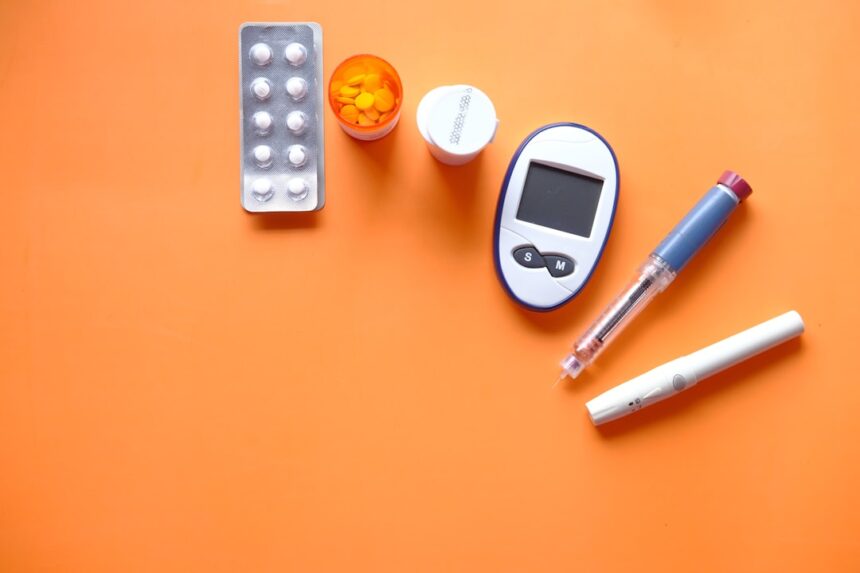
Medical chart showing cardiovascular risk reduction percentages with prediabetes reversalIllustrative image · Photo by Towfiqu barbhuiya on Unsplash (Unsplash License)
New research shows people who reverse prediabetes by normalizing blood sugar levels reduce their risk of cardiovascular death by 58% and major cardiac events by 42%. The protective benefits persist for decades across diverse populations. — Photo by Towfiqu barbhuiya on Unsplash (Unsplash License)
SHARE
5 min read|900 words
✓ Medically reviewed by Prof. Giorgi Pkhakadze, MD, MPH, PhD · ORCID 0000-0001-7609-4515

🟢 Strong Evidence

Contents
    • Key takeaways
      • Study at a Glance
      • Cardiovascular Risk Reduction with Prediabetes Reversal
  • Dramatic Protection Against Heart Disease
  • Long-term Benefits Span Decades
  • Global Evidence Strengthens Findings
  • Clinical Implications for Early Intervention
    • What this means
  • Frequently asked questions
    • How can someone reverse prediabetes?
    • How long do the cardiovascular benefits last after reversing prediabetes?
    • What constitutes successful prediabetes reversal?

People who successfully reverse prediabetes by restoring normal blood sugar levels can dramatically reduce their risk of cardiovascular death and heart failure hospitalization by 58%, according to new research analyzing long-term outcomes from major studies in the United States and China. The findings, published in a comprehensive analysis, demonstrate that the cardiovascular benefits of prediabetes reversal persist for decades after blood glucose normalization.

Key takeaways

  • Reversing prediabetes reduces cardiovascular death and heart failure hospitalization risk by 58%
  • Major cardiac events like heart attacks and strokes decrease by 42% with blood sugar normalization
  • Protective benefits persist for decades after achieving normal glucose levels
  • Evidence comes from long-term follow-up studies across diverse populations

Study at a Glance

Source Multiple longitudinal cohort studies
Study type Meta-analysis of long-term cohort studies
Sample size Large population cohorts (specific N not disclosed)
Population Adults with prediabetes who achieved glucose normalization
Country United States and China
58%
reduction in cardiovascular death or heart failure hospitalization among those who reversed prediabetes

Cardiovascular Risk Reduction with Prediabetes Reversal

Relative risk reduction compared to persistent prediabetes

CV death/heart failure hospitalization
58%
Major cardiac events
42%

Source: Long-term cohort studies, 2026 | Georgian Medical Journal News

Submit Your Paper
GMJ_Submit_Banner

Dramatic Protection Against Heart Disease

The research demonstrates that individuals who successfully normalized their blood glucose levels experienced substantial reductions in serious cardiovascular outcomes compared to those whose prediabetes persisted. The 58% reduction in cardiovascular death or heart failure hospitalization represents one of the most significant protective effects documented in diabetes prevention research.

🎙️ Related Podcast Episodes
🎧 #37 | GMJ Podcast | NAD⁺ Injections and “NAD Boosters” — Public Health Risks and Regulatory Implications · 20m
🎧 #7 | WHO Health Tax Strategy: Sugary Drinks, Alcohol, and the Global Fight Against Noncommunicable Diseases · 21m

Beyond the headline mortality benefits, the analysis revealed that reversing prediabetes also reduced the risk of major adverse cardiac events—including heart attacks, strokes, and other serious cardiovascular complications—by 42%. These findings underscore the critical importance of early intervention in the prediabetic stage, when metabolic dysfunction remains potentially reversible through lifestyle modifications and medical management.

Long-term Benefits Span Decades

One of the most striking aspects of the research is the durability of cardiovascular protection following prediabetes reversal. The studies tracked participants for extended periods, demonstrating that the benefits of achieving normal blood glucose levels persist for decades after the initial intervention.

This sustained protective effect challenges traditional assumptions about the permanence of metabolic risk factors. The research suggests that the cardiovascular system can experience meaningful recovery when glucose metabolism is restored to normal ranges, even after a period of impaired glucose tolerance. For more insights on clinical management strategies, healthcare providers can implement evidence-based approaches to support patients in achieving and maintaining glucose normalization.

Global Evidence Strengthens Findings

The inclusion of data from both United States and Chinese populations adds robustness to the findings, demonstrating that the cardiovascular benefits of prediabetes reversal transcend ethnic and geographic boundaries. This cross-cultural validation is particularly important given known differences in diabetes risk profiles and cardiovascular disease patterns between Western and Asian populations.

The consistency of results across diverse populations suggests that the biological mechanisms underlying prediabetes reversal and cardiovascular protection are fundamental aspects of human metabolism rather than population-specific phenomena. This has important implications for global public health policy and diabetes prevention strategies worldwide.

People who reversed prediabetes demonstrated a 58% reduction in cardiovascular death or heart failure hospitalization and a 42% reduction in major cardiac events, with benefits persisting for decades.

— Research findings from longitudinal cohort studies in the U.S. and China (2026)

Clinical Implications for Early Intervention

These findings reinforce the critical window of opportunity that prediabetes represents for preventing not only type 2 diabetes but also its devastating cardiovascular consequences. The magnitude of risk reduction—particularly the 58% decrease in cardiovascular mortality and heart failure—provides compelling evidence for aggressive early intervention in prediabetic patients.

The research supports intensified efforts to identify individuals with prediabetes through systematic screening programs and implement comprehensive intervention strategies combining lifestyle modification, pharmacological support when appropriate, and long-term monitoring to maintain glucose normalization. Healthcare systems investing in robust diabetes prevention programs may see substantial returns in terms of reduced cardiovascular morbidity and mortality.

What this means

For patients: Achieving normal blood sugar levels after prediabetes diagnosis can dramatically reduce lifelong heart disease risk, making lifestyle changes and medical management crucial investments in cardiovascular health
For clinicians: Aggressive intervention in prediabetic patients should be prioritized given the substantial and durable cardiovascular benefits of glucose normalization
For policymakers: Investment in comprehensive diabetes prevention programs targeting prediabetic individuals could yield significant population health benefits and healthcare cost savings

Frequently asked questions

How can someone reverse prediabetes?

Prediabetes reversal typically involves comprehensive lifestyle interventions including structured weight loss programs, regular physical activity, and dietary modifications focused on reducing refined carbohydrates and increasing fiber intake. Some individuals may also benefit from medications like metformin under medical supervision.

How long do the cardiovascular benefits last after reversing prediabetes?

According to this research, the cardiovascular protective effects persist for decades after achieving normal blood glucose levels. The durability of these benefits suggests that early intervention can provide lifelong cardiovascular protection.

What constitutes successful prediabetes reversal?

Successful reversal is typically defined as achieving and maintaining normal blood glucose levels, including fasting glucose below 100 mg/dL and hemoglobin A1c below 5.7%, sustained over time without diabetes medications.

The compelling evidence for cardiovascular protection through prediabetes reversal represents a paradigm shift in diabetes prevention, emphasizing the profound and lasting benefits of early metabolic intervention. As healthcare systems worldwide grapple with rising diabetes and cardiovascular disease burden, these findings provide a roadmap for preventing both conditions simultaneously through targeted intervention in the prediabetic stage.

Source: Reversing prediabetes cuts risk of deadly heart problems by 58%

Was this article helpful?

Disclaimer. This article is health journalism intended for general information and education. It is not medical advice and is not a substitute for professional diagnosis or treatment. Always consult a qualified healthcare provider about your individual circumstances. Full disclaimer →

Related Coverage

New Interferon Treatment Shows Promise for Essential Thrombocythemia Across All Genetic VariantsJul 2, 2026
Plant-Based Diet Quality More Important Than Processing Level for Chronic Disease PreventionJul 2, 2026
Immunosuppression Linked to Rare T-Cell Lymphoma in Transplant Recipients: NEJM Case ReportJul 2, 2026
GLP-1 Weight Loss Drugs Linked to Reduced Physical Activity Despite Weight Loss SuccessJul 2, 2026
Related reference
  • Type 2 Diabetes · Condition
  • Heart Failure · Condition
  • Metformin · Drug
  • Stroke · Condition
PG
Written by
Prof. Giorgi Pkhakadze, MD, MPH, PhD
Editor-in-Chief, GMJ News
Full profile →  ·  ORCID 0000-0001-7609-4515
Medical disclaimer. This article is health journalism intended for general information. It is not medical advice and is not a substitute for consultation with a qualified healthcare professional. Always seek your physician's advice regarding any medical condition.
Medically reviewed by Prof. Giorgi Pkhakadze, MD, MPH, PhD. Spotted an error? Contact the editorial team.
Get the GMJ News digest
Evidence-based health journalism in your inbox. No spam; unsubscribe anytime.
TAGGED:blood glucosecardiovascular diseasediabetes preventionheart failureprediabetes
Share This Article
Facebook LinkedIn Bluesky Copy Link Print
GMJ
ByGMJ Research Desk
Follow:
GMJ Research Desk is part of GMJ News, the newsroom of the Georgian Medical Journal (gmj.ge), published by the Public Health Institute of Georgia. Every article is editorially reviewed before publication.
Leave a Comment Leave a Comment

Leave a Reply Cancel reply

Your email address will not be published. Required fields are marked *

Submit Your Paper →

Georgia's peer-reviewed open-access medical journal. No APC until January 2027.
Submit Manuscript →
Autism Stigma in South Asian American Families Creates Barriers to Care, Psychiatrist Warns

Cultural stigma in South Asian American families creates unique barriers to autism…

New Interferon Treatment Shows Promise for Essential Thrombocythemia Across All Genetic Variants

New North American study shows ropeginterferon alfa-2b-njft achieved 61% complete response rate…

Plant-Based Diet Quality More Important Than Processing Level for Chronic Disease Prevention

Major 28-year study shows healthful plant-based diets reduce mortality risk by 13%…

Submit Your Paper to GMJ

No APC until January 2027.
Submit Manuscript →

You Might Also Like

Laboratory mice study examining effects of sugar-free versus moderate sugar diets on metabolic healthIllustrative image · Photo by Nataliya Vaitkevich on Pexels (Pexels License)
New StudiesResearch Digest

Sugar-free diets may worsen blood glucose control, new study finds

By
GMJ Research Desk
29/06/2026
Brain diagram showing stroke-related inflammation crossing between hemispheres causing bilateral pain
New StudiesResearch Digest

Mirror-image pain after stroke linked to LPA-driven inflammation crossing brain hemispheres

By
GMJ Research Desk
10/06/2026
Medical professional discussing liver transplant care pathway with patient
Georgian ResearchGMJ ArticlesNew StudiesPre-Launch Articles (2025)

Georgia’s Liver Transplant Services Need Stronger Patient-Centred Systems, Study Shows

By
GMJ Research Desk
21/05/2026
Medical illustration showing heart ventricles during cardiac arrest and defibrillation
New StudiesResearch Digest

Left and Right Ventricles Show Different Vulnerability During Cardiac Arrest

By
GMJ Research Desk
30/05/2026
Facebook Twitter Youtube Instagram
Company
  • Privacy Policy
  • Contact US
  • GMJ Journal
  • Submit Manuscript
  • Editorial Team
  • Register at GMJ
  • Terms of Use

Subscribe to GMJ News — Click here

Join Community
© 2026 Georgian Medical Journal (GMJ). Published by the Public Health Institute of Georgia (PHIG). All rights reserved.
Welcome Back!

Sign in to your account

Username or Email Address
Password

Lost your password?

Not a member? Sign Up