🟠 Moderate Evidence
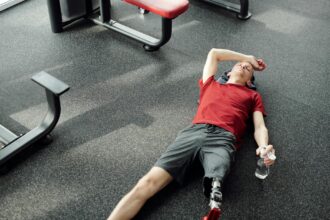
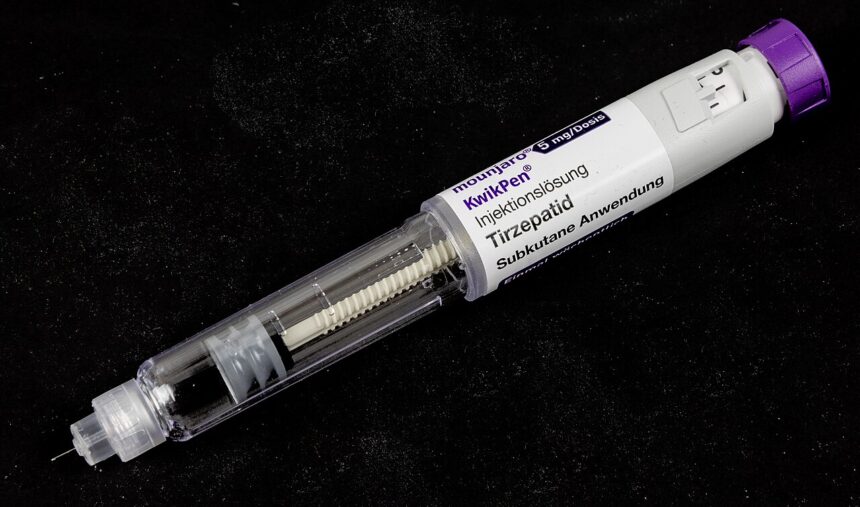
People taking popular GLP-1 weight-loss medications including Ozempic, Wegovy, Mounjaro, and Zepbound are achieving significant weight reduction but simultaneously reducing their daily physical activity levels, according to new research analyzing fitness tracker data. The study raises important questions about muscle preservation and long-term health outcomes for the millions using these medications.
Key takeaways
- Daily step counts and exercise levels declined after patients started GLP-1 weight loss medications
- Weight loss success did not correlate with maintained physical activity levels
- Reduced activity raises concerns about muscle mass preservation during treatment
Study at a Glance
| Source | Fitbit Data Analysis |
| Study type | Observational cohort study |
| Sample size | Fitbit users on GLP-1 medications |
| Population | Adults using weight-loss medications |
| Country | United States |
Physical Activity Changes on GLP-1 Medications
Comparison of activity levels before and after treatment initiation
Source: Fitbit Data Analysis, 2024 | Georgian Medical Journal News

Fitness Tracker Data Reveals Unexpected Pattern
Researchers analyzed comprehensive Fitbit data from users who began GLP-1 receptor agonist medications, comparing their physical activity patterns before and after treatment initiation. The Centers for Disease Control and Prevention recommends adults engage in at least 150 minutes of moderate-intensity aerobic activity weekly.
The analysis found a consistent pattern of decreased daily step counts and reduced exercise frequency among medication users, despite successful weight loss outcomes. This finding challenges assumptions that weight loss medications would naturally lead to increased physical activity as patients feel more energetic and confident.
Muscle Mass Preservation Concerns
GLP-1 medications work by slowing gastric emptying and affecting appetite-regulating hormones, leading to reduced caloric intake and subsequent weight loss. However, National Institutes of Health research has shown that rapid weight loss can result in both fat and muscle tissue reduction.
The combination of medication-induced muscle loss and decreased physical activity creates a concerning scenario for long-term health outcomes. Physical activity, particularly resistance exercise, is crucial for maintaining muscle mass during weight loss phases. For more insights on clinical treatment updates, researchers emphasize the importance of structured exercise programs.
Clinical Implications for Treatment Protocols
The findings suggest that healthcare providers prescribing GLP-1 medications should proactively address physical activity maintenance as part of comprehensive treatment plans. Current prescribing protocols may need revision to include mandatory exercise counseling and monitoring.
Some obesity medicine specialists are already implementing combined approaches that pair GLP-1 medications with supervised exercise programs. The Food and Drug Administration approval process for these medications focused primarily on weight loss efficacy rather than comprehensive metabolic health outcomes.
Daily physical activity declined significantly after GLP-1 medication initiation, despite successful weight loss outcomes in study participants.
— Research Team, Fitbit Data Analysis (2024)
Long-term Health Considerations
The reduced physical activity pattern raises questions about the sustainability of health benefits beyond initial weight loss. Cardiovascular fitness, bone density, and metabolic flexibility all depend heavily on regular physical activity maintenance.
Future research should examine whether activity levels recover over time or remain suppressed throughout treatment duration. The World Health Organization emphasizes physical activity as essential for preventing chronic disease, independent of body weight status.
What this means
Frequently asked questions
Do GLP-1 medications cause people to exercise less?
Research suggests physical activity levels decline after starting these medications, though the exact mechanism is unclear. It may be related to reduced energy levels or changes in motivation patterns.
Can you maintain muscle mass while taking weight loss drugs?
Yes, but it requires intentional effort through resistance exercise and adequate protein intake. Without physical activity, rapid weight loss typically includes significant muscle tissue loss.
Should I increase exercise when starting GLP-1 medications?
Consult your healthcare provider about appropriate activity levels. Many experts recommend maintaining or gradually increasing physical activity to preserve muscle mass during treatment.
As GLP-1 medications become increasingly prevalent for weight management, understanding their broader effects on lifestyle patterns becomes crucial for optimizing patient outcomes. Healthcare systems must evolve treatment approaches to address not just weight loss, but comprehensive metabolic health including physical fitness maintenance.
Source: People taking GLP-1 weight loss drugs like Ozempic started moving less
Was this article helpful?
Disclaimer. This article is health journalism intended for general information and education. It is not medical advice and is not a substitute for professional diagnosis or treatment. Always consult a qualified healthcare provider about your individual circumstances. Full disclaimer →
Related Coverage



Editorial standards. This article was produced under the GMJ News editorial process, with oversight by the GMJ Editorial Board. Our editorial process. Spotted an error? Contact the editorial team.