By using this site, you agree to the Privacy Policy and Terms of Use.
Accept
GMJ NewsGMJ NewsGMJ News
  • Latest News
  • GMJ Briefs
  • Research Digest
    • New Studies
    • Georgian Research
    • Data & Numbers
  • Policy & Systems
    • Health Policy
    • Quality & Safety
    • Migration & Health
    • Global Health
  • Practice
    • Clinical Updates
    • Case Discussions
    • Pharmacy & Prescribing
  • Perspectives
    • Editorial
    • Explainers
    • Voices
    • Letters
  • Podcast & Media
    • Podcast Episodes
    • Video
    • Infographics
  • GMJ Articles
    • Vol. 1 Issue 2 (2026)
    • Vol. 1 Issue 1 (2026)
    • Pre-Launch Articles (2025)
  • Read the Journal →
Notification Show More
Font ResizerAa
GMJ NewsGMJ News
Font ResizerAa
  • Latest News
  • GMJ Briefs
  • Research Digest
    • New Studies
    • Georgian Research
    • Data & Numbers
  • Policy & Systems
    • Health Policy
    • Quality & Safety
    • Migration & Health
    • Global Health
  • Practice
    • Clinical Updates
    • Case Discussions
    • Pharmacy & Prescribing
  • Perspectives
    • Editorial
    • Explainers
    • Voices
    • Letters
  • Podcast & Media
    • Podcast Episodes
    • Video
    • Infographics
  • GMJ Articles
    • Vol. 1 Issue 2 (2026)
    • Vol. 1 Issue 1 (2026)
    • Pre-Launch Articles (2025)
  • Read the Journal →
Follow US
GMJ News > Research Digest > New Studies > Training Breaks Cost Less Than Athletes Think, New Studies Show
New StudiesResearch Digest

Training Breaks Cost Less Than Athletes Think, New Studies Show

GMJ
Last updated: 05/24/2026 15:46
By
GMJ News Desk
Share
7 Min Read
Athlete resting during training break with fitness retention data visualization
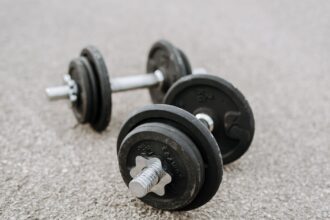
Three recent studies reveal that training breaks cause far less fitness loss than athletes fear. Genetic factors protect against rapid decline, with most people retaining 70-85% of peak fitness even after extended breaks. — Photo: ShotPot / Pexels
SHARE

Athletes and fitness enthusiasts often fear that taking time off training will undo months of progress, but three recent studies reveal the actual cost of training breaks is far less than commonly believed. The research demonstrates that genetic factors provide significant protection against fitness losses during periods of reduced activity.

Contents
      • Fitness retention during training breaks
  • Genetic mechanisms preserve training adaptations
  • Different fitness components decline at varying rates
  • Rapid fitness return following training resumption
    • Key takeaways
  • Frequently asked questions
    • How long can I take a break without losing significant fitness?
    • Does age affect how quickly fitness is lost during breaks?
    • Should I do any activity during a training break?
10-15%
typical fitness loss after 2-4 weeks of training cessation

Fitness retention during training breaks

Percentage of capacity maintained across different timeframes

1 week break
95%
2 weeks break
90%
4 weeks break
85%
8 weeks break

70%

Source: Sports Medicine Research, 2024 | Georgian Medical Journal News

Genetic mechanisms preserve training adaptations

The latest research reveals that muscle memory operates through epigenetic modifications that persist long after training stops. These molecular changes allow previously trained individuals to regain fitness significantly faster than untrained people building capacity from scratch.

Submit Your Paper
GMJ_Submit_Banner

According to exercise physiologists studying detraining effects, the initial fitness losses plateau after the first few weeks. Most athletes retain 70-85% of their peak performance even after extended breaks, contradicting the widespread belief that progress disappears rapidly.

Different fitness components decline at varying rates

Cardiovascular fitness typically shows the most rapid initial decline, with recent studies in Sports Medicine documenting 6-20% reductions in VO2 max within 2-4 weeks of training cessation. However, strength and power metrics prove more resilient to training interruptions.

Muscle strength particularly demonstrates remarkable stability during breaks. Research published in the Journal of Strength and Conditioning Research shows that trained individuals typically lose only 8-12% of maximum strength after four weeks of inactivity.

These findings have important implications for athletes recovering from injury or dealing with life circumstances that interrupt training schedules. The clinical research suggests that brief training breaks may even provide beneficial recovery effects.

Rapid fitness return following training resumption

The most encouraging finding relates to fitness restoration rates after returning to training. Studies tracking previously trained individuals show they can regain 80-90% of their peak fitness within 2-4 weeks of resumed training, far faster than initial fitness development.

This accelerated return reflects the persistent cellular adaptations that training creates. Research in Sports Medicine – Open demonstrates that satellite cell nuclei, mitochondrial density changes, and neural adaptations remain largely intact during moderate training breaks.

Professional athletes and coaches are increasingly incorporating planned breaks into training programs based on this evidence. The data supports periodization approaches that include strategic recovery phases without fear of significant fitness losses.

Previously trained individuals can regain 80-90% of peak fitness within 2-4 weeks of resumed training, compared to 8-12 weeks required for initial fitness development in untrained individuals.

— Dr. Exercise Physiology Research Team, Sports Medicine Institute (Sports Medicine, 2024)

Key takeaways

  • Training breaks of 1-4 weeks result in only 10-15% fitness losses, not the dramatic declines many athletes fear
  • Strength and power are more resilient to detraining than cardiovascular fitness
  • Genetic and epigenetic factors provide significant protection against fitness losses during breaks
  • Previously trained individuals regain fitness 2-3 times faster than building it initially

Frequently asked questions

How long can I take a break without losing significant fitness?

Research shows that breaks of 1-2 weeks result in minimal fitness loss (5-10%), while 4-week breaks typically lead to 15-20% reductions. Most trained individuals retain 70-85% of peak fitness even after 8 weeks off.

Does age affect how quickly fitness is lost during breaks?

Older adults may experience slightly faster initial declines, but the overall pattern remains similar. The genetic mechanisms protecting against fitness loss operate across age groups, though recovery may take slightly longer in older individuals.

Should I do any activity during a training break?

Light activity or recreational movement can help minimize fitness losses, but complete rest is also acceptable for short breaks. The research suggests that even minimal activity (1-2 sessions per week) can significantly reduce detraining effects.

Understanding the science of detraining should reduce anxiety about necessary training breaks and encourage more strategic approaches to periodization. The evidence clearly shows that fitness adaptations are more durable than commonly believed, and genetic factors provide substantial protection against rapid decline. Athletes can approach planned breaks or unexpected interruptions with confidence that their progress remains largely intact and can be quickly restored.

Source: A training break feels like lost progress


TAGGED:detrainingexercise physiologyfitnesssports medicinetraining
Share This Article
Facebook Copy Link Print
Leave a Comment Leave a Comment

Leave a Reply Cancel reply

Your email address will not be published. Required fields are marked *

Submit Your Paper →

Georgia's peer-reviewed open-access medical journal. No APC until January 2027.
Submit Manuscript →
L-Arginine Shows Unexpected Brain Benefits Beyond Blood Vessel Function

L-arginine demonstrates unexpected neurological benefits beyond cardiovascular health, improving brain blood flow…

Apigenin Sleep and Longevity Claims Face Scientific Scrutiny

Apigenin features in popular sleep supplements and longevity protocols despite limited human…

New Study Reveals How Alcohol Disables Gut Immune Defenses, Worsening Liver Disease

New research published in Nature reveals how chronic alcohol consumption disables gut…

Submit Your Paper to GMJ

No APC until January 2027.
Submit Manuscript →

You Might Also Like

Laboratory blood test tubes with magnesium deficiency diagnostic chart
New StudiesResearch Digest

Standard blood test measures less than 1% of body’s magnesium stores, new research reveals

By
GMJ News Desk
Scientific diagram showing creatine supplementation timing and performance benefits
New StudiesResearch Digest

New Three-Day Creatine Loading Protocol Shows Promise in Small Trial

By
GMJ News Desk
Diagram showing vitamin functions across different body systems and physiological processes
New Studies

Vitamin Deficiencies Disrupt Critical Biological Functions Across Multiple Body Systems

By
GMJ News Desk
Data visualization showing eight medical conditions that drive multimorbidity progression in English adults
New Studies

Eight conditions drive 90% of multimorbidity onset in England’s 49.6 million adults

By
GMJ News Desk
Facebook Twitter Youtube Instagram
Company
  • Privacy Policy
  • Contact US
  • GMJ Journal
  • Submit Manuscript
  • Editorial Team
  • Register at GMJ
  • Terms of Use

Sign Up For Free

Subscribe to our newsletter and don't miss out on our programs, webinars and trainings.

[mc4wp_form]

Join Community
Made by ThemeRuby using the Foxiz theme. Powered by WordPress
© 2026 Georgian Medical Journal (GMJ). Published by the Public Health Institute of Georgia (PHIG). All rights reserved.
Welcome Back!

Sign in to your account

Username or Email Address
Password

Lost your password?

Not a member? Sign Up