By using this site, you agree to the Privacy Policy and Terms of Use.
Accept
GMJ NewsGMJ NewsGMJ News
  • Latest News
  • GMJ Briefs
  • Research Digest
    • New Studies
    • Georgian Research
    • Data & Numbers
  • Policy & Systems
    • Health Policy
    • Quality & Safety
    • Migration & Health
    • Global Health
  • Practice
    • Clinical Updates
    • Case Discussions
    • Pharmacy & Prescribing
  • Perspectives
    • Editorial
    • Explainers
    • Voices
    • Letters
  • Podcast & Media
    • Podcast Episodes
    • Video
    • Infographics
  • GMJ Articles
    • Vol. 1 Issue 2 (2026)
    • Vol. 1 Issue 1 (2026)
    • Pre-Launch Articles (2025)
  • Read the Journal →
Notification Show More
Font ResizerAa
GMJ NewsGMJ News
Font ResizerAa
  • Latest News
  • GMJ Briefs
  • Research Digest
    • New Studies
    • Georgian Research
    • Data & Numbers
  • Policy & Systems
    • Health Policy
    • Quality & Safety
    • Migration & Health
    • Global Health
  • Practice
    • Clinical Updates
    • Case Discussions
    • Pharmacy & Prescribing
  • Perspectives
    • Editorial
    • Explainers
    • Voices
    • Letters
  • Podcast & Media
    • Podcast Episodes
    • Video
    • Infographics
  • GMJ Articles
    • Vol. 1 Issue 2 (2026)
    • Vol. 1 Issue 1 (2026)
    • Pre-Launch Articles (2025)
  • Read the Journal →
Follow US
GMJ News > Research Digest > New Studies > New Study Reveals How Alcohol Disables Gut Immune Defenses, Worsening Liver Disease
New StudiesResearch Digest

New Study Reveals How Alcohol Disables Gut Immune Defenses, Worsening Liver Disease

GMJ
Last updated: 05/24/2026 16:11
By
GMJ News Desk
Share
6 Min Read
Scientific illustration showing gut-liver pathway disruption by alcohol consumption
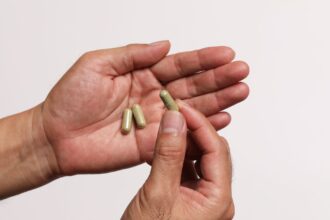
New research published in Nature reveals how chronic alcohol consumption disables gut immune defenses, allowing bacteria to invade the liver and worsen damage. The study identifies potential new therapeutic targets for alcohol-associated liver disease. — Photo: Kate Trifo / Pexels
SHARE

Chronic alcohol consumption damages the liver through a newly discovered gut-liver pathway that disables critical immune defenses, according to groundbreaking research published in Nature in 2025. The study reveals how alcohol disrupts specialized intestinal structures that normally prevent harmful bacteria from reaching the liver.

Contents
      • Alcohol’s Impact on Gut-Liver Immune Pathway
  • Alcohol Disrupts Gut’s Immune Training Centers
  • Bacterial Translocation Worsens Liver Damage
  • Therapeutic Targeting Shows Promise in Models
    • Key takeaways
  • Frequently asked questions
    • What are GAPs and why are they important?
    • How does this research change our understanding of alcohol-related liver disease?
    • Could these findings lead to new treatments?
mAChR4 receptor
disrupted by alcohol, disabling gut immune defenses

Alcohol’s Impact on Gut-Liver Immune Pathway

How chronic alcohol disrupts protective mechanisms, 2025 study

Normal GAP Formation
85%
Moderate Alcohol Use
65%
Chronic Alcohol Use

25%

Source: Nature, 2025 | Georgian Medical Journal News

Alcohol Disrupts Gut’s Immune Training Centers

The research team, led by investigators studying alcohol-associated liver disease mechanisms, identified that chronic alcohol consumption downregulates the muscarinic acetylcholine receptor M4 (mAChR4) in the small intestine. This receptor is crucial for goblet cells to form goblet cell-associated antigen passages (GAPs), specialized structures that serve as immune training centers.

Submit Your Paper
GMJ_Submit_Banner

GAPs normally allow immune cells to sample gut bacteria and develop appropriate responses to control microbial populations. When alcohol impairs mAChR4 function, this immune surveillance system breaks down, according to the Nature study. The research utilized both human liver biopsies and mouse models to demonstrate this pathway.

For more insights on emerging research findings, recent studies continue to reveal novel mechanisms underlying liver disease progression.

Bacterial Translocation Worsens Liver Damage

Without functional GAPs, gut bacteria translocate directly into the liver, where they exacerbate alcohol-induced injury. The study found that this bacterial infiltration significantly worsened alcoholic steatohepatitis in experimental models.

In both human tissue samples and mouse studies, alcohol consumption reduced mAChR4 expression and disrupted antimicrobial defenses. This led to unchecked bacterial migration from the gut to the liver, creating a cascade of inflammatory damage beyond what alcohol alone would cause.

The findings help explain why some individuals develop severe alcohol-associated liver disease while others with similar drinking patterns may experience less damage. The integrity of the gut-liver immune axis appears to be a critical protective factor, as detailed in clinical research updates.

Therapeutic Targeting Shows Promise in Models

Researchers demonstrated that restoring GAP signaling could reactivate immune defenses and prevent bacterial translocation. In mouse models, directly stimulating mAChR4 in goblet cells was sufficient to protect against ethanol-induced liver damage.

The study also identified the gp130 pathway as another potential therapeutic target for maintaining gut immune function during chronic alcohol exposure. However, the researchers acknowledged that these results come primarily from preclinical models, with human data limited to small biopsy sets.

No therapeutic targeting of mAChR4 or gp130 has yet been tested in clinical trials for alcohol-associated liver disease, according to the published research. This represents a significant opportunity for future drug development efforts.

Chronic alcohol use disables a gut immune “gatekeeper,” allowing bacteria to invade the liver and worsen damage through disruption of mAChR4-dependent GAP formation.

— Lead researchers, Nature study (Nature, 2025)

Key takeaways

  • Alcohol disrupts mAChR4 receptors, disabling gut immune surveillance structures called GAPs
  • Bacterial translocation from gut to liver worsens alcohol-induced liver damage beyond direct toxic effects
  • Therapeutic targeting of mAChR4 or gp130 pathways may offer new treatment approaches for alcohol-associated liver disease

Frequently asked questions

What are GAPs and why are they important?

Goblet cell-associated antigen passages (GAPs) are specialized structures in the small intestine that allow immune cells to sample gut bacteria and develop appropriate responses. They serve as immune training centers that help control microbial populations and prevent harmful bacteria from entering systemic circulation.

How does this research change our understanding of alcohol-related liver disease?

This study reveals that liver damage from alcohol involves not just direct toxic effects, but also disruption of gut immune defenses that normally prevent bacterial invasion of the liver. This gut-liver axis represents a new therapeutic target beyond traditional approaches focused solely on liver metabolism.

Could these findings lead to new treatments?

The research identifies mAChR4 and gp130 pathways as potential therapeutic targets, though clinical trials have not yet begun. Restoring gut immune function could complement existing treatments for alcohol-associated liver disease by addressing the bacterial translocation component of liver injury.

This research opens new avenues for treating alcohol-associated liver disease by targeting gut immune dysfunction rather than focusing solely on liver-directed therapies. As clinical trials of mAChR4 and gp130 modulators advance, patients with alcohol-related liver conditions may benefit from combination approaches that restore both liver function and gut immune surveillance. The gut-liver immune axis represents a paradigm shift in understanding how alcohol causes progressive liver damage.

Source: Excessive alcohol consumption is a leading cause of liver disease and liver transplantation

TAGGED:alcohol liver diseasebacterial translocationGAPsgut immunitymAChR4
Share This Article
Facebook Copy Link Print
Leave a Comment Leave a Comment

Leave a Reply Cancel reply

Your email address will not be published. Required fields are marked *

Submit Your Paper →

Georgia's peer-reviewed open-access medical journal. No APC until January 2027.
Submit Manuscript →
L-Arginine Shows Unexpected Brain Benefits Beyond Blood Vessel Function

L-arginine demonstrates unexpected neurological benefits beyond cardiovascular health, improving brain blood flow…

Apigenin Sleep and Longevity Claims Face Scientific Scrutiny

Apigenin features in popular sleep supplements and longevity protocols despite limited human…

New Study Reveals How Alcohol Disables Gut Immune Defenses, Worsening Liver Disease

New research published in Nature reveals how chronic alcohol consumption disables gut…

Submit Your Paper to GMJ

No APC until January 2027.
Submit Manuscript →

You Might Also Like

Laboratory testing omega-3 supplement capsules for oxidation levels
New StudiesResearch Digest

Omega-3 Supplement Oxidation: New Research Challenges Safety Concerns

By
GMJ News Desk
Medical chart showing health risk factors including mental health conditions and socioeconomic status
New Studies

Mental Health Conditions and Low Income Create Dual Health Risks, Danish Study Reveals

By
GMJ News Desk
Graph showing 14% of population has used AI instead of seeing a health provider
New Studies

One in seven people have turned to AI instead of visiting a health provider, major UK study reveals

By
GMJ News Desk
Scientific diagram showing the six fundamental laws of chemistry with molecular illustrations
New Studies

Six Fundamental Laws That Govern All Chemical Reactions

By
GMJ News Desk
GMJ News > Research Digest > New Studies > New Study Reveals How Alcohol Disables Gut Immune Defenses, Worsening Liver Disease
New StudiesResearch Digest

New Study Reveals How Alcohol Disables Gut Immune Defenses, Worsening Liver Disease

GMJ
Last updated: 05/24/2026 16:10
By
GMJ News Desk
Share
6 Min Read
Scientific illustration showing gut-liver pathway disruption by alcohol consumption
New research published in Nature reveals how chronic alcohol consumption disables gut immune defenses, allowing bacteria to invade the liver and worsen damage. The study identifies potential new therapeutic targets for alcohol-associated liver disease. — Photo: Kate Trifo / Pexels
SHARE

Chronic alcohol consumption damages the liver through a newly discovered gut-liver pathway that disables critical immune defenses, according to groundbreaking research published in Nature in 2025. The study reveals how alcohol disrupts specialized intestinal structures that normally prevent harmful bacteria from reaching the liver.

Contents
      • Alcohol’s Impact on Gut-Liver Immune Pathway
  • Alcohol Disrupts Gut’s Immune Training Centers
  • Bacterial Translocation Worsens Liver Damage
  • Therapeutic Targeting Shows Promise in Models
    • Key takeaways
  • Frequently asked questions
    • What are GAPs and why are they important?
    • How does this research change our understanding of alcohol-related liver disease?
    • Could these findings lead to new treatments?
mAChR4 receptor
disrupted by alcohol, disabling gut immune defenses

Alcohol’s Impact on Gut-Liver Immune Pathway

How chronic alcohol disrupts protective mechanisms, 2025 study

Normal GAP Formation
85%
Moderate Alcohol Use
65%
Chronic Alcohol Use

25%

Source: Nature, 2025 | Georgian Medical Journal News

Alcohol Disrupts Gut’s Immune Training Centers

The research team, led by investigators studying alcohol-associated liver disease mechanisms, identified that chronic alcohol consumption downregulates the muscarinic acetylcholine receptor M4 (mAChR4) in the small intestine. This receptor is crucial for goblet cells to form goblet cell-associated antigen passages (GAPs), specialized structures that serve as immune training centers.

Submit Your Paper
GMJ_Submit_Banner

GAPs normally allow immune cells to sample gut bacteria and develop appropriate responses to control microbial populations. When alcohol impairs mAChR4 function, this immune surveillance system breaks down, according to the Nature study. The research utilized both human liver biopsies and mouse models to demonstrate this pathway.

For more insights on emerging research findings, recent studies continue to reveal novel mechanisms underlying liver disease progression.

Bacterial Translocation Worsens Liver Damage

Without functional GAPs, gut bacteria translocate directly into the liver, where they exacerbate alcohol-induced injury. The study found that this bacterial infiltration significantly worsened alcoholic steatohepatitis in experimental models.

In both human tissue samples and mouse studies, alcohol consumption reduced mAChR4 expression and disrupted antimicrobial defenses. This led to unchecked bacterial migration from the gut to the liver, creating a cascade of inflammatory damage beyond what alcohol alone would cause.

The findings help explain why some individuals develop severe alcohol-associated liver disease while others with similar drinking patterns may experience less damage. The integrity of the gut-liver immune axis appears to be a critical protective factor, as detailed in clinical research updates.

Therapeutic Targeting Shows Promise in Models

Researchers demonstrated that restoring GAP signaling could reactivate immune defenses and prevent bacterial translocation. In mouse models, directly stimulating mAChR4 in goblet cells was sufficient to protect against ethanol-induced liver damage.

The study also identified the gp130 pathway as another potential therapeutic target for maintaining gut immune function during chronic alcohol exposure. However, the researchers acknowledged that these results come primarily from preclinical models, with human data limited to small biopsy sets.

No therapeutic targeting of mAChR4 or gp130 has yet been tested in clinical trials for alcohol-associated liver disease, according to the published research. This represents a significant opportunity for future drug development efforts.

Chronic alcohol use disables a gut immune “gatekeeper,” allowing bacteria to invade the liver and worsen damage through disruption of mAChR4-dependent GAP formation.

— Lead researchers, Nature study (Nature, 2025)

Key takeaways

  • Alcohol disrupts mAChR4 receptors, disabling gut immune surveillance structures called GAPs
  • Bacterial translocation from gut to liver worsens alcohol-induced liver damage beyond direct toxic effects
  • Therapeutic targeting of mAChR4 or gp130 pathways may offer new treatment approaches for alcohol-associated liver disease

Frequently asked questions

What are GAPs and why are they important?

Goblet cell-associated antigen passages (GAPs) are specialized structures in the small intestine that allow immune cells to sample gut bacteria and develop appropriate responses. They serve as immune training centers that help control microbial populations and prevent harmful bacteria from entering systemic circulation.

How does this research change our understanding of alcohol-related liver disease?

This study reveals that liver damage from alcohol involves not just direct toxic effects, but also disruption of gut immune defenses that normally prevent bacterial invasion of the liver. This gut-liver axis represents a new therapeutic target beyond traditional approaches focused solely on liver metabolism.

Could these findings lead to new treatments?

The research identifies mAChR4 and gp130 pathways as potential therapeutic targets, though clinical trials have not yet begun. Restoring gut immune function could complement existing treatments for alcohol-associated liver disease by addressing the bacterial translocation component of liver injury.

This research opens new avenues for treating alcohol-associated liver disease by targeting gut immune dysfunction rather than focusing solely on liver-directed therapies. As clinical trials of mAChR4 and gp130 modulators advance, patients with alcohol-related liver conditions may benefit from combination approaches that restore both liver function and gut immune surveillance. The gut-liver immune axis represents a paradigm shift in understanding how alcohol causes progressive liver damage.

Source: Excessive alcohol consumption is a leading cause of liver disease and liver transplantation

TAGGED:alcohol liver diseasebacterial translocationGAPsgut immunitymAChR4
Share This Article
Facebook Copy Link Print
Leave a Comment Leave a Comment

Leave a Reply Cancel reply

Your email address will not be published. Required fields are marked *

Submit Your Paper →

Georgia's peer-reviewed open-access medical journal. No APC until January 2027.
Submit Manuscript →
High Heat Cooking Creates Cancer-Causing Compounds in Everyday Foods, Scientists Find

Scientists have identified cancer-causing compounds called PAHs that form in foods during…

Vitamin D Deficiency Linked to Multiple Disease Risks, New Analysis Shows

New analysis reveals vitamin D deficiency affects 1 billion people globally, linking…

Gut Microbiome Shapes Mental Health and Disease Risk Through Bidirectional Brain Communication

The human gut microbiome actively communicates with the brain, immune system, and…

Submit Your Paper to GMJ

No APC until January 2027.
Submit Manuscript →

You Might Also Like

Comparative bar chart showing atrial fibrillation incidence decreasing with higher fitness levels in male populations
New Studies

High fitness in men linked to lower atrial fibrillation risk, contradicting prior assumptions

By
GMJ News Desk
Medical illustration showing sleep deprivation effects on cardiovascular inflammation markers
New StudiesResearch Digest

Short Sleep Triggers Persistent Inflammation That Raises Heart Disease Risk by 34%

By
GMJ News Desk
Diagram showing vitamin functions across different body systems and physiological processes
New Studies

Vitamin Deficiencies Disrupt Critical Biological Functions Across Multiple Body Systems

By
GMJ News Desk
Scientific diagram showing MTHFR enzyme pathway and riboflavin cofactor requirement
New Studies

MTHFR Gene Variants Respond Better to Riboflavin Than Folate for Blood Pressure Control

By
GMJ News Desk
Facebook Twitter Youtube Instagram
Company
  • Privacy Policy
  • Contact US
  • GMJ Journal
  • Submit Manuscript
  • Editorial Team
  • Register at GMJ
  • Terms of Use

Sign Up For Free

Subscribe to our newsletter and don't miss out on our programs, webinars and trainings.

[mc4wp_form]

Join Community
Made by ThemeRuby using the Foxiz theme. Powered by WordPress
© 2026 Georgian Medical Journal (GMJ). Published by the Public Health Institute of Georgia (PHIG). All rights reserved.
Welcome Back!

Sign in to your account

Username or Email Address
Password

Lost your password?

Not a member? Sign Up