


Tag: exercise physiology

Meta-analysis reveals precise glycogen depletion during resistance training
A meta-analysis of 20 studies quantifies muscle glycogen depletion during resistance training at 15–42% of baseline stores, substantially lower than…

Exercise Reverses Muscle Aging Via Molecular Switch, New Research Shows
Researchers have identified a molecular switch—the DEAF1 gene—that explains how exercise reverses muscle aging. When physical activity reduces DEAF1 expression,…
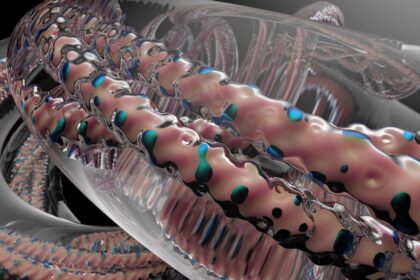
How Cells Generate Energy: Understanding ATP, Mitochondria, and Why You Feel Tired
Cellular energy production occurs through three metabolic stages: glycolysis, the Krebs cycle, and the electron transport chain, which generates approximately…
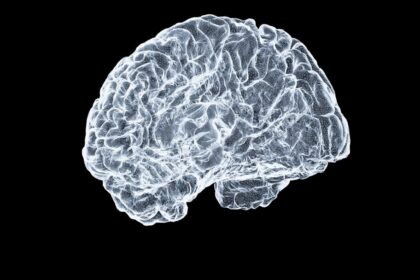
How Muscle Contractions Signal the Brain: The Myokine Pathway Explained
Skeletal muscle releases signalling molecules called myokines that travel through the bloodstream to regulate learning, memory, and brain inflammation. Different…

Resistance Training Protects Brain Health Through Vascular and Cognitive Pathways, New Evidence Shows
Resistance training influences brain health through endothelial function, neurotrophic signalling, blood-brain barrier integrity, and inflammation control, according to 2025 research.…

Exercise’s True Power: A Systematic Review Shows Mitochondrial Remodeling, Not Just Volume, Drives Fitness Gains
A systematic review analyzing 425 human studies shows that training intensity—not duration—is the primary driver of mitochondrial expansion, with high-intensity…
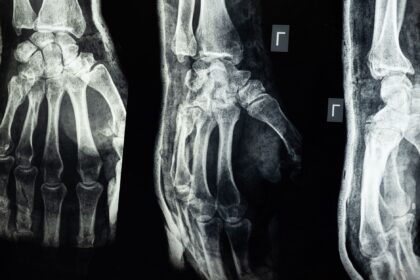
Bones as Metabolic Organs: How Mechanical Loading Triggers Glucose Control
Bones are metabolic organs, not merely structural tissue. Mechanical loading triggers osteocalcin release, which improves insulin sensitivity and glucose regulation…

Exercise Intensity, Effort, and Physiological Stress: A Framework for Understanding Training Zones
Exercise intensity spans a continuous physiological spectrum integrating objective metrics (1RM percentage, VO₂max, lactate thresholds) with subjective effort scales (RPE,…