
🟠 Moderate Evidence
Fatigue and low energy are among the most common complaints in primary care, yet the physiological mechanism underlying these symptoms remains poorly understood by the general public. At the cellular level, energy production depends on a three-stage process that converts glucose and other nutrients into adenosine triphosphate (ATP), the molecule cells use to power every biological function. Understanding this process—glycolysis, the Krebs cycle, and the electron transport chain—offers insight into why lifestyle interventions such as exercise, sleep, and stress management directly affect energy levels and cognitive performance.
Key takeaways
- Cells generate energy through three sequential processes: glycolysis (rapid ATP), the Krebs cycle (medium ATP), and the electron transport chain (90% of total ATP)
- Mitochondrial health is central to energy production; the electron transport chain alone accounts for approximately 90% of cellular ATP synthesis
- Lifestyle factors including physical activity, adequate protein intake, sleep quality, stress management, and oxygen availability directly influence mitochondrial function and energy output
- Chronic fatigue may reflect dysfunction in these fundamental energy-producing pathways rather than a singular disease entity
The Three Stages of Cellular Energy Production
Cellular energy production begins with glycolysis, a metabolic process occurring in the cytoplasm that rapidly breaks down glucose into smaller molecules called pyruvate. According to biochemistry texts including those referenced by the National Institutes of Health (NIH), this step generates a small amount of ATP quickly—explaining why carbohydrate consumption produces rapid but short-lived energy surges. Glycolysis requires no oxygen and serves as the entry point for glucose metabolism in all cells.
The second stage, the Krebs cycle (also called the citric acid cycle), occurs within mitochondria and extracts remaining energy from the pyruvate molecules produced by glycolysis. This cycle releases carbon dioxide and transfers high-energy electrons to carrier molecules, setting the stage for the final and most productive energy-generating step. The Krebs cycle is central to connecting carbohydrate, fat, and protein metabolism into a unified energy currency.

The electron transport chain (ETC), which occurs in the inner mitochondrial membrane, represents the final and most energy-intensive stage of ATP production. According to biochemistry literature cited by the NIH National Center for Biotechnology Information, the ETC generates approximately 90% of total cellular ATP, making mitochondrial function the dominant factor in whole-body energy availability. This stage requires oxygen, which is why breathing deeply and maintaining aerobic fitness directly enhance energy production.
ATP Production by Metabolic Stage
Relative contribution of each cellular energy pathway to total ATP synthesis
Source: NIH National Center for Biotechnology Information | Georgian Medical Journal News
Mitochondrial Health as the Foundation of Energy
Because the electron transport chain produces the vast majority of ATP, mitochondrial health directly determines whole-body energy availability. The American Journal of Clinical Nutrition has published reviews documenting that micronutrient deficiencies—particularly in B vitamins, iron, magnesium, and coenzyme Q10—impair mitochondrial enzyme function and reduce ATP synthesis. This explains why fatigue often accompanies nutritional deficiency states and why supplementation of these micronutrients can improve energy in deficient populations.
Physical activity directly stimulates mitochondrial biogenesis, the process by which cells create new mitochondria. Research cited by the National Institutes of Health on exercise physiology shows that both aerobic and resistance exercise upregulate genes controlling mitochondrial replication, increasing cellular energy-producing capacity within weeks. This mechanism explains why sedentary individuals report chronic fatigue and why regular exercise typically improves energy levels within 2-4 weeks, independent of weight loss.
Sleep plays a critical recovery role in mitochondrial maintenance. During sleep, cells activate autophagy—a cellular cleaning process—and mitochondrial repair mechanisms. According to sleep medicine literature, chronic sleep deprivation impairs mitochondrial oxidative capacity, reducing maximum ATP production capacity and explaining the fatigue that accompanies poor sleep quality. This is why consistent sleep schedules and adequate sleep duration (7-9 hours for most adults) directly enhance daytime energy.
The electron transport chain generates approximately 90% of cellular ATP, making mitochondrial function the dominant determinant of energy availability and capacity.
— NIH National Center for Biotechnology Information, Biochemistry module
Practical Approaches to Optimizing Cellular Energy
Based on the three-stage energy production pathway, several evidence-based interventions directly enhance ATP synthesis. Adequate protein intake supplies amino acids required to synthesize mitochondrial enzymes and electron transport chain proteins. The NIH Dietary Reference Intakes recommend 0.8 grams of protein per kilogram of body weight daily for maintenance, with higher amounts (1.2-2.0 g/kg) during periods of high physical demand or training.
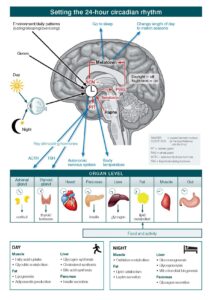
Sunlight exposure and circadian alignment regulate metabolic efficiency. According to circadian biology research, natural light exposure synchronizes cellular signaling pathways that optimize mitochondrial function, particularly through effects on the circadian regulation of NAD+ metabolism and metabolic enzyme expression. Morning sunlight exposure (30-60 minutes) is associated with better sleep timing, more consistent mitochondrial activity patterns, and improved daytime alertness.
Stress management and cortisol control directly affect mitochondrial output. Chronic psychological stress elevates cortisol, which suppresses transcription of genes encoding mitochondrial proteins and increases cellular oxidative stress. Research in the Journal of Cellular and Molecular Medicine has documented that chronic cortisol elevation reduces mitochondrial ATP production capacity. Conversely, practices including meditation, breathing exercises, and time in nature lower cortisol and support mitochondrial recovery.
Avoidance of ultra-processed foods protects mitochondrial function from the metabolic disruption caused by high amounts of refined carbohydrates, artificial additives, and oxidized fats. These foods generate excessive cellular oxidative stress and impair the insulin signaling pathways required for normal glucose metabolism through the three energy-producing stages. Whole foods providing intact carbohydrates, healthy fats, and micronutrients allow these pathways to function optimally.
What this means
Frequently asked questions
Why does exercise improve energy when it uses up ATP?
Exercise creates a temporary ATP deficit that signals cells to build more mitochondria and improve ATP production capacity. Within days to weeks, cells respond by synthesizing new mitochondrial proteins and enzymes, increasing the overall capacity to generate ATP. This is why sedentary individuals feel progressively more energetic as they begin regular exercise—not because exercise adds energy immediately, but because it stimulates cellular adaptation that increases energy production.
Can supplements actually boost energy, or is it just placebo?
Supplements containing micronutrients essential to mitochondrial enzyme function (B vitamins, magnesium, iron, CoQ10) can measurably improve ATP production in individuals with documented deficiencies. However, in adequately nourished individuals, supplementation above normal requirements has not consistently improved energy in clinical trials. The strongest evidence supports filling nutritional gaps through whole foods rather than excess supplementation.
How quickly do lifestyle changes affect energy levels?
Sleep quality improvements typically enhance alertness within 1-3 nights. Consistent exercise increases mitochondrial capacity over 2-4 weeks, with measurable improvements in submaximal exercise capacity visible by week 3-4. Nutritional optimization and stress reduction show variable timelines (1-8 weeks depending on severity of initial deficiency or stress load). Consistent adherence to multiple interventions produces the most rapid and sustained improvement.
Energy is not a fixed state but a reflection of how efficiently your cellular machinery—particularly your mitochondria—converts nutrients into ATP. Rather than viewing fatigue as a mysterious symptom requiring investigation only when pathological, understanding it as a sign of suboptimal mitochondrial function shifts the focus toward preventive, lifestyle-based interventions. For most individuals experiencing persistent low energy, optimizations in sleep, movement, nutrition, stress management, and environmental light exposure address the fundamental cellular processes underlying energy production and can produce meaningful improvements within weeks.
Source: This is the REAL reason you feel tired… or energetic… or mentally sharp… or completely drained
Was this article helpful?
Disclaimer. This article is health journalism intended for general information and education. It is not medical advice and is not a substitute for professional diagnosis or treatment. Always consult a qualified healthcare provider about your individual circumstances. Full disclaimer →
Related Coverage


Editorial standards. This article was produced under the GMJ News editorial process, with oversight by the GMJ Editorial Board. Our editorial process. Spotted an error? Contact the editorial team.