


Tag: ATP

The Four Molecular Pillars of Life: How Carbohydrates, Lipids, Proteins, and Nucleic Acids Power Human Cells
Carbohydrates, lipids, proteins, and nucleic acids form the four molecular pillars of human cellular function. Each family executes distinct roles—from…

Nine metabolic pathways: a visual guide to how your body converts food into energy
The human body converts food into energy through nine interconnected metabolic pathways. Understanding glycolysis, the Krebs cycle, gluconeogenesis, and fat…
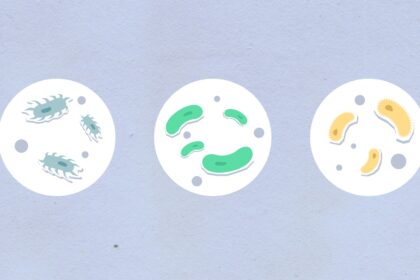
Beyond the Powerhouse: Four Core Functions That Define Mitochondrial Health
Mitochondria are far more than the cell's powerhouse. They simultaneously manage ATP production, oxidative stress regulation, genetic integrity, and quality…
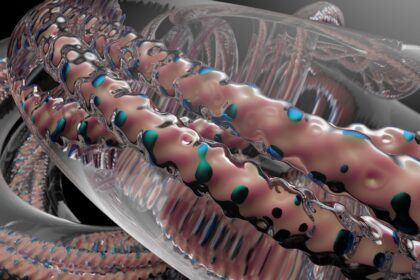
How Cells Generate Energy: Understanding ATP, Mitochondria, and Why You Feel Tired
Cellular energy production occurs through three metabolic stages: glycolysis, the Krebs cycle, and the electron transport chain, which generates approximately…
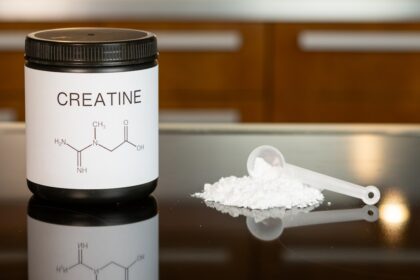
How Your Body Makes and Uses Creatine: The Complete Energy System Explained
Creatine is a naturally occurring molecule synthesized in the kidneys and liver that serves as the body's primary rapid-access energy…

Why ATP Without Magnesium Doesn’t Work: The Essential Ion Behind Cellular Energy
Approximately 90% of cellular ATP exists bound to magnesium ions, not as free ATP. This Mg-ATP complex is the only…
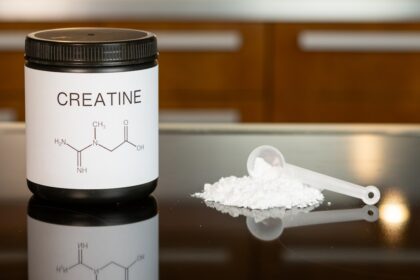
How Creatine Actually Works: The ATP Shuttle System Explained
Creatine supplementation does not work primarily through water retention or caffeine-like stimulation. Instead, it enhances the phosphocreatine shuttle system, which…

Beyond the Powerhouse: How Mitochondria Control Energy, Stress, and Cell Survival
Mitochondria perform four critical functions: ATP generation, ROS balance, mitochondrial DNA maintenance, and membrane dynamics. Dysfunction in any of these…