


Tag: exercise physiology
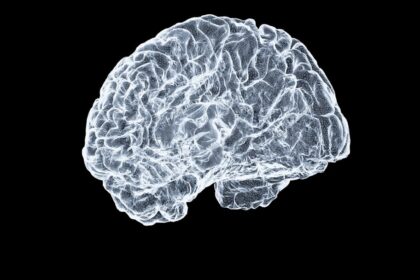
Post-exercise brain signal may be key to fitness gains, mouse study suggests
Researchers at Jackson Laboratory and University of Pennsylvania identified brain neurons that appear necessary for endurance training to produce fitness…

High-Carbohydrate Breakfast Fails to Boost Glycogen in Well-Trained Cyclists
A new study found that a large carbohydrate breakfast did not increase liver or muscle glycogen in trained cyclists, suggesting…

How Exercise Rebalances Muscle Aging at the Cellular Level
Exercise suppresses DEAF1, a transcription factor that becomes overactive with age and drives excessive muscle protein synthesis while impairing cellular…

Bones Are Metabolic Organs: How Mechanical Loading Regulates Blood Sugar
Bone tissue functions as an active metabolic organ that regulates blood sugar through mechanical loading responses. When bones experience stress…
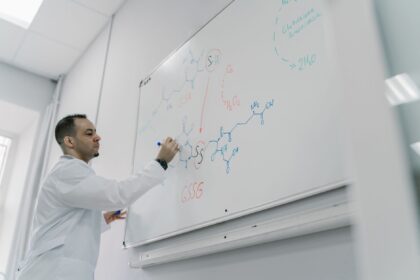
How Your Cells Build New Mitochondria: The Science of Energy Production
When energy demand increases—during exercise, fasting, or cold exposure—cells activate mitochondrial biogenesis to generate new energy-producing structures. This adaptive process…

How Exercise Intensity, Effort, and Physiological Stress Connect: A Unified Framework
Exercise intensity integrates objective physiological markers, subjective effort perception, and performance metrics on a shared continuum. Low-intensity sessions (30–50% 1RM,…

Eleven Minutes Daily of Vigorous Exercise Boosts Fitness and Body Composition
A meta-analysis of 11 randomised controlled trials found that just 11 minutes of daily vigorous exercise, distributed as 1–2 minute…

Music extends cycling endurance by 20% — but not by reducing effort
New research shows music allows cyclists to exercise 20% longer at identical physiological stress, extending psychological tolerance rather than reducing…