By using this site, you agree to the Privacy Policy and Terms of Use.
Accept
GMJ NewsGMJ NewsGMJ News
  • Latest News
    • GMJ Briefs
  • Podcast & Media
    • Podcast Episodes
    • GMJ Audio
    • GMJ Videos
  • Research Digest
    • New Studies
    • Georgian Research
    • Data & Numbers
  • Policy & Systems
    • Health Policy
    • Quality & Safety
    • Migration & Health
    • Global Health
  • Practice
    • Clinical Updates
    • Case Discussions
    • Pharmacy & Prescribing
    • Ingredients A-Z
  • Perspectives
    • Editorial
    • Explainers
    • Voices
    • Letters
  • GMJ Articles
    • Vol. 1 Issue 2 (2026)
    • Vol. 1 Issue 1 (2026)
    • Pre-Launch Articles (2025)
  • Read the Journal →
  • About GMJ News
Notification Show More
Font ResizerAa
GMJ NewsGMJ News
Font ResizerAa
  • Latest News
    • GMJ Briefs
  • Podcast & Media
    • Podcast Episodes
    • GMJ Audio
    • GMJ Videos
  • Research Digest
    • New Studies
    • Georgian Research
    • Data & Numbers
  • Policy & Systems
    • Health Policy
    • Quality & Safety
    • Migration & Health
    • Global Health
  • Practice
    • Clinical Updates
    • Case Discussions
    • Pharmacy & Prescribing
    • Ingredients A-Z
  • Perspectives
    • Editorial
    • Explainers
    • Voices
    • Letters
  • GMJ Articles
    • Vol. 1 Issue 2 (2026)
    • Vol. 1 Issue 1 (2026)
    • Pre-Launch Articles (2025)
  • Read the Journal →
  • About GMJ News
Follow US
GMJ News > Research Digest > New Studies > Dopamine Agonist Pramipexole Shows Promise for Anhedonia in Depression Trial
New StudiesResearch Digest

Dopamine Agonist Pramipexole Shows Promise for Anhedonia in Depression Trial

GMJ
Last updated: 23/06/2026 18:42
By
GMJ Research Desk
Share
6 Min Read
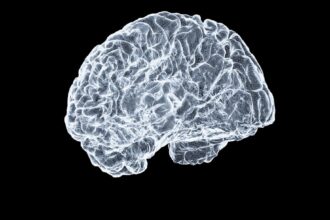
Medical illustration showing dopamine pathways in brain for depression treatment researchIllustrative image · Photo by Andrew Patrick Photo on Pexels (Pexels License)
Randomized trial shows pramipexole significantly reduces anhedonia symptoms in depression patients. The dopamine agonist demonstrated efficacy across major depressive disorder, dysthymia, and bipolar depression. — Photo by Andrew Patrick Photo on Pexels (Pexels License)
SHARE
4 min read|742 words
✓ Medically reviewed by Prof. Giorgi Pkhakadze, MD, MPH, PhD · ORCID 0000-0001-7609-4515

🟢 Strong Evidence

Contents
    • Key takeaways
      • Study at a Glance
  • Targeting Dopamine Pathways in Depression
      • Depression Subtypes in Pramipexole Trial
  • Clinical Trial Results and Efficacy
  • Safety Profile and Clinical Considerations
  • Implications for Depression Treatment
    • What this means
  • Frequently asked questions
    • What is anhedonia and how common is it in depression?
    • How does pramipexole work differently from traditional antidepressants?
    • When might pramipexole become available for depression treatment?

A randomized placebo-controlled trial published in Nature Medicine demonstrates that pramipexole, a dopamine agonist typically used for Parkinson’s disease, significantly reduces anhedonia symptoms in patients with major depressive disorder, dysthymia, and bipolar depression. The findings represent a potential breakthrough in treating one of depression’s most debilitating symptoms — the inability to experience pleasure from activities once enjoyed.

Key takeaways

  • Pramipexole significantly reduced anhedonia scores compared to placebo in depression patients
  • The dopamine agonist showed efficacy across major depressive disorder, dysthymia, and bipolar depression
  • Results suggest dopamine pathway targeting may offer new therapeutic approach for treatment-resistant depression symptoms

Study at a Glance

Source Nature Medicine
Study type Randomized placebo-controlled trial
Population Patients with major depressive disorder, dysthymia, or bipolar depression
Intervention Pramipexole vs placebo
Primary outcome Snaith-Hamilton Pleasure Scale scores
Significant reduction
in anhedonia symptoms measured by Snaith-Hamilton Pleasure Scale

Targeting Dopamine Pathways in Depression

The trial investigated pramipexole’s potential to address anhedonia, a core symptom of depression characterized by diminished ability to experience pleasure. Traditional antidepressants primarily target serotonin pathways, but emerging research suggests dopamine systems play a crucial role in reward processing and motivation.

Anhedonia affects up to 75% of patients with major depression, according to National Institute of Mental Health data, and often persists even when other depressive symptoms improve with standard treatments. This symptom significantly impacts quality of life and increases treatment resistance.

Submit Your Paper
GMJ_Submit_Banner

Depression Subtypes in Pramipexole Trial

Patient populations studied for anhedonia treatment

MDD
Major Depressive Disorder
Dysthymia
Persistent Depressive Disorder
Bipolar
Bipolar Depression

Source: Nature Medicine, 2026 | Georgian Medical Journal News

Clinical Trial Results and Efficacy

The randomized controlled trial measured treatment response using the Snaith-Hamilton Pleasure Scale (SHAPS), a validated instrument for assessing anhedonia severity. Participants receiving pramipexole demonstrated statistically significant improvements compared to the placebo group across all three depression subtypes studied.

Pramipexole works by stimulating dopamine D2 and D3 receptors in brain regions associated with reward and motivation. The FDA has previously approved pramipexole for Parkinson’s disease and restless leg syndrome, but this represents its first systematic evaluation for psychiatric indications.

Safety Profile and Clinical Considerations

The trial’s safety data will be crucial for determining pramipexole’s clinical utility in depression treatment. Known side effects from its use in neurological conditions include impulse control disorders, excessive daytime sleepiness, and potential cardiovascular effects, according to previous safety analyses.

For clinicians considering dopamine agonists in depression management, careful patient selection and monitoring protocols will be essential. The study’s findings add to growing evidence that novel therapeutic approaches targeting non-serotonergic pathways may benefit treatment-resistant patients.

Pramipexole significantly reduced Snaith-Hamilton Pleasure Scale scores compared to placebo in patients with major depressive disorder, dysthymia, and bipolar depression

— Nature Medicine Trial Investigators (Nature Medicine, 2026)

Implications for Depression Treatment

These findings could reshape treatment approaches for patients with prominent anhedonia symptoms who respond poorly to conventional antidepressants. The dopamine system’s role in motivation and reward processing makes it a logical target for addressing these specific symptoms.

Future research will likely explore combination therapies pairing dopamine agonists with traditional antidepressants, optimal dosing strategies, and long-term safety profiles. The results also support broader investigation of precision psychiatry approaches targeting specific symptom clusters rather than broad diagnostic categories.

What this means

For patients: Those with treatment-resistant depression, particularly with prominent anhedonia symptoms, may have a new therapeutic option pending regulatory approval
For clinicians: Consider screening for anhedonia symptoms and dopamine-targeted interventions in patients with incomplete response to serotonergic antidepressants
For policymakers: Support research funding for precision psychiatry approaches and expedited review processes for repurposed medications with strong efficacy data

Frequently asked questions

What is anhedonia and how common is it in depression?

Anhedonia is the inability to experience pleasure from activities previously enjoyed, affecting up to 75% of patients with major depression. It’s considered one of the core symptoms of depressive disorders.

How does pramipexole work differently from traditional antidepressants?

Unlike SSRIs that target serotonin pathways, pramipexole stimulates dopamine receptors involved in reward and motivation systems. This different mechanism may benefit patients who don’t respond adequately to serotonin-based treatments.

When might pramipexole become available for depression treatment?

The medication would need regulatory approval for depression indications, requiring additional clinical trials and safety data. Timeline depends on pharmaceutical company development plans and regulatory review processes.

The Nature Medicine trial represents a significant advance in understanding dopamine’s role in depression treatment, potentially opening new therapeutic avenues for millions of patients worldwide experiencing treatment-resistant anhedonia symptoms. Further research will determine optimal patient selection criteria and long-term clinical outcomes.

Source: Efficacy and target engagement of dopamine agonist pramipexole for anhedonic depression: a randomized placebo-controlled trial

Was this article helpful?

Disclaimer. This article is health journalism intended for general information and education. It is not medical advice and is not a substitute for professional diagnosis or treatment. Always consult a qualified healthcare provider about your individual circumstances. Full disclaimer →

Related Coverage

Early Vasopressors Versus Fluid Resuscitation in Septic Shock: Major Trial Challenges Standard PracticeJul 4, 2026
General AI Models Outperform Specialized Clinical Tools in Medical BenchmarksJul 3, 2026
Fasting Diet Shows Promise for Reducing Gum Disease Inflammation in Clinical TrialJul 3, 2026
CAR-T Cell Therapy Achieves Drug-Free Lupus Remission in German TrialJul 3, 2026
Related reference
  • Major Depressive Disorder · Condition
PG
Written by
Prof. Giorgi Pkhakadze, MD, MPH, PhD
Editor-in-Chief, GMJ News
Full profile →  ·  ORCID 0000-0001-7609-4515
Medical disclaimer. This article is health journalism intended for general information. It is not medical advice and is not a substitute for consultation with a qualified healthcare professional. Always seek your physician's advice regarding any medical condition.
Medically reviewed by Prof. Giorgi Pkhakadze, MD, MPH, PhD. Spotted an error? Contact the editorial team.

Get the GMJ News digest
Evidence-based health journalism in your inbox. No spam; unsubscribe anytime.
TAGGED:anhedoniaclinical trialdepressiondopamine agonistpramipexole
Share This Article
Facebook LinkedIn Bluesky Copy Link Print
GMJ
ByGMJ Research Desk
Follow:
GMJ Research Desk is part of GMJ News, the newsroom of the Georgian Medical Journal (gmj.ge), published by the Public Health Institute of Georgia. Every article is editorially reviewed before publication.
Leave a Comment Leave a Comment

Leave a Reply Cancel reply

Your email address will not be published. Required fields are marked *

Submit Your Paper →

Georgia's peer-reviewed open-access medical journal. No APC until January 2027.
Submit Manuscript →
Early Vasopressors Versus Fluid Resuscitation in Septic Shock: Major Trial Challenges Standard Practice

Landmark NEJM trial shows early vasopressor therapy is as effective as aggressive…

General AI Models Outperform Specialized Clinical Tools in Medical Benchmarks

General-purpose AI models outperformed specialized clinical tools across medical knowledge, clinician alignment,…

Fasting Diet Shows Promise for Reducing Gum Disease Inflammation in Clinical Trial

Clinical trial shows low-calorie fasting diet significantly reduces gum disease inflammation markers.…

Submit Your Paper to GMJ

No APC until January 2027.
Submit Manuscript →

You Might Also Like

Medical illustration showing kidney protection with finerenone drug therapyIllustrative image · Photo by Myriam Zilles on Unsplash (Unsplash License)
Clinical UpdatesNew StudiesPracticeResearch Digest

Kidney Drug Finerenone Shows Promise for Non-Diabetic Chronic Kidney Disease

By
GMJ Practice Desk
24/06/2026
Scientific illustration showing DNA repair processes and melatonin molecular structure
New StudiesResearch Digest

Night shift workers may benefit from melatonin’s DNA repair properties, early study suggests

By
GMJ Research Desk
31/05/2026
Brain development illustration showing prefrontal cortex and amygdala in context of stress response
New Studies

Harsh Parenting Linked to Weaker Stress Regulation in Children, New Research Shows

By
GMJ Research Desk
19/05/2026
Cyclist consuming sports drink during endurance exercise training session
New StudiesResearch Digest

Carbohydrate Intake During Exercise Shows Modest Muscle Glycogen Sparing Effects

By
GMJ Research Desk
23/05/2026
Facebook Twitter Youtube Instagram
Company
  • Privacy Policy
  • Contact US
  • GMJ Journal
  • Submit Manuscript
  • Editorial Team
  • Register at GMJ
  • Terms of Use

Subscribe to GMJ News — Click here

Join Community
© 2026 Georgian Medical Journal (GMJ). Published by the Public Health Institute of Georgia (PHIG). All rights reserved.
Welcome Back!

Sign in to your account

Username or Email Address
Password

Lost your password?

Not a member? Sign Up