By using this site, you agree to the Privacy Policy and Terms of Use.
Accept
GMJ NewsGMJ NewsGMJ News
  • Latest News
    • GMJ Briefs
  • Podcast & Media
    • Podcast Episodes
    • GMJ Audio
    • GMJ Videos
  • Research Digest
    • New Studies
    • Georgian Research
    • Data & Numbers
  • Policy & Systems
    • Health Policy
    • Quality & Safety
    • Migration & Health
    • Global Health
  • Practice
    • Clinical Updates
    • Case Discussions
    • Pharmacy & Prescribing
    • Ingredients A-Z
  • Perspectives
    • Editorial
    • Explainers
    • Voices
    • Letters
  • Health Topics
  • GMJ Articles
    • Vol. 1 Issue 2 (2026)
    • Vol. 1 Issue 1 (2026)
    • Pre-Launch Articles (2025)
  • Read the Journal →
  • About GMJ News
Notification Show More
Font ResizerAa
GMJ NewsGMJ News
Font ResizerAa
  • Latest News
    • GMJ Briefs
  • Podcast & Media
    • Podcast Episodes
    • GMJ Audio
    • GMJ Videos
  • Research Digest
    • New Studies
    • Georgian Research
    • Data & Numbers
  • Policy & Systems
    • Health Policy
    • Quality & Safety
    • Migration & Health
    • Global Health
  • Practice
    • Clinical Updates
    • Case Discussions
    • Pharmacy & Prescribing
    • Ingredients A-Z
  • Perspectives
    • Editorial
    • Explainers
    • Voices
    • Letters
  • Health Topics
  • GMJ Articles
    • Vol. 1 Issue 2 (2026)
    • Vol. 1 Issue 1 (2026)
    • Pre-Launch Articles (2025)
  • Read the Journal →
  • About GMJ News
Follow US
GMJ News > Practice > Clinical Updates > CAR-T Cell Therapy Achieves Drug-Free Lupus Remission in German Trial
Clinical UpdatesNew StudiesPracticeResearch Digest

CAR-T Cell Therapy Achieves Drug-Free Lupus Remission in German Trial

GMJ
Last updated: 23/06/2026 18:42
By
GMJ Practice Desk
Share
5 Min Read
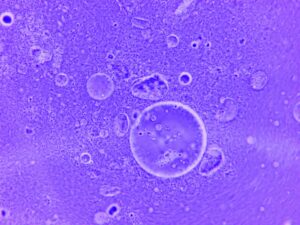
Medical illustration showing CAR-T cells targeting lupus-causing B cells in the immune systemIllustrative image · Photo by Roger Brown on Pexels (Pexels License)
German trial shows CAR-T cell therapy achieved complete drug-free remission in all 15 severe lupus patients. The treatment reprograms the immune system by targeting antibody-producing cells. — Photo by Roger Brown on Pexels (Pexels License)
SHARE
🎧 Listen to this article4:27 min · 635 words · GMJ Audio
3 min read|635 words
✓ Reviewed by GMJ News Editorial Team

🟡 Preliminary Evidence

Contents
    • Key takeaways
      • Study at a Glance
      • CAR-T Therapy Response Timeline
  • Breakthrough Results Challenge Treatment Paradigms
  • Immune System Reset Mechanism
  • Patient Outcomes Exceed Expectations
    • What this means
  • Frequently asked questions
    • How long does CAR-T therapy take to work for lupus?
    • Is CAR-T therapy safe for lupus patients?
    • When will CAR-T therapy be available for lupus treatment?

A modified CAR-T cell therapy has achieved unprecedented drug-free remissions in patients with severe lupus, according to early results from a German clinical trial. The treatment, originally developed for blood cancers, appears to “reset” the immune system by targeting antibody-producing cells that attack the body’s own tissues.

Key takeaways

  • 15 patients with severe lupus achieved complete remission without ongoing medication
  • CAR-T therapy targets CD19-positive B cells responsible for autoantibody production
  • Follow-up periods range from 3 months to 2 years with sustained responses

Study at a Glance

Source Nature Medicine
Study type Phase I clinical trial
Sample size N = 15
Population Severe treatment-refractory lupus patients
Country Germany
15/15
patients achieved complete clinical remission without medication

CAR-T Therapy Response Timeline

Patient outcomes following single infusion treatment

100%
Complete remission rate
24 months
Maximum follow-up
0
Patients requiring medication

Source: University of Erlangen, 2024 | Georgian Medical Journal News

Submit Your Paper
GMJ_Submit_Banner

Breakthrough Results Challenge Treatment Paradigms

The trial, conducted at the University of Erlangen-Nuremberg, represents the first successful application of CAR-T cell therapy to systemic lupus erythematosus. Prof. Andreas Mackensen, the study’s lead investigator, reported that all 15 patients achieved complete clinical remission following a single infusion of genetically modified immune cells.

Unlike traditional lupus treatments that require lifelong immunosuppression, the CAR-T approach aims to eliminate the specific B cells producing harmful autoantibodies. These modified T cells are engineered to recognize and destroy CD19-positive B cells while preserving other immune functions. Read more about similar breakthrough studies in our research section.

Immune System Reset Mechanism

The therapy works by extracting patients’ T cells, genetically modifying them to target CD19 proteins found on B cells, then reinfusing them after intensive chemotherapy conditioning. Dr. Georg Schett, co-investigator at the University of Erlangen, explained that the approach creates a “clean slate” for immune system regeneration.

Preliminary safety data showed manageable side effects typical of CAR-T treatments, including temporary immune suppression and cytokine release syndrome. The European Medicines Agency is monitoring the trial as part of its advanced therapy evaluation process.

Patient Outcomes Exceed Expectations

Patients who previously required multiple immunosuppressive medications now maintain normal activities without lupus symptoms. One participant, followed for nearly two years, reported unprecedented quality of life improvements compared to previous treatments including rituximab and belimumab.

The study builds on earlier work published in The Lancet demonstrating CAR-T efficacy in other autoimmune conditions. Additional research from NIH-funded studies supports the broader potential for immune system reprogramming in autoimmune diseases.

Complete clinical remission was achieved in 100% of patients with severe, treatment-refractory systemic lupus erythematosus following CD19-targeted CAR-T cell therapy

— Prof. Andreas Mackensen, University of Erlangen-Nuremberg (Nature Medicine, 2024)

What this means

For patients: Potential for drug-free remission in severe lupus cases that don’t respond to standard treatments
For clinicians: New treatment paradigm requiring specialized cell therapy expertise and careful patient selection protocols
For policymakers: Need for expanded cell therapy infrastructure and reimbursement frameworks for autoimmune applications

Frequently asked questions

How long does CAR-T therapy take to work for lupus?

Patients typically see initial responses within 1-3 months after treatment. Complete remission was documented at the 3-month follow-up visit, with sustained responses maintained throughout the study period.

Is CAR-T therapy safe for lupus patients?

Early safety data shows manageable side effects similar to cancer CAR-T treatments. However, this remains an experimental therapy requiring specialized medical centers and careful monitoring protocols.

When will CAR-T therapy be available for lupus treatment?

The therapy remains investigational and requires larger randomized trials before regulatory approval. Clinical availability is likely several years away pending additional safety and efficacy data.

The German team plans to expand the trial to include more patients and longer follow-up periods to establish durability of responses. Collaborations with international centers are underway to validate these findings across diverse patient populations. This breakthrough may herald a new era of curative approaches for autoimmune diseases previously considered lifelong conditions requiring continuous medical management.

Source: ‘I’ve never been this good’ – revolutionary immune reset puts lupus in remission

Was this article helpful?

Disclaimer. This article is health journalism intended for general information and education. It is not medical advice and is not a substitute for professional diagnosis or treatment. Always consult a qualified healthcare provider about your individual circumstances. Full disclaimer →

Related Coverage

How Muscle Signals Protect the Brain: The Emerging Science of MyokinesAug 19, 2026
Creatine for Brain Health: What the Evidence Actually ShowsAug 19, 2026
The Brain's Master Clock: How the Circadian System Controls Sleep, Hunger, and MetabolismAug 19, 2026
Choline deficiency overshadows folate and B12 in methylation metabolismAug 19, 2026
Explore more on this topic:🧭 Systemic Lupus Erythematosus (SLE) hub🧭 Rheumatoid Arthritis hub
🔥 Most read this week
1High-Dose Zinc Supplements May Create Copper Deficiency, Warn Nutrition Experts
2How Coffee Brewing Method Affects Cholesterol: The Science Behind Diterpenes and Filters
3Creatine Kidney Damage Myth Debunked by Major Safety Review of 26,000 Participants
4How Coffee and Tea Reduce Iron Absorption: A Mechanism Explained
Related reference
  • Systemic Lupus Erythematosus · Condition
PG
Editorial oversight
Prof. Giorgi Pkhakadze, MD, MPH, PhD
Editor-in-Chief, GMJ News
Full profile →  ·  ORCID 0000-0001-7609-4515
Medical disclaimer. This article is health journalism intended for general information. It is not medical advice and is not a substitute for consultation with a qualified healthcare professional. Always seek your physician's advice regarding any medical condition.
Editorial standards. This article was produced under the GMJ News editorial process, with oversight by the GMJ Editorial Board. Our editorial process. Spotted an error? Contact the editorial team.

📬 GMJ Health Digest
Evidence-based medical news, once a week. Free, no spam, unsubscribe anytime.
TAGGED:autoimmune diseaseCAR-T therapyclinical trialimmunotherapylupus treatment
Share This Article
Facebook LinkedIn Bluesky Copy Link Print
GMJ
ByGMJ Practice Desk
Follow:
GMJ Practice Desk is part of GMJ News, the newsroom of the Georgian Medical Journal (gmj.ge), published by the Public Health Institute of Georgia. Every article is editorially reviewed before publication.
Leave a Comment Leave a Comment

Leave a Reply Cancel reply

Your email address will not be published. Required fields are marked *

Submit Your Paper →

Georgia's peer-reviewed open-access medical journal. No APC until January 2027.
Submit Manuscript →
How Muscle Signals Protect the Brain: The Emerging Science of Myokines

Muscle contraction releases signaling molecules called myokines that protect brain health, support…

Creatine for Brain Health: What the Evidence Actually Shows

Creatine's muscle-building effects are supported by robust evidence, but cognitive claims rest…

The Brain’s Master Clock: How the Circadian System Controls Sleep, Hunger, and Metabolism

The suprachiasmatic nucleus, a rice-grain-sized brain structure, acts as your body's master…

Submit Your Paper to GMJ

No APC until January 2027.
Submit Manuscript →

You Might Also Like

Chart showing 12-month decline of olive oil antioxidants including alpha-tocopherol, polyphenols, and squaleneIllustrative image · Photo by Diana ✨ on Pexels (Pexels License)
Data & NumbersExplainersPerspectivesResearch Digest

Olive Oil Degrades Faster Than You Think: What Storage Science Reveals

By
GMJ Research Desk
20/07/2026
Brain regions showing tau pathology accumulation in Alzheimer's disease: entorhinal cortex, parahippocampal gyrus, and fusiform gyrusIllustrative image · Photo by Nicolas Solerieu on Unsplash (Unsplash License)
Clinical UpdatesNew StudiesPracticeResearch Digest

Vitamin D’s Role in Alzheimer’s Tau Accumulation: New Evidence from Framingham Heart Study

By
GMJ Practice Desk
14/08/2026
Virtual reality headset displaying 3D ultrasound imaging visualization technologyIllustrative image · Photo by MART PRODUCTION on Pexels (Pexels License)
New StudiesResearch Digest

MIT Develops 3D Augmented Reality System for Medical Ultrasound Interpretation

By
GMJ Research Desk
25/06/2026
Colorful array of whole plant foods including vegetables, fruits, nuts and grains representing healthful plant-based dietIllustrative image · Photo by Fuzzy Rescue on Pexels (Pexels License)
Clinical UpdatesExplainersNew StudiesPerspectivesPracticeResearch Digest

Plant-Based Diet Quality More Important Than Processing Level for Chronic Disease Prevention

By
GMJ Practice Desk
02/07/2026
Facebook Twitter Youtube Instagram
Company
  • Privacy Policy
  • Contact US
  • GMJ Journal
  • Submit Manuscript
  • Editorial Team
  • Register at GMJ
  • Terms of Use

Subscribe to GMJ News — Click here

Join Community
© 2026 Georgian Medical Journal (GMJ). Published by the Public Health Institute of Georgia (PHIG). All rights reserved.
Welcome Back!

Sign in to your account

Username or Email Address
Password

Lost your password?

Not a member? Sign Up