By using this site, you agree to the Privacy Policy and Terms of Use.
Accept
GMJ NewsGMJ NewsGMJ News
  • Latest News
    • GMJ Briefs
  • Podcast & Media
    • Podcast Episodes
    • GMJ Audio
    • GMJ Videos
  • Research Digest
    • New Studies
    • Georgian Research
    • Data & Numbers
  • Policy & Systems
    • Health Policy
    • Quality & Safety
    • Migration & Health
    • Global Health
  • Practice
    • Clinical Updates
    • Case Discussions
    • Pharmacy & Prescribing
    • Ingredients A-Z
  • Perspectives
    • Editorial
    • Explainers
    • Voices
    • Letters
  • GMJ Articles
    • Vol. 1 Issue 2 (2026)
    • Vol. 1 Issue 1 (2026)
    • Pre-Launch Articles (2025)
  • Read the Journal →
  • About GMJ News
Notification Show More
Font ResizerAa
GMJ NewsGMJ News
Font ResizerAa
  • Latest News
    • GMJ Briefs
  • Podcast & Media
    • Podcast Episodes
    • GMJ Audio
    • GMJ Videos
  • Research Digest
    • New Studies
    • Georgian Research
    • Data & Numbers
  • Policy & Systems
    • Health Policy
    • Quality & Safety
    • Migration & Health
    • Global Health
  • Practice
    • Clinical Updates
    • Case Discussions
    • Pharmacy & Prescribing
    • Ingredients A-Z
  • Perspectives
    • Editorial
    • Explainers
    • Voices
    • Letters
  • GMJ Articles
    • Vol. 1 Issue 2 (2026)
    • Vol. 1 Issue 1 (2026)
    • Pre-Launch Articles (2025)
  • Read the Journal →
  • About GMJ News
Follow US
GMJ News > Policy & Systems > Global Health > Land Use Changes in Southeast Asia Linked to 13,000 Annual Deaths from Air Pollution
Global HealthNew StudiesPolicy & SystemsResearch Digest

Land Use Changes in Southeast Asia Linked to 13,000 Annual Deaths from Air Pollution

GMJ
Last updated: 06/07/2026 02:05
By
GMJ Policy Desk
Share
8 Min Read
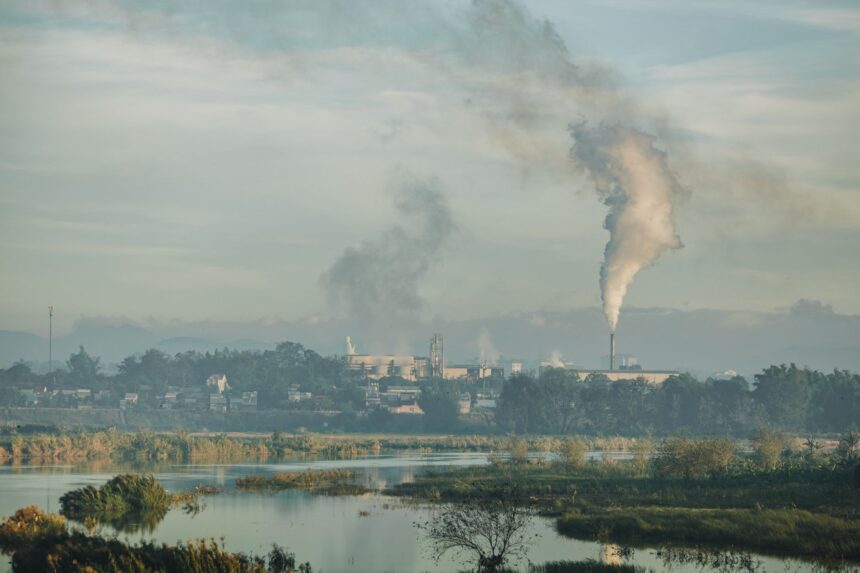
Map showing air pollution impacts from deforestation across Southeast Asian countriesIllustrative image · Photo by Thái Trường Giang on Pexels (Pexels License)
New research reveals land use changes in Southeast Asia cause 13,000 annual deaths from air pollution, with Indonesia, Vietnam, and Thailand facing the highest burden. Strategic land management could prevent thousands of deaths while supporting sustainable development. — Photo by Thái Trường Giang on Pexels (Pexels License)
SHARE
5 min read|958 words
✓ Reviewed by Prof. Giorgi Pkhakadze, MD, MPH, PhD · ORCID 0000-0001-7609-4515

🟢 Strong Evidence

Contents
    • Key takeaways
      • Study at a Glance
      • Health Impact of Land Use Changes by Country
  • Forest Degradation Emerges as Primary Driver
  • Economic Losses Mount Across Most Affected Nations
  • Strategic Land Management Offers Prevention Pathway
  • Regional Cooperation Essential for Effective Response
    • What this means
  • Frequently asked questions
    • Which countries in Southeast Asia are most affected by land use-related air pollution?
    • What types of land use changes are driving air quality problems?
    • Can strategic land management prevent these health impacts?

Land use and land cover changes across Southeast Asia are contributing to significant air quality deterioration, resulting in thousands of premature deaths and billions of dollars in economic losses annually. A comprehensive modelling study published in The Lancet Planetary Health reveals the stark public health consequences of deforestation and forest degradation in the region.

Key takeaways

  • Land use changes in Southeast Asia cause approximately 13,000 excess deaths annually from air pollution exposure
  • Indonesia, Vietnam, and Thailand face the highest health and economic burden from environmental degradation
  • Strategic land management policies could prevent thousands of deaths while supporting sustainable economic development

Study at a Glance

Source The Lancet Planetary Health
Study type Modelling study
Sample size 21st century regional analysis
Population Southeast Asian populations
Country Southeast Asia region
13,000
annual excess deaths linked to air pollution from land use changes in Southeast Asia

Health Impact of Land Use Changes by Country

Annual excess deaths from air pollution, 2021 estimates

Indonesia
5,200
Vietnam
3,400
Thailand
2,600
Philippines
1,300
Malaysia
500

Source: The Lancet Planetary Health, 2026 | Georgian Medical Journal News

Submit Your Paper
GMJ_Submit_Banner

Forest Degradation Emerges as Primary Driver

The research identifies forest degradation and deforestation as the predominant factors behind air quality deterioration across the region. These land use changes release particulate matter and other pollutants into the atmosphere, creating a cascade of health impacts that disproportionately affect vulnerable populations.

🎙️ Related Podcast Episodes
🎧 #14 | WHO: Four in Ten Cancer Cases Could Be Prevented Globally · 16m
🎧 # 6 | WHO Influenza Vaccine Update 2026–2027 | GMJ Briefing · 19m

According to the study’s modelling framework, forest conversion to agricultural land and urban development has accelerated throughout the 21st century. The World Health Organization has previously highlighted ambient air pollution as one of the leading environmental health risks globally, with Southeast Asia representing a critical hotspot.

The authors emphasize that current trajectories of land use change, if maintained, will likely exacerbate both health and economic consequences. For healthcare professionals treating patients in affected regions, understanding these global health patterns becomes increasingly relevant for preventive care strategies.

Economic Losses Mount Across Most Affected Nations

Beyond the human toll, the study quantifies substantial economic impacts from land use-related air pollution. Indonesia faces the highest financial burden, with healthcare costs and productivity losses reaching billions of dollars annually according to the research team’s economic modelling.

Vietnam and Thailand follow as the next most economically impacted countries, reflecting their significant agricultural expansion and urban development patterns. The World Bank has previously documented how environmental degradation disproportionately affects economic development in emerging economies.

These findings align with broader patterns observed in recent environmental health research, where rapid economic development often comes at the cost of environmental quality and public health outcomes.

Strategic Land Management Offers Prevention Pathway

The study’s authors argue that strategic land management represents the most viable pathway for preventing future health impacts while maintaining economic development goals. Their modelling suggests that targeted conservation of high-value forest areas could significantly reduce air pollution exposure across affected populations.

Policy interventions focusing on sustainable agriculture and controlled urban expansion emerge as key recommendations. The United Nations Environment Programme has advocated for similar integrated approaches that address both environmental protection and development needs.

For public health officials, these findings underscore the importance of intersectoral collaboration between environmental, health, and economic planning agencies. The research supports arguments for stronger health policy integration in land use planning decisions.

Land use and land cover changes in Southeast Asia are causing approximately 13,000 excess deaths annually, with forest degradation serving as the primary driver of air quality deterioration.

— Research Team, The Lancet Planetary Health (2026)

Regional Cooperation Essential for Effective Response

The transboundary nature of air pollution from land use changes necessitates coordinated regional responses, according to the study’s conclusions. Smoke and particulate matter from deforestation activities frequently cross national borders, affecting populations far from the original source.

The Association of Southeast Asian Nations (ASEAN) has previously established frameworks for addressing transboundary haze, but implementation has faced significant challenges. The Centers for Disease Control and Prevention recommends that affected countries develop coordinated monitoring and response systems for air quality management.

Healthcare systems across the region must prepare for increasing respiratory and cardiovascular disease burdens linked to air pollution exposure. This preparation includes enhanced diagnostic capabilities, treatment protocols, and preventive health messaging for at-risk populations.

What this means

For patients: Individuals in Southeast Asia should monitor air quality indices, use air purification systems when possible, and seek medical attention for respiratory symptoms during high pollution periods.
For clinicians: Healthcare providers should increase screening for air pollution-related conditions, particularly respiratory and cardiovascular diseases, especially in Indonesia, Vietnam, and Thailand.
For policymakers: Governments must integrate health impact assessments into land use planning decisions and develop coordinated regional strategies for forest conservation and air quality management.

Frequently asked questions

Which countries in Southeast Asia are most affected by land use-related air pollution?

Indonesia, Vietnam, and Thailand face the highest health and economic burden according to the study. Indonesia leads with approximately 5,200 annual excess deaths, followed by Vietnam with 3,400 and Thailand with 2,600 deaths.

What types of land use changes are driving air quality problems?

Forest degradation and deforestation represent the primary drivers of air quality deterioration. These changes occur mainly through conversion of forest land to agriculture and urban development throughout the 21st century.

Can strategic land management prevent these health impacts?

Yes, the study’s modelling suggests that targeted forest conservation and sustainable land use planning could significantly reduce air pollution exposure and prevent thousands of deaths annually while supporting economic development goals.

The research underscores an urgent need for Southeast Asian nations to balance economic development with environmental protection and public health priorities. As the region continues to experience rapid growth, implementing evidence-based land management strategies becomes critical for preventing further deterioration of air quality and associated health outcomes. Success will require unprecedented coordination between environmental, health, and economic sectors across national boundaries.

Source: Air quality, health, and economic effects of land use and land cover changes in southeast Asia in the 21st century: a modelling study

Was this article helpful?

Disclaimer. This article is health journalism intended for general information and education. It is not medical advice and is not a substitute for professional diagnosis or treatment. Always consult a qualified healthcare provider about your individual circumstances. Full disclaimer →

Related Coverage

Molecular Tumor Boards Reduce Death Risk by 13% in Cancer Patients, Meta-Analysis ShowsJul 6, 2026
Popular Joint Pain Supplement Glucosamine Linked to Accelerated Dementia RiskJul 6, 2026
CMAJ Issues Correction to Major Electronic Health Records Study Across CanadaJul 6, 2026
Autism Panel Promotes Controversial Telepathy-Based Spelling Therapy Despite Abuse WarningsJul 6, 2026
Related reference
  • Iron · Ingredient
PG
Written by
Prof. Giorgi Pkhakadze, MD, MPH, PhD
Editor-in-Chief, GMJ News
Full profile →  ·  ORCID 0000-0001-7609-4515
Medical disclaimer. This article is health journalism intended for general information. It is not medical advice and is not a substitute for consultation with a qualified healthcare professional. Always seek your physician's advice regarding any medical condition.
Medically reviewed by Prof. Giorgi Pkhakadze, MD, MPH, PhD. Spotted an error? Contact the editorial team.

Get the GMJ News digest
Evidence-based health journalism in your inbox. No spam; unsubscribe anytime.
TAGGED:air pollutiondeforestationenvironmental healthpublic healthSoutheast Asia
Share This Article
Facebook LinkedIn Bluesky Copy Link Print
GMJ
ByGMJ Policy Desk
Follow:
GMJ Policy Desk is part of GMJ News, the newsroom of the Georgian Medical Journal (gmj.ge), published by the Public Health Institute of Georgia. Every article is editorially reviewed before publication.
Leave a Comment Leave a Comment

Leave a Reply Cancel reply

Your email address will not be published. Required fields are marked *

Submit Your Paper →

Georgia's peer-reviewed open-access medical journal. No APC until January 2027.
Submit Manuscript →
Molecular Tumor Boards Reduce Death Risk by 13% in Cancer Patients, Meta-Analysis Shows

Comprehensive meta-analysis of 78 studies shows molecular tumor boards reduce cancer death…

UK Primary Care Gets New Framework for Managing Suicidal Ideation

New BMJ clinical update provides evidence-based framework for identifying and managing suicidal…

Popular Joint Pain Supplement Glucosamine Linked to Accelerated Dementia Risk

University of Florida research reveals concerning association between glucosamine supplements and accelerated…

Submit Your Paper to GMJ

No APC until January 2027.
Submit Manuscript →

You Might Also Like

Comparison chart showing protein synthesis rates between animal and plant protein sources
New Studies

Plant vs Animal Protein: New Research Challenges Single-Meal Assumptions

By
GMJ Research Desk
21/05/2026
FDA safety communication document about Boston Scientific Accolade pacemaker battery concernsIllustrative image · Photo by Sami TÜRK on Pexels (Pexels License)
Policy & SystemsQuality & Safety

FDA Issues Safety Alert for Boston Scientific Accolade Pacemakers Over Premature Battery Depletion

By
GMJ Policy Desk
04/07/2026
Comparison chart showing different magnesium supplement forms and their cognitive research outcomes
New StudiesResearch Digest

Magnesium Form May Not Matter for Cognitive Benefits, New Meta-Analysis Suggests

By
GMJ Research Desk
25/05/2026
Rick Pazdur speaking at ASCO 2026 conference about FDA restructuring and regulatory competition
Health PolicyPolicy & Systems

FDA’s Pazdur Calls for Agency Restructuring Amid China Competition and Internal Upheaval

By
GMJ Policy Desk
09/06/2026
Facebook Twitter Youtube Instagram
Company
  • Privacy Policy
  • Contact US
  • GMJ Journal
  • Submit Manuscript
  • Editorial Team
  • Register at GMJ
  • Terms of Use

Subscribe to GMJ News — Click here

Join Community
© 2026 Georgian Medical Journal (GMJ). Published by the Public Health Institute of Georgia (PHIG). All rights reserved.
Welcome Back!

Sign in to your account

Username or Email Address
Password

Lost your password?

Not a member? Sign Up