🟠 Moderate Evidence
Not all fiber works the same way. While public health messaging encourages people to “eat more fiber” for better gut health, the biochemical reality is far more nuanced: different fiber types activate distinct microbial pathways and produce different metabolic outcomes. Resistant starch, a subset of dietary fiber that escapes digestion in the small intestine, operates through a specific and well-characterized mechanism involving bacterial fermentation and short-chain fatty acid production—a mechanism fundamentally different from soluble or insoluble fibers. Understanding these differences is critical for both clinical practice and public health recommendations, yet remains largely absent from mainstream dietary guidance.
Key takeaways
- Resistant starch reaches the colon intact and is fermented by butyrate-producing bacteria (primarily Faecalibacterium prausnitzii, Roseburia, and Agathobacter species), delivering specialized metabolic effects distinct from other fiber types
- Effective doses of resistant starch range from 15–30g daily according to intervention studies, far exceeding typical Western intake of 3–6g per day
- Butyrate production from resistant starch is highly microbiome-dependent; individuals with low baseline populations of butyrate-producing bacteria show substantially diminished responses to the same dose
- Food sources alone deliver modest amounts (3–4g per cooked, cooled potato; ~2g per 100g cooked rice), making supplementation with high-amylose maize starch necessary for clinical study doses
How Resistant Starch Works: A Specific Bacterial Pathway
Resistant starch functions through a narrow but powerful biochemical channel. According to the landmark MSPrebiotic trial, when intact resistant starch reaches the colon, specialized bacterial species ferment it to produce butyrate—a short-chain fatty acid that serves as the primary fuel for colonocytes (intestinal epithelial cells). This mechanism distinguishes resistant starch from other fiber types, which may work through mechanisms such as water-holding capacity, viscosity, or different fermentation end-products.
Butyrate does more than fuel colon cells. Research indicates it inhibits histone deacetylases (enzymes that regulate gene expression), supports tight junction proteins critical for maintaining the intestinal barrier, and exerts anti-inflammatory effects on colonic epithelium. The consistency of butyrate-production findings in the fiber literature—as documented in reviews by Queenan et al. in Nutrition Journal (2007)—suggests this is among the most robust mechanisms in dietary fiber research.

The three primary butyrate-producing bacterial species involved in resistant starch fermentation are Faecalibacterium prausnitzii, Roseburia, and Agathobacter. These organisms have co-evolved specifically to metabolize resistant starch into butyrate, making them the functional keystone for this particular dietary intervention.
Typical Western Resistant Starch Intake vs. Clinically Effective Doses
Daily consumption (grams) — Western baseline vs. intervention study protocols
Source: MSPrebiotic trial, Queenan et al. (2007) Nutrition Journal, Anderson et al. (2000) American Journal of Clinical Nutrition | Georgian Medical Journal News
The Dose Problem: Food vs. Supplementation
A critical gap exists between what people consume and what research shows is needed for measurable effects. The MSPrebiotic trial documented that significant butyrate increases occurred at 21g of resistant starch daily (delivered as 30g of raw potato starch) over 12 weeks. Most intervention studies cluster in the 15–30g per day range for observable metabolic changes.
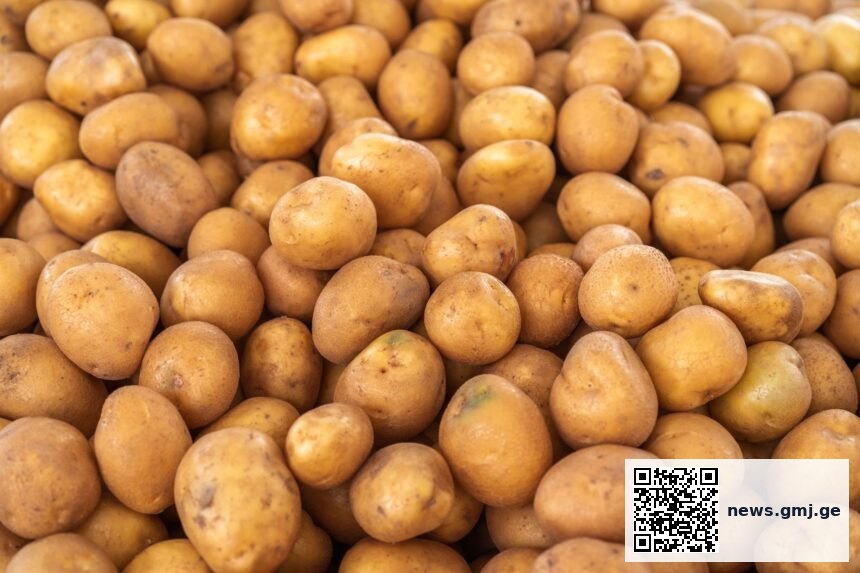
Typical Western intake of resistant starch is only 3–6g per day, according to assessments cited in reviews by Anderson et al. in the American Journal of Clinical Nutrition (2000)—well below intervention thresholds. This poses a practical problem: achieving therapeutic doses through food alone is difficult. A cooked and cooled potato delivers approximately 3–4g of resistant starch per serving. Cooked and cooled rice yields roughly 2g per 100g serving. Even green bananas, which are richer in resistant starch than potato or rice, require consumption of multiple servings to reach 15–21g.
This gap explains why most clinical trials have used high-amylose maize starch supplements, which can deliver 15–40g of resistant starch per serving. For research-grade doses to be achievable outside laboratory settings, supplementation appears necessary for most patients.
Microbiome Status Determines Response: A Critical Variable
A crucial limitation to resistant starch efficacy is microbiome-dependent. Butyrate production from resistant starch is not universal across all individuals. People with low baseline populations of butyrate-producing bacteria produce substantially less butyrate from the same dose of resistant starch compared to those with robust populations of Faecalibacterium prausnitzii, Roseburia, and Agathobacter species.
This means two patients consuming identical doses of resistant starch may experience markedly different metabolic outcomes based on their existing microbiota composition. Recent microbiome research has highlighted the importance of baseline bacterial composition as a predictor of fiber intervention response, a finding with significant implications for personalized nutrition. Some individuals—those with dysbiosis or disrupted butyrate-producer populations—may require either higher doses, longer adaptation periods, or supplementation with butyrate-producing bacteria themselves to realize the benefits of resistant starch.
Butyrate production from resistant starch is among the most consistent mechanisms in the fiber literature, but efficacy depends critically on having adequate baseline populations of butyrate-producing bacteria. Individuals with dysbiosis may show diminished or absent responses to standard doses.
— Queenan et al., Nutrition Journal (2007)
What this means
The Bigger Picture: Fiber as a Precision Tool
The distinction between fiber types represents a broader shift in nutrition science: from “more is better” to “the right tool for the job.” Just as clinicians would not treat hypertension with a bile acid sequestrant when an ACE inhibitor is indicated, dietary recommendations should specify fiber types based on desired metabolic endpoints. Resistant starch’s mechanism—specialized bacterial fermentation producing butyrate—is distinct from soluble fiber’s viscosity effects or insoluble fiber’s water-holding properties.
The emerging evidence base suggests that future dietary guidelines should move beyond aggregate fiber recommendations toward mechanism-specific guidance. This requires further research into microbiota profiling, optimal dosing for subpopulations, and cost-effective supplementation strategies. Evidence-based patient education must also evolve to explain why food alone may be insufficient and when supplementation is warranted.
Frequently asked questions
How much resistant starch do I need to see benefits?
The MSPrebiotic trial showed significant butyrate increases at 21g daily over 12 weeks. Most intervention studies use 15–30g per day. Typical Western intake is only 3–6g per day, making supplementation with high-amylose maize starch more practical than food sources alone for achieving therapeutic doses.
Can I get enough resistant starch from food?
Partially, but not easily at therapeutic doses. A cooked, cooled potato provides 3–4g of resistant starch; cooked rice provides ~2g per 100g serving. To reach 15–21g daily from food, you would need 4–7 cooked potatoes or equivalent servings, which is impractical. High-amylose maize starch supplements (15–40g per serving) are more efficient for reaching clinical doses.
What if I have dysbiosis—will resistant starch still work?
Possibly not at standard doses. Butyrate production is microbiome-dependent, and people with low baseline populations of butyrate-producing bacteria (Faecalibacterium prausnitzii, Roseburia, Agathobacter) produce substantially less butyrate from resistant starch. If you have dysbiosis, you may benefit from a stepwise approach (starting low, going slow) or concurrent supplementation with butyrate-producing probiotic strains.
As personalized medicine advances, the one-size-fits-all fiber recommendation will likely give way to mechanism-based, microbiota-informed strategies. Resistant starch exemplifies this shift: its efficacy is real, its dose is meaningful, and its individual response is variable. The challenge for clinicians and patients alike is moving beyond generic dietary advice to understand the specific tools available and how to deploy them effectively.
Source: Most people think of fiber as one category
Was this article helpful?
Disclaimer. This article is health journalism intended for general information and education. It is not medical advice and is not a substitute for professional diagnosis or treatment. Always consult a qualified healthcare provider about your individual circumstances. Full disclaimer →
Related Coverage




Editorial standards. This article was produced under the GMJ News editorial process, with oversight by the GMJ Editorial Board. Our editorial process. Spotted an error? Contact the editorial team.