By using this site, you agree to the Privacy Policy and Terms of Use.
Accept
GMJ NewsGMJ NewsGMJ News
  • Latest News
    • GMJ Briefs
  • Podcast & Media
    • Podcast Episodes
    • GMJ Audio
    • GMJ Videos
  • Research Digest
    • New Studies
    • Georgian Research
    • Data & Numbers
  • Policy & Systems
    • Health Policy
    • Quality & Safety
    • Migration & Health
    • Global Health
  • Practice
    • Clinical Updates
    • Case Discussions
    • Pharmacy & Prescribing
    • Ingredients A-Z
  • Perspectives
    • Editorial
    • Explainers
    • Voices
    • Letters
  • GMJ Articles
    • Vol. 1 Issue 2 (2026)
    • Vol. 1 Issue 1 (2026)
    • Pre-Launch Articles (2025)
  • Read the Journal →
  • About GMJ News
Notification Show More
Font ResizerAa
GMJ NewsGMJ News
Font ResizerAa
  • Latest News
    • GMJ Briefs
  • Podcast & Media
    • Podcast Episodes
    • GMJ Audio
    • GMJ Videos
  • Research Digest
    • New Studies
    • Georgian Research
    • Data & Numbers
  • Policy & Systems
    • Health Policy
    • Quality & Safety
    • Migration & Health
    • Global Health
  • Practice
    • Clinical Updates
    • Case Discussions
    • Pharmacy & Prescribing
    • Ingredients A-Z
  • Perspectives
    • Editorial
    • Explainers
    • Voices
    • Letters
  • GMJ Articles
    • Vol. 1 Issue 2 (2026)
    • Vol. 1 Issue 1 (2026)
    • Pre-Launch Articles (2025)
  • Read the Journal →
  • About GMJ News
Follow US
GMJ News > Practice > Clinical Updates > Melatonin’s antioxidant role in muscle health: what the evidence shows
Clinical UpdatesExplainersNew StudiesPerspectivesPracticeResearch Digest

Melatonin’s antioxidant role in muscle health: what the evidence shows

GMJ
Last updated: 12/07/2026 13:29
By
GMJ Practice Desk
Share
8 Min Read
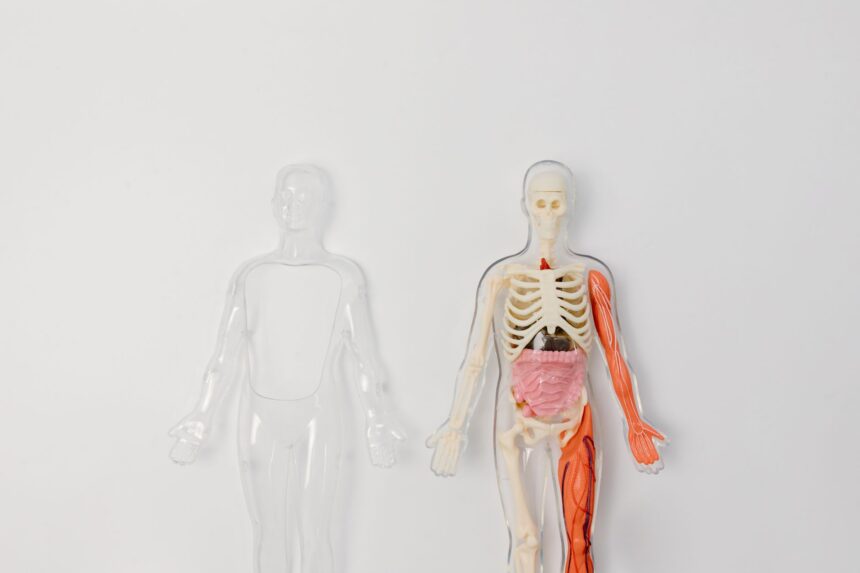
Diagram of melatonin's proposed antioxidant pathways in skeletal muscle mitochondriaIllustrative image · Photo by Tara Winstead on Pexels (Pexels License)
Melatonin, known for antioxidant effects in the brain and gut, may also protect skeletal muscle through mitochondrial signalling pathways. Animal studies show promise, but human clinical evidence remains preliminary. — Photo by Tara Winstead on Pexels (Pexels License)
SHARE
5 min read|1,032 words
✓ Medically reviewed by Prof. Giorgi Pkhakadze, MD, MPH, PhD · ORCID 0000-0001-7609-4515

🟠 Moderate Evidence

Contents
    • Key takeaways
      • Melatonin’s proposed antioxidant pathways in skeletal muscle
  • How melatonin protects muscle at the mitochondrial level
  • Animal evidence and mechanism, but limited human data
  • Implications for age-related muscle loss and beyond
    • What this means
  • Frequently asked questions
    • Should I take melatonin supplements to preserve muscle mass?
    • Does melatonin have any established role in muscle health research?
    • What is sarcopenia and how is it currently prevented?

Melatonin, best known as a hormone regulating sleep-wake cycles, functions as a potent antioxidant in multiple tissues beyond the brain and gastrointestinal system. Recent mechanistic research suggests that melatonin may protect skeletal muscle health through mitochondrial signalling pathways, though human clinical evidence remains limited. This emerging understanding has implications for age-related muscle loss, though experts caution against premature supplementation protocols.

Key takeaways

  • Melatonin acts as an antioxidant in brain, gut, and skeletal muscle tissue through mitochondrial mechanisms
  • Animal studies show melatonin accumulates in muscle mitochondria and may preserve their size and function
  • The proposed pathway involves activation of SIRT1/PGC-1α signalling, critical for mitochondrial biogenesis
  • Clinical evidence in humans remains preliminary; supplementation protocols for muscle health are not yet established
3 tissues
Brain, gut, and skeletal muscle have documented antioxidant roles for endogenous melatonin production

Melatonin’s proposed antioxidant pathways in skeletal muscle

Mechanistic actions targeting mitochondrial function and sarcopenia prevention

Mitochondrial biogenesis (SIRT1/PGC-1α activation)
Primary mechanism
Mitochondrial preservation (size and function)
Supporting pathway
Antioxidant enzyme activity (CAT, other)
Protective effect
Contractile protein turnover
Complementary role
Human clinical evidence

Limited

Source: Mechanistic pathway analysis | Georgian Medical Journal News

Submit Your Paper
GMJ_Submit_Banner

How melatonin protects muscle at the mitochondrial level

Melatonin is synthesized endogenously in the mitochondria of multiple cell types, where it functions as a free-radical scavenger. The hormone’s antioxidant capacity in the brain and gastrointestinal tract is well-established, but emerging evidence suggests an analogous protective role in skeletal muscle. Animal research indicates that melatonin accumulates specifically in muscle mitochondria—demonstrated in rat gastrocnemius muscle studies—where it helps preserve both mitochondrial structure and function during metabolic stress.

🎙️ Related Podcast Episodes
🎬 NAD⁺ Injections and “NAD Boosters”
🎬 GMJ Video Series | Rare Case: Lung Cancer & Tuberculosis Coexistence
🎧 #54 | GMJ Podcast | The Blueprint of a Medical Journal: Designing an Open-Access Scientific Platform · 19m
🎬 The Blueprint of a Medical Journal | How GMJ Was Built
🎧 #53 | GMJ Podcast | Palliative Care in Georgia — Health System Gaps, Access Barriers, and Policy Implications · 16m

The primary proposed mechanism involves activation of the SIRT1/PGC-1α signalling pathway, which regulates nuclear respiratory factors (NRF1 and NRF2). This cascade stimulates the production of new mitochondria and enhances the expression of antioxidant enzymes, including catalase (CAT). For ageing populations at risk of sarcopenia—age-related muscle loss—mitochondrial dysfunction is a central pathological feature. Improving mitochondrial number and function therefore represents a critical intervention target, alongside maintaining contractile protein turnover and neuromuscular junction integrity.

Animal evidence and mechanism, but limited human data

Preclinical studies in rodents support the mechanistic plausibility of melatonin’s muscle-protective effects. Research on rat calf muscle demonstrates melatonin’s capacity to preserve mitochondrial size and preserve function when animals are subjected to conditions modelling age-related decline or oxidative stress. However, these findings remain in the animal model phase and have not yet translated into robust human clinical trials.

Experts emphasize that while the theoretical basis is sound—melatonin is a naturally occurring mitochondrial metabolite with documented antioxidant activity—translating this into evidence-based supplementation protocols requires human phase II and phase III randomized controlled trials. Clinical Updates on muscle health interventions typically focus on proven modalities such as resistance training and adequate protein intake, which have strong human evidence. Melatonin supplementation for muscle preservation, though biologically plausible, remains in the investigational stage.

Melatonin accumulates in skeletal muscle mitochondria and may preserve their size and function through SIRT1/PGC-1α-mediated mitochondrial biogenesis, a mechanism theoretically relevant to sarcopenia prevention in ageing populations.

— Mechanistic pathway analysis, preclinical evidence base

Implications for age-related muscle loss and beyond

Sarcopenia—progressive loss of muscle mass and strength with advancing age—is a major driver of disability, falls, and loss of independence in older adults. Current prevention strategies emphasize resistance exercise and adequate protein intake, both supported by strong evidence. The emerging understanding of melatonin’s mitochondrial role adds a potential biological mechanism by which endogenous melatonin production may contribute to muscle health; however, whether exogenous supplementation improves clinical outcomes remains unproven.

The proposed pathways offer theoretical promise for future research. If human trials demonstrate efficacy, melatonin supplementation might complement existing sarcopenia prevention strategies, particularly for individuals with documented circulating melatonin deficiency or mitochondrial dysfunction. For now, the evidence supports maintaining adequate sleep (which optimizes endogenous melatonin production), engaging in regular resistance training, and ensuring sufficient protein intake—all established pillars of muscle health in older age.

What this means

For patients: Endogenous melatonin production through good sleep hygiene and circadian rhythm maintenance may support muscle health; supplementation for muscle preservation is not yet evidence-based and should not replace proven interventions like resistance training and adequate protein intake.
For clinicians: Current clinical guidance for sarcopenia prevention remains resistance exercise and adequate protein; melatonin’s mitochondrial role is mechanistically interesting but lacks human efficacy data and should not yet inform prescribing decisions.
For policymakers: Funding mechanistic research on melatonin and muscle health is justified given ageing populations and sarcopenia burden; however, public health messaging should continue to emphasize proven modalities (exercise, nutrition) pending clinical trial outcomes.

Frequently asked questions

Should I take melatonin supplements to preserve muscle mass?

Not on current evidence. While melatonin’s antioxidant role in muscle mitochondria is theoretically plausible based on animal studies, there is no established human clinical evidence that melatonin supplementation prevents or reverses muscle loss. Proven interventions—resistance training, adequate protein, and adequate sleep—remain the foundation of muscle health in older age.

Does melatonin have any established role in muscle health research?

Melatonin is recognized as an endogenous mitochondrial antioxidant with documented roles in brain and gut health. Its potential role in skeletal muscle is based on mechanistic preclinical research showing that melatonin accumulates in muscle mitochondria and may preserve their function; however, human clinical efficacy trials are lacking.

What is sarcopenia and how is it currently prevented?

Sarcopenia is age-related progressive loss of muscle mass and strength, a major driver of disability in older adults. Current evidence-based prevention relies on regular resistance exercise, adequate protein intake (typically 1.0–1.2 g/kg body weight daily), and maintenance of overall physical activity and sleep quality.

As the global population ages, understanding mitochondrial dysfunction in muscle represents a critical research frontier. The emerging role of endogenous melatonin in protecting mitochondrial health offers a biologically plausible mechanism worth investigating in rigorous human trials. Should clinical evidence eventually support melatonin supplementation for sarcopenia prevention, it could provide a complementary tool for managing age-related muscle loss. For now, clinicians and patients should rely on established clinical updates and proven modalities, while remaining attentive to results from future human trials.

Source: Mechanistic pathway analysis of melatonin and skeletal muscle health, based on preclinical evidence | Georgian Medical Journal News

Was this article helpful?

Disclaimer. This article is health journalism intended for general information and education. It is not medical advice and is not a substitute for professional diagnosis or treatment. Always consult a qualified healthcare provider about your individual circumstances. Full disclaimer →

Related Coverage

The Melatonin Myth: Why Taking a Pill Misses the Biochemical PictureJul 22, 2026
How Creatine Supplements Reshape Your Body's Methylation CycleJul 21, 2026
Why vitamin D prescriptions favour weekly boluses over daily doses — and what the evidence saysJul 21, 2026
Mitochondria as metabolic decision-makers: how cellular power plants regulate inflammation, aging, and diseaseJul 21, 2026
Related reference
  • Melatonin · Ingredient
PG
Written by
Prof. Giorgi Pkhakadze, MD, MPH, PhD
Editor-in-Chief, GMJ News
Full profile →  ·  ORCID 0000-0001-7609-4515
Medical disclaimer. This article is health journalism intended for general information. It is not medical advice and is not a substitute for consultation with a qualified healthcare professional. Always seek your physician's advice regarding any medical condition.
Medically reviewed by Prof. Giorgi Pkhakadze, MD, MPH, PhD. Spotted an error? Contact the editorial team.

Get the GMJ News digest
Evidence-based health journalism in your inbox. No spam; unsubscribe anytime.
TAGGED:antioxidantmelatoninmitochondriasarcopeniaskeletal muscle
Share This Article
Facebook LinkedIn Bluesky Copy Link Print
GMJ
ByGMJ Practice Desk
Follow:
GMJ Practice Desk is part of GMJ News, the newsroom of the Georgian Medical Journal (gmj.ge), published by the Public Health Institute of Georgia. Every article is editorially reviewed before publication.
Leave a Comment Leave a Comment

Leave a Reply Cancel reply

Your email address will not be published. Required fields are marked *

Submit Your Paper →

Georgia's peer-reviewed open-access medical journal. No APC until January 2027.
Submit Manuscript →
The Melatonin Myth: Why Taking a Pill Misses the Biochemical Picture

Most people treat melatonin as a simple sleep replacement, but your body…

How Creatine Supplements Reshape Your Body’s Methylation Cycle

Your body produces 2 grams of creatine daily, consuming 40% of your…

Why vitamin D prescriptions favour weekly boluses over daily doses — and what the evidence says

Vitamin D prescriptions typically specify 50,000 IU weekly, a pattern driven by…

Submit Your Paper to GMJ

No APC until January 2027.
Submit Manuscript →

You Might Also Like

International survey on cardio-oncology training presented at ESC Cardio-Oncology 2026 conferenceIllustrative image · Photo by Thirdman on Pexels (Pexels License)
Clinical UpdatesHealth PolicyPolicy & SystemsPractice

International Survey Reveals Critical Gaps in Cardio-Oncology Training Despite Rising Clinical Demand

By
GMJ Practice Desk
14/07/2026
Scientific comparison chart showing magnesium supplement bioavailability percentages
New Studies

Magnesium Supplement Chemistry: Why Marketing Claims Don’t Match Absorption Science

By
GMJ Research Desk
22/05/2026
Continuous glucose monitor data showing varied blood sugar responses to identical white bread meals
New StudiesResearch Digest

Identical Meals, Different Bodies: Why Blood Sugar Response Varies Fivefold Between People

By
GMJ Research Desk
27/05/2026
Infographic showing vaccination coverage trends and timing importance for childhood immunisation programmes
New Studies

Vaccination Coverage Alone Is Not Enough: New Evidence Shows Timing Matters More Than We Thought

By
GMJ Research Desk
21/05/2026
Facebook Twitter Youtube Instagram
Company
  • Privacy Policy
  • Contact US
  • GMJ Journal
  • Submit Manuscript
  • Editorial Team
  • Register at GMJ
  • Terms of Use

Subscribe to GMJ News — Click here

Join Community
© 2026 Georgian Medical Journal (GMJ). Published by the Public Health Institute of Georgia (PHIG). All rights reserved.
Welcome Back!

Sign in to your account

Username or Email Address
Password

Lost your password?

Not a member? Sign Up