
By using this site, you agree to the Privacy Policy and Terms of Use.
Accept
GMJ NewsGMJ NewsGMJ News
  • Latest News
    • GMJ Briefs
  • Podcast & Media
    • Podcast Episodes
    • GMJ Audio
    • GMJ Videos
  • Research Digest
    • New Studies
    • Georgian Research
    • Data & Numbers
  • Policy & Systems
    • Health Policy
    • Quality & Safety
    • Migration & Health
    • Global Health
  • Practice
    • Clinical Updates
    • Case Discussions
    • Pharmacy & Prescribing
    • Ingredients A-Z
  • Perspectives
    • Editorial
    • Explainers
    • Voices
    • Letters
  • GMJ Articles
    • Vol. 1 Issue 2 (2026)
    • Vol. 1 Issue 1 (2026)
    • Pre-Launch Articles (2025)
  • Read the Journal →
  • About GMJ News
Notification Show More
Font ResizerAa
GMJ NewsGMJ News
Font ResizerAa
  • Latest News
    • GMJ Briefs
  • Podcast & Media
    • Podcast Episodes
    • GMJ Audio
    • GMJ Videos
  • Research Digest
    • New Studies
    • Georgian Research
    • Data & Numbers
  • Policy & Systems
    • Health Policy
    • Quality & Safety
    • Migration & Health
    • Global Health
  • Practice
    • Clinical Updates
    • Case Discussions
    • Pharmacy & Prescribing
    • Ingredients A-Z
  • Perspectives
    • Editorial
    • Explainers
    • Voices
    • Letters
  • GMJ Articles
    • Vol. 1 Issue 2 (2026)
    • Vol. 1 Issue 1 (2026)
    • Pre-Launch Articles (2025)
  • Read the Journal →
  • About GMJ News
Follow US
GMJ News > Perspectives > Explainers > How Brain Chemistry Shapes Mood, Sleep, and Focus: A Guide to Neurotransmitters
ExplainersPerspectives

How Brain Chemistry Shapes Mood, Sleep, and Focus: A Guide to Neurotransmitters

GMJ
Last updated: 12/07/2026 13:29
By
GMJ Perspectives Desk
Share
10 Min Read
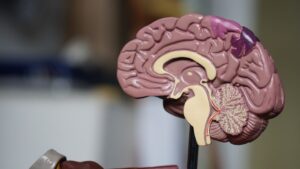
Illustration of neurotransmitter signaling between brain cells showing dopamine, serotonin, and GABA pathwaysIllustrative image · Photo by Shane on Unsplash (Unsplash License)
Neurotransmitters—chemical messengers between brain cells—regulate mood, sleep, motivation, and cognitive focus. Understanding these twelve major signaling systems explains why lifestyle and targeted interventions improve mental and physical health. — Photo by Shane on Unsplash (Unsplash License)
SHARE
6 min read|1,257 words
✓ Reviewed by Prof. Giorgi Pkhakadze, MD, MPH, PhD · ORCID 0000-0001-7609-4515

🟠 Moderate Evidence

Contents
    • Key takeaways
      • The Neurotransmitter Orchestra: Key Functions in Brain Chemistry
  • The Core System: Excitation and Inhibition in Balance
  • The Mood-Sleep-Motivation Triad: Serotonin, Dopamine, and Norepinephrine
  • Functional Symptoms Precede Structural Disease
  • Energy, Sleep, and the Lesser-Known Messengers
    • What this means
  • Frequently asked questions
    • How do I know if my neurotransmitters are out of balance?
    • Can lifestyle changes actually affect neurotransmitter function?
    • Why do SSRIs take weeks to work if they affect serotonin immediately?

The brain operates through chemical conversation. Neurotransmitters—small molecules that transmit signals between neurons—regulate everything from mood and motivation to sleep quality and cognitive focus. When these chemical messengers function in balance, mental and physical health follow; when they become dysregulated, functional symptoms often emerge before structural disease takes hold.

Key takeaways

  • Twelve major neurotransmitters govern distinct aspects of brain function, from dopamine’s role in motivation to serotonin’s regulation of mood and sleep
  • Neurotransmitter dysregulation typically produces functional symptoms—fatigue, poor focus, mood instability—before detectable brain pathology develops
  • Understanding these chemical pathways helps explain why lifestyle factors and pharmacological interventions both influence mental and cognitive health
  • Each neurotransmitter balances excitatory and inhibitory signals; maintaining this equilibrium is essential for resilience, sleep, and cognitive performance
12
Major neurotransmitter systems regulate mood, sleep, attention, motivation, and stress response across the human nervous system

The Neurotransmitter Orchestra: Key Functions in Brain Chemistry

Each neurotransmitter plays a distinct role in regulating behavior, physiology, and perception

Mood, appetite, sleep
Serotonin
Motivation, reward, goal focus
Dopamine
Alertness, attention, stress
Norepinephrine
Learning, memory, attention
Acetylcholine
Neural calm, anxiety reduction
GABA
Wakefulness, immune response
Histamine

Conceptual framework based on neuroscience principles | Georgian Medical Journal News

Submit Your Paper
GMJ_Submit_Banner

The Core System: Excitation and Inhibition in Balance

The nervous system operates through two opposing forces working in constant dialogue. Excitatory signals—primarily glutamate and acetylcholine—fire neurons and enable learning, memory formation, and motor movement. Inhibitory signals—chiefly GABA (gamma-aminobutyric acid)—calm neural activity and promote relaxation and sleep. This balance between activation and restraint is fundamental to brain health.

🎙️ Related Podcast Episodes
🎧 #40 | GMJ Podcast | [Insert Article Title] — Evidence, Clinical Implications, and Public Health Perspective · 16m
🎧 #38 | GMJ Podcast | Acne and Metabolic Dysfunction — Insulin Resistance, IGF-1, and Clinical Implications · 21m
🎧 #18 | WHO Updates HIV Clinical Management Guidelines to Improve Global Treatment · 17m

When this equilibrium tilts toward overexcitation, the result is often anxiety, insomnia, or racing thoughts. When it shifts too far toward inhibition, cognitive fog, lethargy, and depressed mood can emerge. The healthiest nervous system maintains what neuroscientists call dynamic balance—the ability to switch flexibly between activation and calm depending on circumstance.

The Mood-Sleep-Motivation Triad: Serotonin, Dopamine, and Norepinephrine

Three neurotransmitters form the backbone of emotional resilience and goal-directed behavior. Serotonin, produced primarily in the brainstem, acts as a mood stabilizer and regulates sleep-wake cycles, appetite, and pain perception. Dysfunction in serotonergic signaling is implicated in depression, anxiety, and insomnia—which is why selective serotonin reuptake inhibitors (SSRIs) remain a frontline pharmacological treatment for mood disorders.

Dopamine drives motivation, reward processing, and the pursuit of meaningful goals. It is less about pleasure itself and more about the desire to act. Low dopamine correlates with apathy, poor focus, and difficulty initiating tasks—symptoms common in depression and attention-deficit conditions. Norepinephrine amplifies alertness, attention, and the stress response; it mobilizes the body for action in the face of threat or challenge.

These three systems intersect. Chronic stress depletes dopamine and serotonin while elevating norepinephrine, creating a biochemical signature of burnout: exhaustion despite hypervigilance. Supporting these pathways through sleep, exercise, social connection, and—when indicated—pharmacological intervention addresses not just symptoms but the chemistry underlying them.

Functional Symptoms Precede Structural Disease

A critical clinical principle emerges from neurotransmitter physiology: chemical dysregulation produces functional symptoms before structural brain pathology develops. A person with depleted serotonin may report persistent low mood, broken sleep, and appetite changes long before any imaging abnormality appears. Similarly, dopamine insufficiency manifests as motivational collapse and cognitive slowness before neurodegeneration becomes evident.

This lag between chemical imbalance and structural disease creates a therapeutic window. Interventions targeting neurotransmitter regulation—lifestyle modifications including sleep, exercise, nutrition, and stress management, as well as targeted pharmacotherapy—can restore function and prevent the progression toward irreversible pathology. Early recognition of these functional warning signs is therefore clinically valuable; they signal that nervous system chemistry requires support.

Brain function is fundamentally chemical communication in constant balance. When neurotransmitter signaling is well-regulated, it supports mood stability, cognitive performance, stress resilience, sleep quality, and motivation. When signaling becomes dysregulated, functional symptoms often appear before structural disease.

— Established neuroscience principle, reviewed in clinical practice

Energy, Sleep, and the Lesser-Known Messengers

Beyond the familiar triad, several other neurotransmitters play vital roles often overlooked in lay discussion. Acetylcholine, essential for learning, memory, and attention, declines in neurodegenerative conditions and improves with cognitive engagement and sleep. Histamine maintains wakefulness and supports immune signaling; histamine dysregulation can underlie both insomnia and allergic inflammation. Adenosine accumulates during wakefulness and creates sleep pressure—a mechanism directly antagonized by caffeine, which is why afternoon caffeine consumption disrupts sleep quality.

Pain modulation involves two contrasting systems: endorphins, the body’s endogenous opioids that provide analgesia and reward, and substance P, which transmits pain signals and promotes inflammation. The balance between these determines pain perception. Glycine and epinephrine complete the picture, regulating motor control and fight-or-flight activation respectively. Together, these twelve systems form an integrated chemistry that shapes not just thought and mood but physical sensation and physiological response.

What this means

For patients: Sleep, exercise, social connection, and stress management directly support neurotransmitter regulation. Before attributing mood or cognitive changes to character or circumstance, consider that underlying chemistry may be dysregulated and responsive to intervention. Early attention to functional symptoms—sleep disruption, motivation loss, mood shifts—prevents progression to more serious conditions and improves treatment outcomes.
For clinicians: Functional symptoms—fatigue, poor focus, anxiety, sleep disturbance—are often the earliest signs of neurotransmitter dysregulation and warrant systematic assessment and intervention before structural disease emerges. Understanding the chemistry underlying psychiatric and neurological presentations guides both pharmacological and lifestyle-based treatment. Screening for neurotransmitter-related dysfunction in primary care settings can identify reversible causes of common symptoms.
For policymakers: Public health investment in sleep hygiene, physical activity infrastructure, mental health literacy, and stress-reduction programs addresses neurotransmitter health at a population level. School-based mindfulness and sleep education, workplace wellness programs emphasizing sleep and movement, and accessible mental health services all support the chemical foundations of cognitive and emotional wellbeing. Early intervention in neurotransmitter dysregulation reduces downstream burden of depression, anxiety, neurodegenerative disease, and cognitive impairment.

Frequently asked questions

How do I know if my neurotransmitters are out of balance?

Functional symptoms are the primary signal. Persistent low mood, sleep disruption, loss of motivation, poor focus, unexplained fatigue, or heightened anxiety that interfere with daily function warrant professional evaluation. These symptoms often precede detectable structural disease, making early assessment valuable. Blood tests do not typically measure neurotransmitter levels directly, but clinical history and validated symptom scales guide diagnosis and treatment planning.

Can lifestyle changes actually affect neurotransmitter function?

Yes, substantially. Regular aerobic exercise increases dopamine, serotonin, and endorphins; consistent sleep supports serotonin and adenosine regulation; social connection and stress reduction modulate GABA and cortisol; and diet quality influences neurotransmitter precursor availability. These lifestyle factors often produce measurable improvements in mood, focus, and sleep within weeks to months. Pharmacological intervention and lifestyle modification work synergistically and are not mutually exclusive.

Why do SSRIs take weeks to work if they affect serotonin immediately?

SSRIs increase serotonin availability at synapses within hours, but symptomatic improvement typically requires 2–4 weeks. This lag reflects downstream neuroplasticity: sustained increases in serotonin signaling gradually recalibrate neural circuits governing mood regulation, a process requiring time. Patience during this latency period is essential, and dose adjustments should not be made before 4 weeks of treatment unless adverse effects necessitate it.

Understanding the chemistry of the nervous system demystifies why rest, movement, social bonds, and professional help all matter in supporting mental and cognitive health. Neurotransmitters are the language through which the brain speaks; maintaining their balance is as essential to wellbeing as nutrition and sleep. As neuroscience continues to refine our understanding of these chemical systems, the integration of this knowledge into clinical practice and public health policy will deepen.

Source: Evidence-based neuroscience principles and clinical neurotransmitter physiology as reviewed in modern medical literature and clinical practice guidelines.

Was this article helpful?

Disclaimer. This article is health journalism intended for general information and education. It is not medical advice and is not a substitute for professional diagnosis or treatment. Always consult a qualified healthcare provider about your individual circumstances. Full disclaimer →

Related Coverage
How Neurotransmitters Control Your Mood, Sleep, and Focus: A Brain Chemistry PrimerAug 3, 2026
How Protein Structure Determines Life and Disease: A Molecular FrameworkAug 3, 2026
Coffee brewing method significantly affects LDL cholesterol, study finds—paper filters protectiveAug 3, 2026
How Vitamin C Reaches Skin: Blood Supply Proves More Effective Than Topical ApplicationAug 3, 2026
Related reference
  • Choline · Ingredient
  • Glycine · Ingredient
  • GABA · Ingredient
PG
Written by
Prof. Giorgi Pkhakadze, MD, MPH, PhD
Editor-in-Chief, GMJ News
Full profile →  ·  ORCID 0000-0001-7609-4515
Medical disclaimer. This article is health journalism intended for general information. It is not medical advice and is not a substitute for consultation with a qualified healthcare professional. Always seek your physician's advice regarding any medical condition.
Medically reviewed by Prof. Giorgi Pkhakadze, MD, MPH, PhD. Spotted an error? Contact the editorial team.

Get the GMJ News digest
Evidence-based health journalism in your inbox. No spam; unsubscribe anytime.
TAGGED:anxietybrain chemistrydepressionMental Healthneurotransmitterssleep
Share This Article
Facebook LinkedIn Bluesky Copy Link Print
GMJ
ByGMJ Perspectives Desk
Follow:
GMJ Perspectives Desk is part of GMJ News, the newsroom of the Georgian Medical Journal (gmj.ge), published by the Public Health Institute of Georgia. Every article is editorially reviewed before publication.
Leave a Comment Leave a Comment

Leave a Reply Cancel reply

Your email address will not be published. Required fields are marked *

Submit Your Paper →

Georgia's peer-reviewed open-access medical journal. No APC until January 2027.
Submit Manuscript →
Extra Virgin Olive Oil: 20 Grams Daily Linked to Lower Cancer and All-Cause Mortality

Approximately 23,000 Italian adults consuming 30 grams of extra virgin olive oil…

How Neurotransmitters Control Your Mood, Sleep, and Focus: A Brain Chemistry Primer

Your mood, sleep, focus, and motivation depend on 12+ neurotransmitters—chemical messengers that…

Exercise diversity matters as much as exercise volume, new research suggests

Analysis of 2.6 million people across four studies suggests that exercise diversity—the…

Submit Your Paper to GMJ

No APC until January 2027.
Submit Manuscript →

You Might Also Like

Child selecting food at supermarket shelf with warning labels visible on ultra-processed productsIllustrative image · Photo by Yan Krukau on Pexels (Pexels License)
ExplainersHealth PolicyPerspectivesPolicy & Systems

Why Food Labels Alone Won’t Stop Child Obesity in Latin America—Evidence From Ecuador

By
GMJ Perspectives Desk
30/07/2026
Chart showing extraction kinetics of caffeine, catechins, and tannins across 5-minute tea steeping periodIllustrative image · Photo by Lucas Oliveira on Pexels (Pexels License)
ExplainersPerspectives

How Brew Time Transforms Tea Chemistry: What Science Reveals About Steeping Duration

By
GMJ Perspectives Desk
15/07/2026
Diagram showing five pathways of zinc loss in athletes: GI secretion, sweat, skin turnover, urine, and semen, with comparative daily amounts in mgIllustrative image · Photo by Andrea Piacquadio on Pexels (Pexels License)
Clinical UpdatesExplainersPerspectivesPractice

Zinc depletion in athletes: why the standard RDA falls short during training

By
GMJ Practice Desk
26/07/2026
Infographic showing CYP1A2 genotype distribution (AA 45%, AC 44%, CC 11%) and caffeine half-life clearance timesIllustrative image · Photo by Decha Huayyai on Pexels (Pexels License)
Clinical UpdatesExplainersNew StudiesPerspectivesPracticeResearch Digest

Why Coffee’s Heart Risk Depends on Your Genes, Not Headlines

By
GMJ Practice Desk
18/07/2026
Facebook Twitter Youtube Instagram
Company
  • Privacy Policy
  • Contact US
  • GMJ Journal
  • Submit Manuscript
  • Editorial Team
  • Register at GMJ
  • Terms of Use

Subscribe to GMJ News — Click here

Join Community
© 2026 Georgian Medical Journal (GMJ). Published by the Public Health Institute of Georgia (PHIG). All rights reserved.
Welcome Back!

Sign in to your account

Username or Email Address
Password

Lost your password?

Not a member? Sign Up