



By using this site, you agree to the Privacy Policy and Terms of Use.
Accept
GMJ NewsGMJ NewsGMJ News
  • Latest News
    • GMJ Briefs
  • Podcast & Media
    • Podcast Episodes
    • GMJ Audio
    • GMJ Videos
  • Research Digest
    • New Studies
    • Georgian Research
    • Data & Numbers
  • Policy & Systems
    • Health Policy
    • Quality & Safety
    • Migration & Health
    • Global Health
  • Practice
    • Clinical Updates
    • Case Discussions
    • Pharmacy & Prescribing
    • Ingredients A-Z
  • Perspectives
    • Editorial
    • Explainers
    • Voices
    • Letters
  • GMJ Articles
    • Vol. 1 Issue 2 (2026)
    • Vol. 1 Issue 1 (2026)
    • Pre-Launch Articles (2025)
  • Read the Journal →
  • About GMJ News
Notification Show More
Font ResizerAa
GMJ NewsGMJ News
Font ResizerAa
  • Latest News
    • GMJ Briefs
  • Podcast & Media
    • Podcast Episodes
    • GMJ Audio
    • GMJ Videos
  • Research Digest
    • New Studies
    • Georgian Research
    • Data & Numbers
  • Policy & Systems
    • Health Policy
    • Quality & Safety
    • Migration & Health
    • Global Health
  • Practice
    • Clinical Updates
    • Case Discussions
    • Pharmacy & Prescribing
    • Ingredients A-Z
  • Perspectives
    • Editorial
    • Explainers
    • Voices
    • Letters
  • GMJ Articles
    • Vol. 1 Issue 2 (2026)
    • Vol. 1 Issue 1 (2026)
    • Pre-Launch Articles (2025)
  • Read the Journal →
  • About GMJ News
Follow US
GMJ News > GMJ Briefs > Surgical Removal of Ovaries Triggers More Intense Menopausal Symptoms, Study Finds

Surgical Removal of Ovaries Triggers More Intense Menopausal Symptoms, Study Finds

GMJ
Last updated: 02/07/2026 16:43
By
Prof. Giorgi Pkhakadze
Share
1 Min Read
Medical illustration showing comparison between surgical and natural menopause symptoms
New research shows surgical menopause leads to more severe genitourinary symptoms than natural menopause. Women with bilateral oophorectomy face distinct clinical challenges requiring targeted treatment approaches. — Photo by Stéf -b. on Pexels (Pexels License)
SHARE
1 min read|122 words

Women undergoing bilateral oophorectomy experience significantly more severe genitourinary symptoms than those transitioning through natural menopause, according to new research published in the Menopause journal. The abrupt hormonal changes triggered by surgical removal of both ovaries create a distinct clinical presentation compared to the gradual hormonal decline of natural menopause. Genitourinary syndrome of menopause encompasses urinary and sexual health symptoms that can substantially impact quality of life. The study’s findings underscore the importance of informed decision-making before undergoing oophorectomy. Women considering this procedure should engage in detailed discussions with their healthcare providers about potential symptoms and available management strategies. Understanding these clinical differences enables gynecologists to develop personalized treatment approaches and provide better patient counseling regarding what to expect following surgical menopause.

Was this article helpful?
GMJ Brief · Announcement

📰 Read the full article: Surgical Menopause Linked to Severe Urogenital Symptoms Compared to Natural Menopause →

Share This Article
Facebook LinkedIn Bluesky Copy Link Print
GMJ
ByProf. Giorgi Pkhakadze
Follow:
Prof. Giorgi Pkhakadze, MD, MPH, PhD, is Editor-in-Chief of the Georgian Medical Journal and Chair of the Public Health Institute of Georgia (PHIG). He is Professor and Head of the Department of Social and Behavioural Sciences at David Tvildiani Medical University, and Secretary/Treasurer of the UEMS Section of Public Health. ORCID: 0000-0001-7609-4515.

Submit Your Paper →

Georgia's peer-reviewed open-access medical journal. No APC until January 2027.
Submit Manuscript →
Orforglipron Shows Clinically Significant HbA1c Reductions in Type 2 Diabetes

Two phase III randomised controlled trials presented at the American Diabetes Association…

Plasma protein signatures reveal how individual cell types age and predict disease risk

Plasma proteomics can measure biological aging independently in 40+ cell types, with…

Bidi Smoking Linked to Elevated Cancer Risk in Large Indian Study

A multicentre case-control study in India links bidi smoking—hand-rolled cigarettes common in…

Submit Your Paper to GMJ

No APC until January 2027.
Submit Manuscript →

You Might Also Like

Scientific illustration of gut-brain axis showing bacterial communication pathways

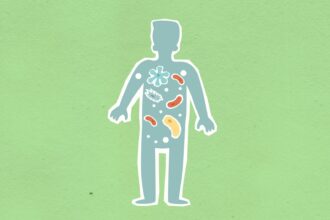
Three Critical Facts About Your Gut Microbiome’s Impact on Health

By
Prof. Giorgi Pkhakadze
24/06/2026
Global HealthPolicy & Systems

6.1-magnitude earthquake strikes Afghanistan; 140,000 at moderate risk intensity

By
Prof. Giorgi Pkhakadze
27/06/2026
Global HealthPolicy & Systems

WHO Declares Ebola Public Health Emergency as Virus Crosses DRC-Uganda Border

By
Prof. Giorgi Pkhakadze
31/05/2026

CLUSTER ALERT: Cross-Border Ebola Outbreak – DRC/Uganda

By
Prof. Giorgi Pkhakadze
31/05/2026
Facebook Twitter Youtube Instagram
Company
  • Privacy Policy
  • Contact US
  • GMJ Journal
  • Submit Manuscript
  • Editorial Team
  • Register at GMJ
  • Terms of Use

Subscribe to GMJ News — Click here

Join Community
© 2026 Georgian Medical Journal (GMJ). Published by the Public Health Institute of Georgia (PHIG). All rights reserved.
Welcome Back!

Sign in to your account

Username or Email Address
Password

Lost your password?

Not a member? Sign Up
