By using this site, you agree to the Privacy Policy and Terms of Use.
Accept
GMJ NewsGMJ NewsGMJ News
  • Latest News
    • GMJ Briefs
  • Podcast & Media
    • Podcast Episodes
    • GMJ Audio
    • GMJ Videos
  • Research Digest
    • New Studies
    • Georgian Research
    • Data & Numbers
  • Policy & Systems
    • Health Policy
    • Quality & Safety
    • Migration & Health
    • Global Health
  • Practice
    • Clinical Updates
    • Case Discussions
    • Pharmacy & Prescribing
    • Ingredients A-Z
  • Perspectives
    • Editorial
    • Explainers
    • Voices
    • Letters
  • GMJ Articles
    • Vol. 1 Issue 2 (2026)
    • Vol. 1 Issue 1 (2026)
    • Pre-Launch Articles (2025)
  • Read the Journal →
  • About GMJ News
Notification Show More
Font ResizerAa
GMJ NewsGMJ News
Font ResizerAa
  • Latest News
    • GMJ Briefs
  • Podcast & Media
    • Podcast Episodes
    • GMJ Audio
    • GMJ Videos
  • Research Digest
    • New Studies
    • Georgian Research
    • Data & Numbers
  • Policy & Systems
    • Health Policy
    • Quality & Safety
    • Migration & Health
    • Global Health
  • Practice
    • Clinical Updates
    • Case Discussions
    • Pharmacy & Prescribing
    • Ingredients A-Z
  • Perspectives
    • Editorial
    • Explainers
    • Voices
    • Letters
  • GMJ Articles
    • Vol. 1 Issue 2 (2026)
    • Vol. 1 Issue 1 (2026)
    • Pre-Launch Articles (2025)
  • Read the Journal →
  • About GMJ News
Follow US
GMJ News > GMJ Briefs > Lancet Debate Exposes Critical Gaps in Stroke Neuroprotection Research

Lancet Debate Exposes Critical Gaps in Stroke Neuroprotection Research

GMJ
Last updated: 12/07/2026 10:43
By
Prof. Giorgi Pkhakadze
Share
1 Min Read
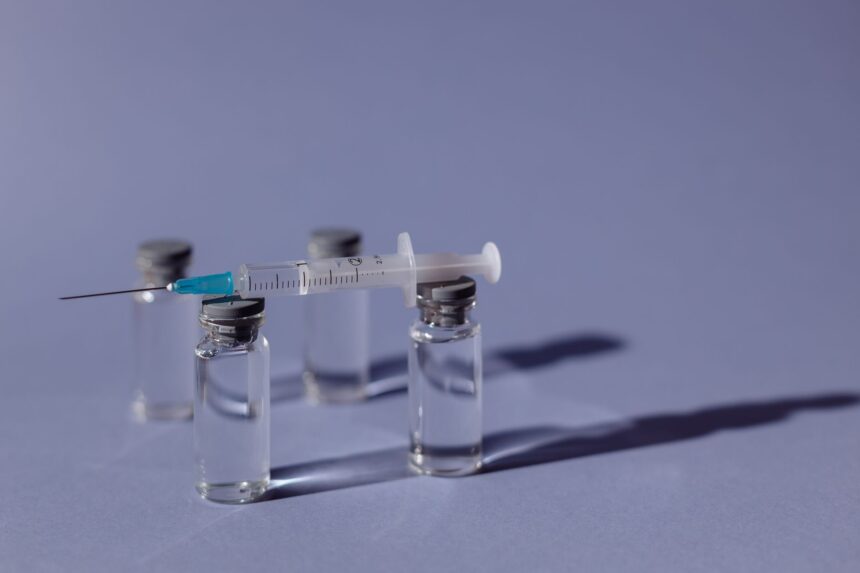
Medical researchers discussing stroke trial methodology and neuroprotection challenges
Scientific debate in The Lancet highlights persistent challenges in stroke neuroprotection research following criticism of the EMPHASIS minocycline trial. Researchers acknowledge limitations in statistical robustness, patient selection, and generalisability affecting clinical translation. — Photo by Thirdman on Pexels (Pexels License)
SHARE
1 min read|132 words

A significant scientific exchange published in The Lancet has brought methodological challenges in neuroprotection research into sharp focus, following formal responses to the EMPHASIS trial investigating minocycline as an acute stroke intervention. The debate between trial authors and independent researchers reveals fundamental limitations affecting how we evaluate neuroprotective therapies.

Emphasis trial investigators have acknowledged concerns regarding statistical robustness, patient selection criteria, and the generalisability of their findings. These admissions highlight a broader recognition within the stroke research community that translating promising preclinical discoveries into effective clinical treatments remains extraordinarily complex.

The correspondence underscores that successful future neuroprotection trials will require more rigorous methodological approaches and careful consideration of how background therapy variations influence outcomes. This debate serves as an important learning opportunity for the field.

Read the full article on GMJ Newsroom.

Submit Your Paper
GMJ_Submit_Banner

Was this article helpful?

GMJ Brief · Announcement

📰 Read the full article: Minocycline Stroke Trial Debate Highlights Neuroprotection Research Challenges →

Related reference
  • Minocycline · Drug
  • Stroke · Condition
Share This Article
Facebook LinkedIn Bluesky Copy Link Print
GMJ
ByProf. Giorgi Pkhakadze
Follow:
Prof. Giorgi Pkhakadze, MD, MPH, PhD, is Editor-in-Chief of the Georgian Medical Journal and Chair of the Public Health Institute of Georgia (PHIG). He is Professor and Head of the Department of Social and Behavioural Sciences at David Tvildiani Medical University, and Secretary/Treasurer of the UEMS Section of Public Health. ORCID: 0000-0001-7609-4515.

Submit Your Paper →

Georgia's peer-reviewed open-access medical journal. No APC until January 2027.
Submit Manuscript →
Why Nutrients Work Better Together: How Coordinated Inputs Reshape Brain Synapses

New neuroscience research reveals that synapses respond more robustly to coordinated nutrient…

L-Theanine Improves Task Accuracy Without Expected Brain Wave Changes, Research Shows

L-theanine marketing claims about alpha brain wave enhancement lack experimental support in…

Astrocytes Reshape Understanding of Brain Control: Beyond Neurons to Cellular Regulation

Astrocytes, comprising roughly 50% of brain cells, are now recognised as active…

Submit Your Paper to GMJ

No APC until January 2027.
Submit Manuscript →

You Might Also Like

Medical chart showing STI prevalence rates among HIV-positive patients in China

Landmark 14-Year Study Exposes Critical Gaps in HIV Care Integration

By
Prof. Giorgi Pkhakadze
31/05/2026
Illustration of strength training exercise with brain neural networks overlay

Strength Training Reverses Brain Aging at the Neural Level, New Trial Reveals

By
Prof. Giorgi Pkhakadze
30/07/2026
Children laughing during therapeutic play session showing brain development benefits

Three Critical Mechanisms: How Laughter Therapy Supports Child Brain Development

By
Prof. Giorgi Pkhakadze
28/06/2026
Global HealthPolicy & Systems

WHO Declares International Emergency as Ebola Outbreak Spreads from DRC to Uganda

By
Prof. Giorgi Pkhakadze
31/05/2026
Facebook Twitter Youtube Instagram
Company
  • Privacy Policy
  • Contact US
  • GMJ Journal
  • Submit Manuscript
  • Editorial Team
  • Register at GMJ
  • Terms of Use

Subscribe to GMJ News — Click here

Join Community
© 2026 Georgian Medical Journal (GMJ). Published by the Public Health Institute of Georgia (PHIG). All rights reserved.
Welcome Back!

Sign in to your account

Username or Email Address
Password

Lost your password?

Not a member? Sign Up