By using this site, you agree to the Privacy Policy and Terms of Use.
Accept
GMJ NewsGMJ NewsGMJ News
  • Latest News
    • GMJ Briefs
  • Podcast & Media
    • Podcast Episodes
    • GMJ Audio
    • GMJ Videos
  • Research Digest
    • New Studies
    • Georgian Research
    • Data & Numbers
  • Policy & Systems
    • Health Policy
    • Quality & Safety
    • Migration & Health
    • Global Health
  • Practice
    • Clinical Updates
    • Case Discussions
    • Pharmacy & Prescribing
    • Ingredients A-Z
  • Perspectives
    • Editorial
    • Explainers
    • Voices
    • Letters
  • GMJ Articles
    • Vol. 1 Issue 2 (2026)
    • Vol. 1 Issue 1 (2026)
    • Pre-Launch Articles (2025)
  • Read the Journal →
  • About GMJ News
Notification Show More
Font ResizerAa
GMJ NewsGMJ News
Font ResizerAa
  • Latest News
    • GMJ Briefs
  • Podcast & Media
    • Podcast Episodes
    • GMJ Audio
    • GMJ Videos
  • Research Digest
    • New Studies
    • Georgian Research
    • Data & Numbers
  • Policy & Systems
    • Health Policy
    • Quality & Safety
    • Migration & Health
    • Global Health
  • Practice
    • Clinical Updates
    • Case Discussions
    • Pharmacy & Prescribing
    • Ingredients A-Z
  • Perspectives
    • Editorial
    • Explainers
    • Voices
    • Letters
  • GMJ Articles
    • Vol. 1 Issue 2 (2026)
    • Vol. 1 Issue 1 (2026)
    • Pre-Launch Articles (2025)
  • Read the Journal →
  • About GMJ News
Follow US
GMJ News > GMJ Briefs > Combination Bidi and Other Tobacco Use Poses Highest Cancer Risk, Study Shows

Combination Bidi and Other Tobacco Use Poses Highest Cancer Risk, Study Shows

GMJ
Last updated: 23/07/2026 04:36
By
Prof. Giorgi Pkhakadze
Share
1 Min Read
Cancer risk comparison across tobacco product categories in Indian multicentre study
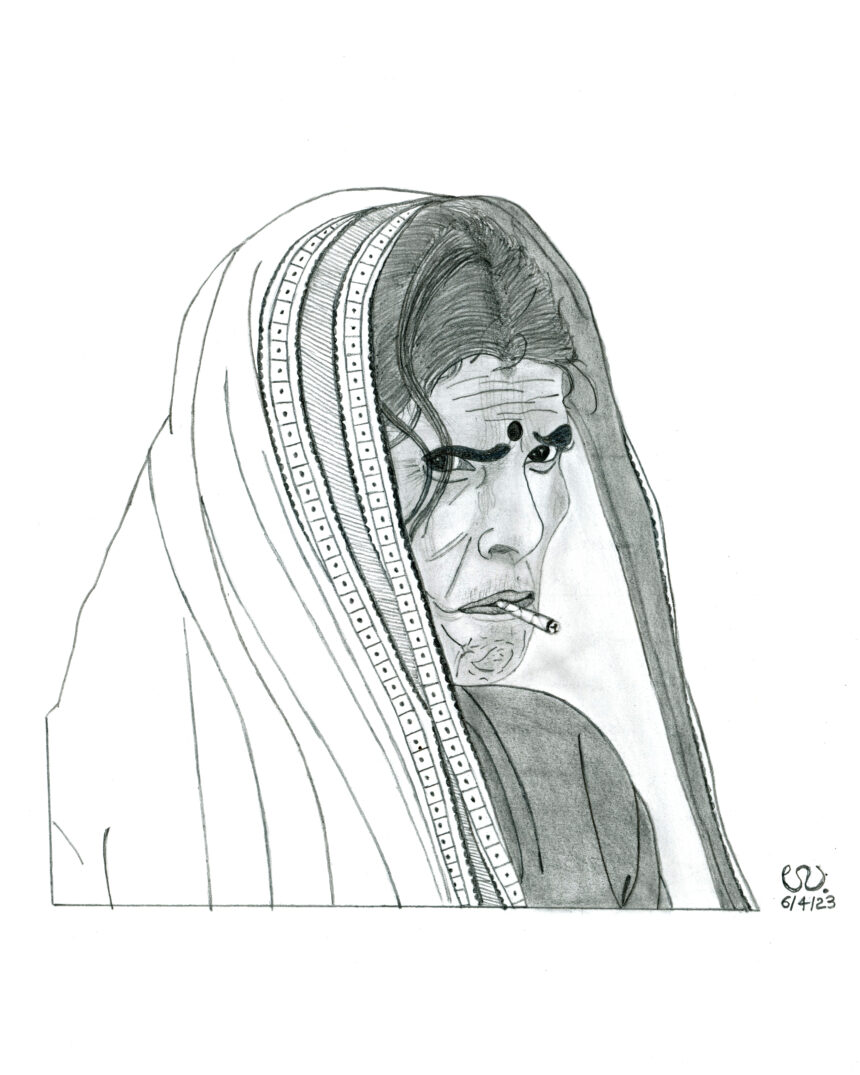
A multicentre case-control study in India links bidi smoking—hand-rolled cigarettes common in South Asia—to elevated cancer risk across multiple sites. The findings call for stronger bidi regulation and targeted tobacco cessation programmes. — "A woman smoking a bidi" by HealthHistoryArt is licensed under CC BY-SA 4.0. To view a copy of this license, visit https://creativecommons.org/licenses/by-sa/4.0/. (CC BY-SA 4.0)
SHARE
1 min read|135 words

A multicentre case-control study from India reveals striking disparities in cancer risk across different tobacco-use patterns. The research, published in The Lancet Regional Health – Southeast Asia, demonstrates that combined bidi smoking with other tobacco products carries the highest cancer risk profile, followed by bidi smoking alone, with other tobacco products showing elevated but comparatively lower associations.

These risk stratifications provide critical epidemiological evidence for public health decision-makers. The data suggests that individuals engaging in poly-tobacco use—particularly those combining bidis with additional tobacco products—face substantially heightened cancer burden. Current regulatory frameworks in South Asia inadequately address these compound risk patterns.

The findings support development of bidi-specific regulation and targeted cessation support programmes tailored to multi-product users, offering an evidence-based pathway for reducing cancer incidence in vulnerable populations.

Read the full article on GMJ Newsroom.

Submit Your Paper
GMJ_Submit_Banner

Was this article helpful?

GMJ Brief · Key Finding

📰 Read the full article: Bidi Smoking Linked to Elevated Cancer Risk in Large Indian Study →

Share This Article
Facebook LinkedIn Bluesky Copy Link Print
GMJ
ByProf. Giorgi Pkhakadze
Follow:
Prof. Giorgi Pkhakadze, MD, MPH, PhD, is Editor-in-Chief of the Georgian Medical Journal and Chair of the Public Health Institute of Georgia (PHIG). He is Professor and Head of the Department of Social and Behavioural Sciences at David Tvildiani Medical University, and Secretary/Treasurer of the UEMS Section of Public Health. ORCID: 0000-0001-7609-4515.

Submit Your Paper →

Georgia's peer-reviewed open-access medical journal. No APC until January 2027.
Submit Manuscript →
Close Contact Alone May Not Drive Influenza Transmission, Controlled Study Suggests

A controlled human challenge–transmission study found that prolonged close contact with influenza-infected…

Carbohydrate Ingestion During Endurance Exercise: Meta-Analysis Shows Modest Glycogen Sparing Effect

A meta-analysis of 31 crossover trials reveals that carbohydrate ingestion during prolonged…

Caffeine Boosts Strength Through Neural Drive, Not Muscle Growth—New Evidence

A randomized controlled trial shows caffeine enhances strength and power in resistance-trained…

Submit Your Paper to GMJ

No APC until January 2027.
Submit Manuscript →

You Might Also Like

Medical practice closure statistics showing rural hospital and clinic impacts on healthcare access

One in Four Rural Hospitals Shuttered: New Data Confirms Healthcare Access Emergency

By
Prof. Giorgi Pkhakadze
02/07/2026
Laboratory researcher examining fungal cultures with agricultural chemicals in background

High Mortality Alert: Agricultural Fungicides May Precede Hospital Infections with >50% Fatality Rates

By
Prof. Giorgi Pkhakadze
27/06/2026
Rural healthcare facility with digital health monitoring equipment

Three Essential Shifts in Rural Health Research: What Clinicians Need to Know

By
Prof. Giorgi Pkhakadze
30/06/2026
Chart showing extraction kinetics of caffeine, catechins, and tannins across 5-minute tea steeping period

Steeping Duration Fundamentally Alters Tea’s Chemical Profile, Research Shows

By
Prof. Giorgi Pkhakadze
22/07/2026
Facebook Twitter Youtube Instagram
Company
  • Privacy Policy
  • Contact US
  • GMJ Journal
  • Submit Manuscript
  • Editorial Team
  • Register at GMJ
  • Terms of Use

Subscribe to GMJ News — Click here

Join Community
© 2026 Georgian Medical Journal (GMJ). Published by the Public Health Institute of Georgia (PHIG). All rights reserved.
Welcome Back!

Sign in to your account

Username or Email Address
Password

Lost your password?

Not a member? Sign Up