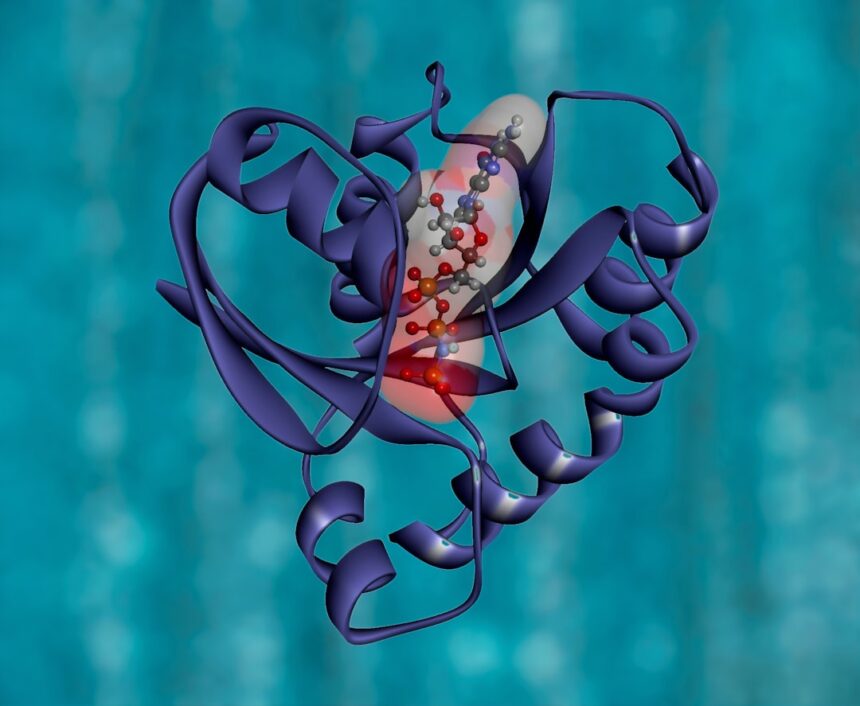
Recent findings from Scripps Research provide three essential takeaways for understanding Alzheimer’s disease mechanisms. First, STING protein modifications function as a molecular switch that drives persistent brain inflammation, explaining why inflammatory markers remain elevated throughout disease progression. Second, this chronic activation of brain immune cells creates a destructive cycle that damages synaptic connections critical for memory and cognition. Third, and most significantly, this discovery opens entirely new therapeutic avenues targeting neuroinflammation rather than relying solely on amyloid-beta reduction strategies. These insights suggest that future Alzheimer’s treatments may focus on modulating STING protein modifications to restore normal immune function and prevent synaptic damage. For clinicians and researchers, this work highlights the importance of developing anti-inflammatory strategies as complementary approaches to conventional disease-modifying therapies.
Was this article helpful?