Updated 13/09/2026
🟡 Preliminary Evidence
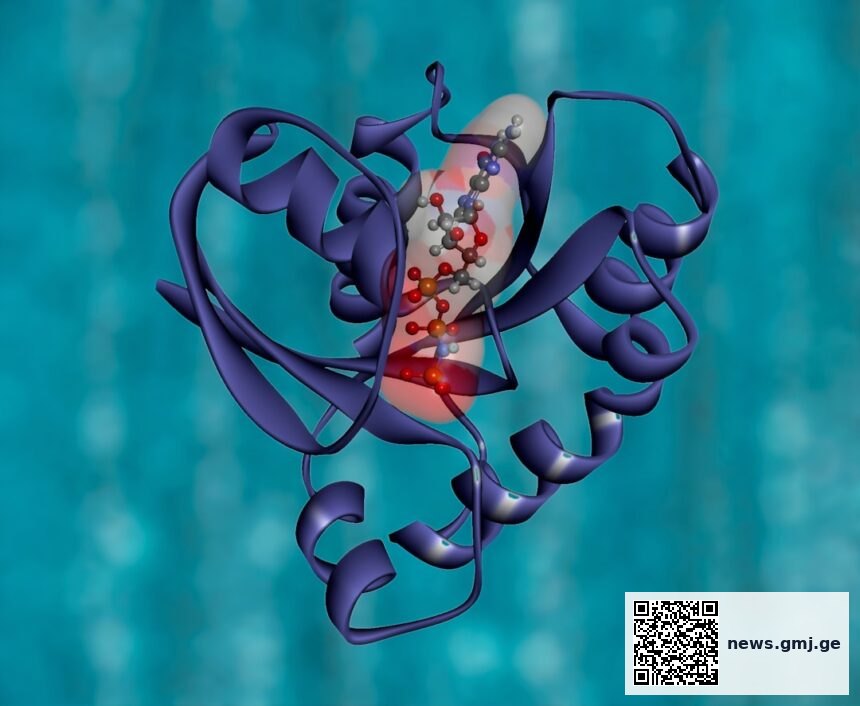
Scientists at Scripps Research have identified a molecular “switch” that drives the chronic brain inflammation characteristic of Alzheimer’s disease. The researchers discovered that a protein called STING (Stimulator of Interferon Genes) becomes chemically modified in ways that trap the brain’s immune system in a destructive inflammatory state.
Key takeaways
- STING protein modifications create persistent brain inflammation in Alzheimer’s disease
- The molecular switch keeps brain immune cells stuck in overdrive, damaging nerve connections
- Discovery could lead to new therapeutic targets for slowing Alzheimer’s progression
Study at a Glance
| Source | Scripps Research findings |
| Study type | Molecular biology research |
| Focus | STING protein modifications |
| Population | Alzheimer’s disease models |
| Institution | Scripps Research Institute |
Brain Inflammation Process in Alzheimer’s Disease
Key molecular players in neuroinflammatory cascade

Source: Scripps Research, 2026 | Georgian Medical Journal News
STING Protein Modifications Drive Persistent Inflammation
The Scripps Research team found that the STING protein undergoes specific chemical modifications that fundamentally alter its function in Alzheimer’s disease. Rather than providing appropriate immune responses, the modified STING keeps brain immune cells called microglia in a state of chronic activation.
This persistent inflammatory state appears to damage synaptic connections between neurons, which are crucial for memory and cognitive function. The research suggests that targeting these STING modifications could offer new approaches for treating neurodegenerative diseases.
Brain Immune System Stuck in Overdrive
The study reveals how the brain’s immune system becomes trapped in a destructive cycle. When STING proteins are chemically altered, they send continuous danger signals to microglia, preventing these immune cells from returning to their normal, protective state.
This finding helps explain why brain inflammation persists throughout Alzheimer’s disease progression, even in the absence of active infection or injury. The research provides new insights into the molecular basis of neuroinflammation and its role in cognitive decline.
Implications for Therapeutic Development
The identification of STING as a key inflammatory switch opens new avenues for drug development. Researchers suggest that compounds designed to reverse or prevent these protein modifications could help restore normal immune function in the brain.
Current Alzheimer’s treatments focus primarily on amyloid plaques and tau tangles, but this research highlights the importance of addressing chronic inflammation. The findings complement ongoing research into anti-inflammatory approaches for neurodegenerative diseases.
Next Steps in Research
The Scripps Research team is now working to develop compounds that can specifically target the modified STING proteins while preserving normal immune functions. This represents a challenging but potentially transformative approach to treating Alzheimer’s disease.
Future studies will need to validate these findings in human brain tissue and test potential therapeutic interventions in clinical trials. The research also raises questions about whether similar mechanisms operate in other neurodegenerative conditions characterized by chronic inflammation.
STING protein modifications create a molecular switch that traps brain immune cells in a destructive inflammatory state, damaging nerve connections crucial for memory and cognition.
— Scripps Research Team (2026 findings)
What this means
Frequently asked questions
What is the STING protein and why is it important?
STING (Stimulator of Interferon Genes) is a protein that normally helps coordinate immune responses. In Alzheimer’s disease, chemical modifications to STING create a molecular switch that keeps brain inflammation active.
How does this discovery differ from current Alzheimer’s research?
Most current research focuses on amyloid plaques and tau tangles. This study reveals how chronic brain inflammation develops and persists, offering a new target for potential treatments.
Could this lead to new Alzheimer’s treatments?
The research opens new possibilities for drugs that could restore normal immune function in the brain by targeting STING modifications, though clinical development will require years of additional research.
The discovery of STING protein modifications as drivers of Alzheimer’s brain inflammation represents a significant advance in understanding disease mechanisms. As researchers work to translate these findings into therapeutic interventions, this molecular switch could become a key target for preserving cognitive function and slowing disease progression.
Source: Scientists found the hidden switch fueling alzheimer’s brain inflammation
🗺️ Find certified Georgian healthcare providers: sheniekimi.ge — Georgia Health Map · 998 clinics · 6,600+ doctors · 2,296 pharmacies
Was this article helpful?
Disclaimer. This article is health journalism intended for general information and education. It is not medical advice and is not a substitute for professional diagnosis or treatment. Always consult a qualified healthcare provider about your individual circumstances. Full disclaimer →
Related Coverage




Editorial standards. This article was produced under the GMJ News editorial process, with oversight by the GMJ Editorial Board. Our editorial process. Spotted an error? Contact the editorial team.