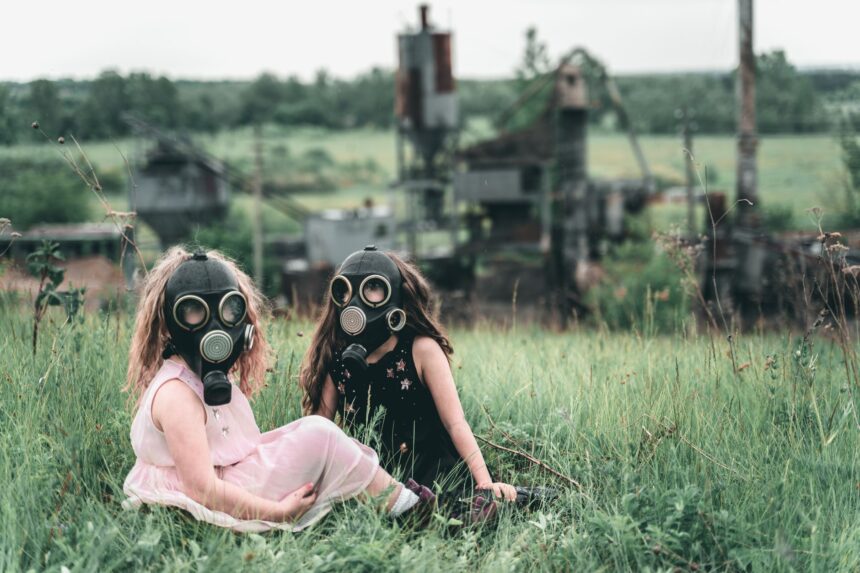
UNICEF’s June 2026 assessment identifies over 1 billion children exposed to multiple overlapping climate hazards, concentrated predominantly in low- and middle-income regions with limited adaptation capacity. For healthcare practitioners and policymakers, three critical implications emerge: first, children in vulnerable populations face amplified health risks from simultaneous climate stressors that exceed single-hazard impacts. Second, exposure is geographically unequal, with sub-Saharan Africa, South Asia, and island nations experiencing the heaviest burden. Third, health systems must integrate climate resilience directly into routine pediatric care protocols and broader policy frameworks.
Strengthening climate adaptation capacity requires multisectoral approaches that address water security, air quality, heat-responsive infrastructure, and disease surveillance alongside clinical preparedness. Health systems must develop screening protocols for multi-hazard exposure and build workforce capacity to recognize and manage compounded climate health impacts in vulnerable pediatric populations.
Read the full article on GMJ Newsroom.
Was this article helpful?